Table of contents
In the shadowy corners of the global economy, a sinister trade flourishes, pushing countless species to the brink of extinction and destabilizing ecosystems. This is the world of wildlife trafficking, a multi-billion dollar illicit industry ranked among the most profitable forms of transnational organized crime, alongside drugs, arms, and human trafficking. Yet, standing against this tide of destruction are the unsung heroes and sophisticated strategies of wildlife trafficking bust operations. These are not mere police raids; they are complex, international endeavors combining cutting-edge technology, old-fashioned detective work, and unprecedented global cooperation. This deep dive explores the intricate world of these bust operations, from the intelligence that sparks them to the courtroom battles that conclude them, revealing a relentless global effort to protect our planet’s irreplaceable biodiversity.
The Staggering Scale and Impact of the Illicit Wildlife Trade
Before understanding the solution, one must grasp the immense scale of the problem. Wildlife trafficking is not a minor environmental issue; it is a pervasive crisis with far-reaching consequences.
A. The Economic Value and Criminal Networks
The illegal wildlife trade is estimated to be worth between $7 billion and $23 billion annually. This vast revenue stream fuels sophisticated criminal syndicates that are often diversified, using the same routes and methods to traffic drugs, weapons, and people. The low risk of detection and high profitability make it an attractive enterprise for organized crime, corrupting government officials and undermining the rule of law in vulnerable nations.
B. The Devastating Ecological Consequences
The ecological impact is catastrophic. Iconic species like elephants, rhinos, tigers, and pangolins are hunted at unsustainable rates. The slaughter of a single African elephant for its tusks disrupts social herd structures. The poaching of a rhino for its horn, which is made of keratin—the same substance as human fingernails—pushes the species closer to oblivion. This “defaunation” creates empty forests and silent oceans, disrupting pollination, seed dispersal, and the delicate balance of food webs, ultimately compromising the resilience of entire ecosystems.
C. The Human Cost and Threat to Security
The repercussions extend far beyond wildlife. Park rangers risk and often lose their lives in violent confrontations with well-armed poachers. The trade also facilitates the spread of zoonotic diseases, as the unregulated handling and transport of wild animals can introduce pathogens like Ebola, SARS, and potentially novel viruses into human populations. Furthermore, the illicit revenue funds militias and terrorist groups, creating instability and conflict in regions like Central Africa.
The Anatomy of a Wildlife Trafficking Bust: A Multi-Phase Strategy
A successful bust operation is a meticulously planned and executed mission that can take months or even years to come to fruition. It is a multi-stage process involving numerous agencies and tactics.
A. Phase 1: Intelligence Gathering and Analysis – The Foundation of Every Bust
This is the critical first step. Without accurate intelligence, enforcement efforts are blind. This phase involves:
- Field Intelligence: Informants within local communities, undercover agents infiltrating poaching rings, and tips from the public provide the initial leads.
- Financial Intelligence: Following the money trail is paramount. Financial intelligence units track suspicious transactions, money laundering activities, and the flow of capital across borders to identify kingpins.
- Cyber Intelligence: The internet has become a major marketplace for illegal wildlife. Investigators monitor social media platforms, encrypted messaging apps, and dark web forums where traders and buyers connect.
- Forensic Intelligence: DNA analysis of seized ivory, for example, can be used to trace it back to specific elephant populations in Africa, revealing poaching hotspots and trafficking routes.
B. Phase 2: Strategic Planning and Inter-Agency Collaboration
Once a target is identified, a operational plan is drafted. This stage is defined by collaboration. No single agency can tackle wildlife crime alone. A successful operation typically involves:
- National Wildlife Authorities: Agencies like the U.S. Fish and Wildlife Service or Kenya Wildlife Service lead investigations.
- National Police and Customs: They provide the enforcement muscle and control borders.
- International Bodies: INTERPOL and the World Customs Organization (WCO) facilitate cross-border cooperation, sharing intelligence and coordinating simultaneous takedowns in multiple countries.
- Non-Governmental Organizations (NGOs): Groups like the Wildlife Justice Commission and TRAFFIC provide crucial data, technical expertise, and on-the-ground support.
C. Phase 3: The Takedown – Execution of the Operation
This is the most dramatic phase, often depicted in media. It can range from a routine vehicle checkpoint to a large-scale, coordinated international sweep.
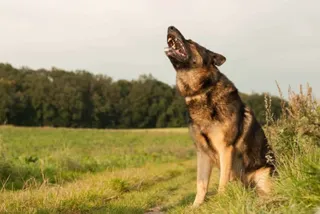
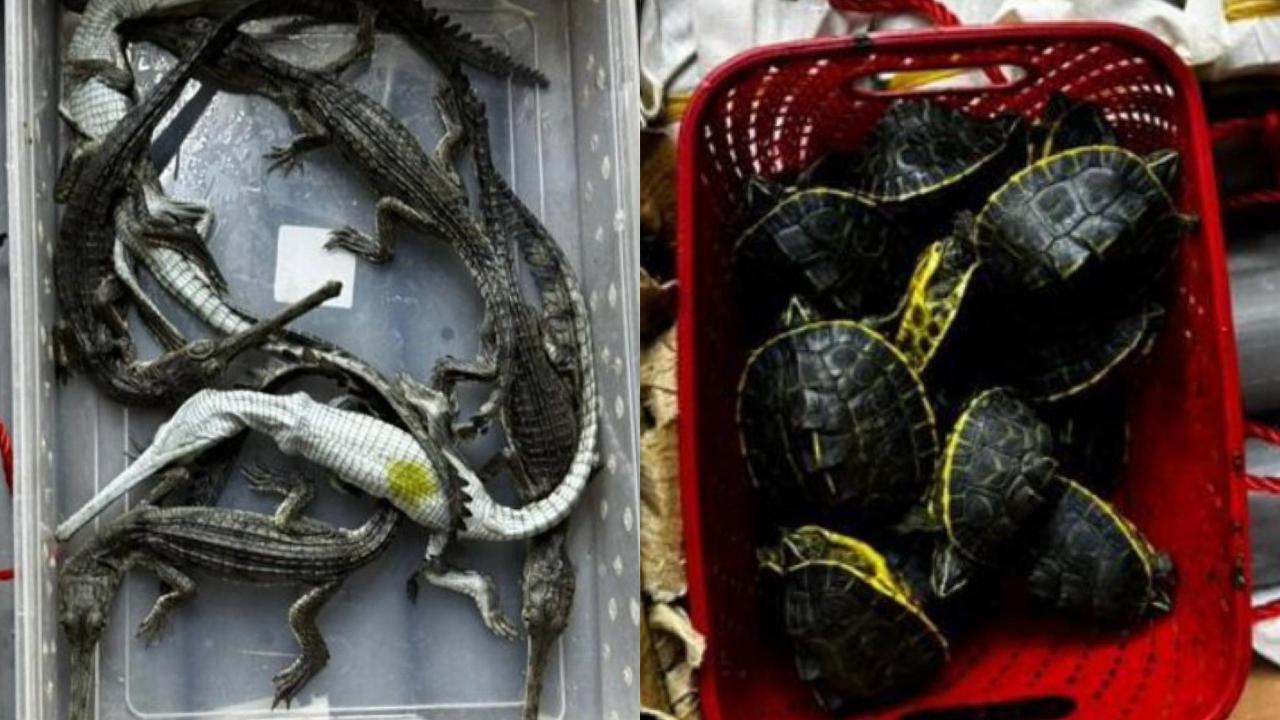
- Interdiction at Borders: Customs officials use risk profiling, X-ray scanners, and sniffer dogs to detect concealed wildlife products in shipping containers, air cargo, and passenger luggage.
- Controlled Deliveries: Mimicking tactics from narcotics enforcement, officers allow a shipment of illegal wildlife goods to proceed under surveillance to identify and arrest the entire chain of recipients, all the way to the top-level dealers.
- Raids and Arrests: Based on warrants, simultaneous raids are conducted on warehouses, homes, and retail outlets, leading to the seizure of evidence and the arrest of suspects.
D. Phase 4: Post-Bust Procedures – Evidence, Prosecution, and Animal Care
The work is not over once the handcuffs are on. This phase is crucial for securing convictions and ensuring animal welfare.
- Evidence Handling and Forensics: Seized items are cataloged, and forensic analysis is conducted to build an irrefutable case for court. This includes DNA testing, isotope analysis to determine geographic origin, and cataloging specimens for the CITES (Convention on International Trade in Endangered Species of Wild Fauna and Flora) database.
- Prosecution and Sentencing: Legal experts work to ensure that strong cases are built, leveraging national laws and international treaties. A major challenge is securing penalties that are severe enough to act as a deterrent, moving beyond small fines to significant prison sentences.
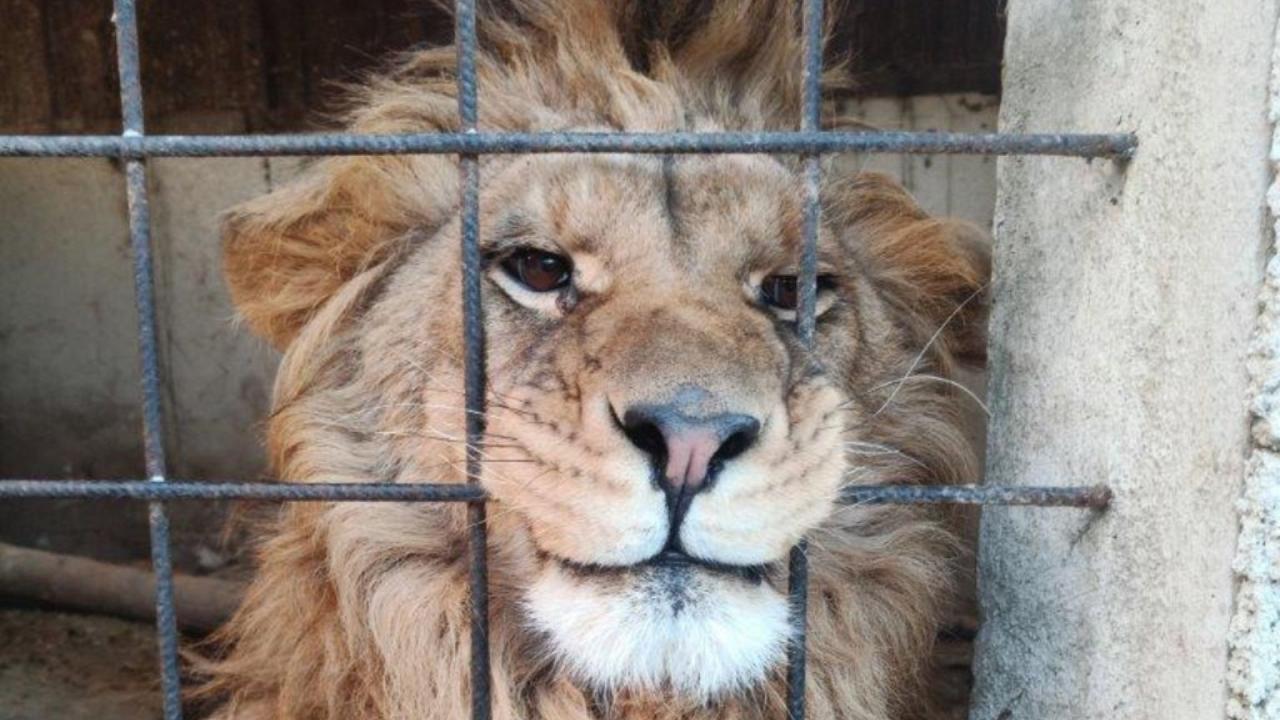
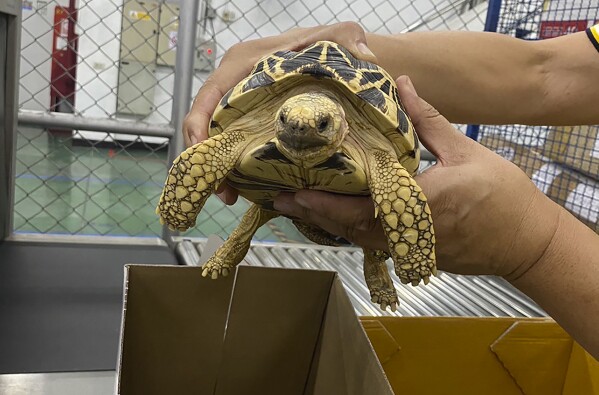
- Animal Rehabilitation: For live seizures, the immediate concern is the welfare of the traumatized animals. They are transported to specialized rescue centers for veterinary care, rehabilitation, and, whenever possible, reintroduction into the wild.
Case Studies in Global Enforcement: From Sting Operations to International Sweeps
Real-world examples illustrate the power and complexity of these coordinated efforts.
A. Operation Thunder: A Yearly International Powerhouse
Coordinated by INTERPOL and the WCO, Operation Thunder is an annual multi-national crackdown that exemplifies global unity. In a recent iteration, the month-long operation involved authorities in 118 countries, resulting in:
- Over 2,000 seizures of wildlife and timber.
- The identification of 1,400 suspects.
- Seizures ranging from live big cats and primates to tons of timber and marine products.
The operation’s success lies in its synchronized, high-profile nature, disrupting trafficking networks simultaneously across the globe and sending a powerful message of zero tolerance.
B. The Takedown of a Rhino Horn Trafficking Syndicate
A multi-year investigation spanning the United States, South Africa, and Southeast Asia targeted a sophisticated syndicate dealing in rhino horn. Using a combination of undercover agents posing as buyers, wiretaps, and financial surveillance, investigators were able to dismantle the entire network, from the poachers in Kruger National Park to the corrupt exporters and the high-level dealers in Asia. This case highlighted the critical importance of patience and international collaboration in targeting the entire criminal chain, not just the low-level operatives.
C. The “Pangolin Princess” Case in Malaysia
This case focused on a notorious wildlife trafficker known for her specialization in pangolins, the world’s most trafficked mammal. After years of evading capture, a multi-agency task force used intelligence from informants and surveillance to track her movements. A well-planned bust led to her arrest and the seizure of hundreds of live and frozen pangolins, along with scales, dealing a significant blow to one of the region’s most active pangolin trafficking rings.
The Arsenal of Tools and Technologies Powering Modern Busts
The fight against wildlife crime is increasingly technological. Enforcement agencies are deploying an impressive array of tools to gain an edge.
A. Forensic Science
- DNA Barcoding: This technique allows scientists to identify species from a tiny tissue sample, even if the animal product has been processed into powder or pills.
- Isotope Analysis: By analyzing the stable isotopes in ivory, horn, or feathers, scientists can pinpoint the geographic region where an animal lived, helping to identify poaching hotspots.
B. Digital and Cyber Tools
- Artificial Intelligence (AI): AI algorithms are being trained to scan thousands of online listings to identify illegal wildlife products for sale on e-commerce and social media platforms.
- Pattern Recognition Software: This software analyzes trade data and shipping manifests to flag high-risk containers for inspection, making border control more efficient.
C. Field and Aerial Technology
- Acoustic Sensors: These hidden sensors can detect the sound of gunshots in protected areas, alerting ranger patrols to potential poaching activity in real-time.
- Thermal Drones: Drones equipped with thermal cameras can patrol vast areas of national parks at night, identifying poachers’ heat signatures without being detected.
- GPS Tracking: Covert GPS devices placed on fake ivory tusks or other decoys can be used to track the movement of shipments directly to the kingpins.
The Immense Challenges and Obstacles to Success
Despite these advanced tools, wildlife trafficking enforcement faces daunting challenges.
A. Corruption and Institutional Weakness
Corruption is the single greatest enabler of wildlife crime. From bribed customs officials who wave through containers to compromised judges who dismiss cases, corruption undermines enforcement at every level, particularly in source and transit countries.
B. Jurisdictional Complexity and Legal Loopholes
Wildlife crime is transnational, but laws are national. Differences in legislation, extradition treaties, and legal capacity between countries can create safe havens for traffickers. Weak laws with lenient penalties also fail to deter criminal networks.
C. Evolving Criminal Tactics
Traffickers are highly adaptable. They constantly change their routes, methods of concealment, and communication channels. The use of encrypted messaging apps and the dark web presents a significant challenge to cyber intelligence efforts.
D. Limited Resources and Funding
Wildlife enforcement agencies are almost universally underfunded and understaffed compared to the well-resourced criminal syndicates they are fighting. This limits the scale and frequency of operations and the ability to conduct long-term, complex investigations.
The Path Forward: Strengthening the Global Defense Network
To turn the tide, a multi-faceted and sustained effort is required, building on current successes and addressing systemic weaknesses.
A. Bolstering International Cooperation and Funding
Increased financial and technical support for international bodies like INTERPOL and the CITES Secretariat is crucial. Donor nations and private foundations must invest more in the capacity-building of enforcement agencies in developing countries, which are often the front lines of this war.
B. Applying Anti-Money Laundering (AML) Frameworks
Treating wildlife crime as a serious financial crime is a game-changer. By aggressively pursuing asset forfeiture, freezing accounts, and prosecuting traffickers for money laundering, governments can hit them where it hurts most—their profits.
C. Community-Based Conservation and Demand Reduction
Long-term success is impossible without addressing the root causes. This includes:
- Providing Alternative Livelihoods: Empowering local communities with sustainable economic opportunities reduces the incentive to engage in poaching.
- Demand Reduction Campaigns: Targeted social marketing and behavior change campaigns in consumer countries, particularly in East Asia, are essential to reduce the desire for ivory, rhino horn, and other wildlife products.
D. Individual Action and Public Vigilance
Every individual can play a part in this global fight.
- Be an Informed Consumer: Never purchase souvenirs made from endangered species, such as ivory, tortoiseshell, or coral.
- Report Suspicious Activity: If you see wildlife products for sale online or in a store, report it to the authorities or to NGOs like TRAFFIC.
- Support Legitimate Conservation Organizations: Donate to or volunteer with groups that are on the front lines of protection, enforcement, and advocacy.
Conclusion: A Battle for Our Natural Heritage
Wildlife trafficking bust operations represent the sharp end of the spear in the defense of global biodiversity. They are complex, dangerous, and vital missions that blend human courage with technological innovation. While the challenges are immense, the successes of operations like Thunder and the relentless pursuit of trafficking kingpins prove that progress is possible. The fight is not just about saving elephants, rhinos, or pangolins; it is about preserving the health of our planet, stabilizing nations, and upholding the rule of law. It is a battle for our shared natural heritage, and its outcome depends on the unwavering commitment of the global community to support these heroic efforts, ensuring that the war on wildlife crime is one we ultimately win.