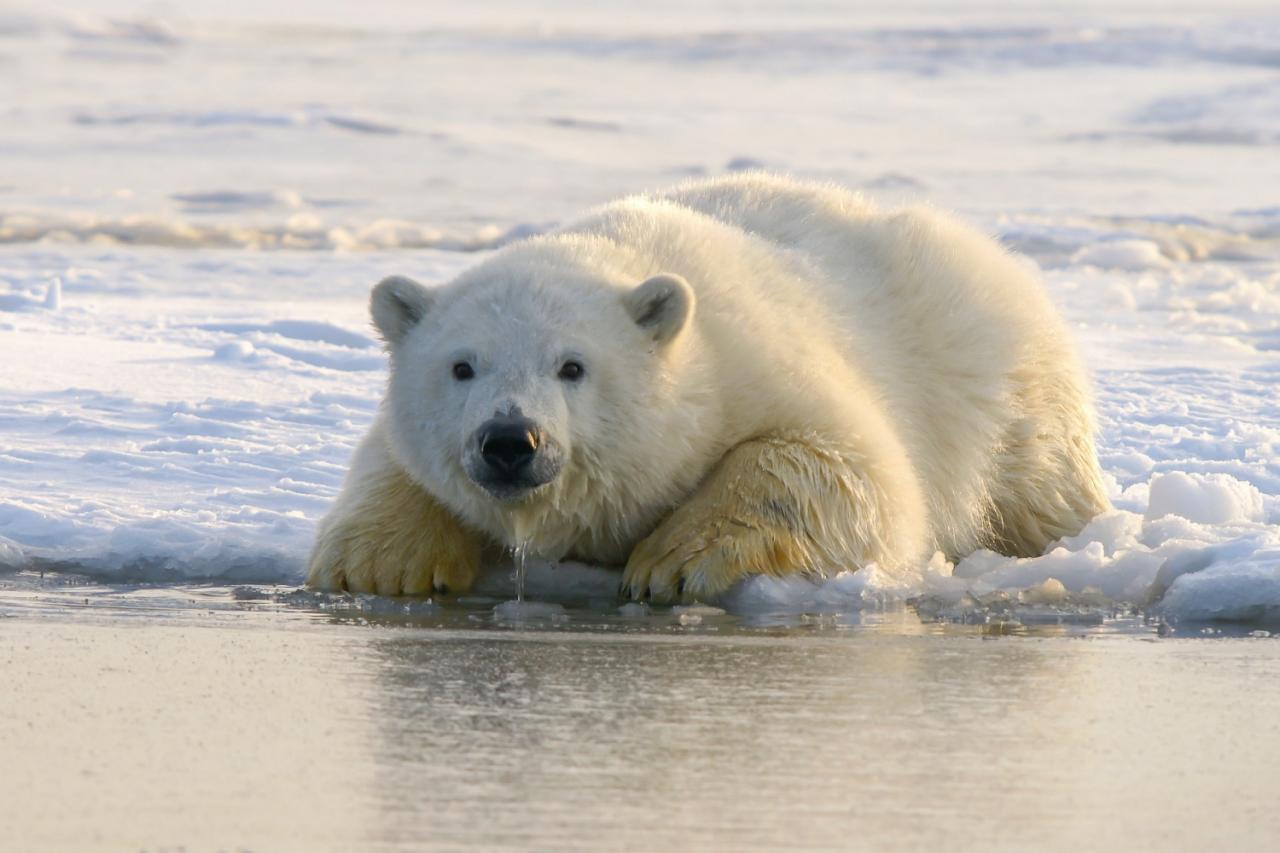
The image of a solitary polar bear (Ursus maritimus) traversing a vast, white landscape is an enduring symbol of the pristine and untamed Arctic. For decades, this majestic creature has been the quintessential face of the frozen north, embodying strength, resilience, and the raw beauty of a world seemingly untouched by humanity. However, this powerful icon is now transforming into a different kind of symbol a poignant and urgent warning signal for the health of our planet. The polar bear has become the proverbial “canary in the coal mine” for the escalating climate crisis, and its future is hanging in a precarious balance. The primary threat driving this iconic species towards the brink of extinction is the rapid and unprecedented loss of its sea-ice habitat, a direct consequence of human-induced global warming. This article delves deep into the multifaceted crisis facing polar bears, exploring the intricate link between sea ice and their survival, the cascading effects of its disappearance, the grim future projections, and the complex conservation efforts underway to save them.
A. The Fundamental Link: Sea Ice as the Polar Bear’s Lifeblood
To comprehend the existential threat climate change poses to polar bears, one must first understand their profound and inextricable connection to the Arctic sea ice. It is not merely a part of their environment; it is the very foundation of their existence, their hunting platform, their breeding ground, and their migratory highway.
A.1. Specialized Predators of the Ice
Polar bears are supremely adapted hypercarnivores, meaning the vast majority of their diet consists of meat. Their primary prey are ice-dependent seals, particularly ringed and bearded seals. These seals provide the dense, high-calorie fat essential for polar bears to build and maintain the immense energy reserves needed to survive in the harsh Arctic environment. The hunting strategy of the polar bear is a masterclass in patience and power, and it is entirely dependent on the sea ice.
- Still-Hunting: This is the most common and energy-efficient method. A polar bear will locate a seal’s breathing hole in the ice, maintain a silent and motionless vigil for hours or even days, and then use its immense power to explosively lunge forward and snatch the seal when it surfaces to breathe.
- Stalking: Bears will also stalk seals that are hauled out on the ice to rest or give birth. They use the uneven pressure ridges of the ice for cover, slowly creeping close enough for a short, decisive charge.
Without a stable platform of sea ice, these highly specialized hunting techniques become impossible. Open water does not offer the same opportunities, and polar bears are inefficient swimmers when it comes to catching agile, aquatic seals.
A.2. The Critical Role of Sea Ice for Energy Balance
The Arctic is characterized by extreme seasonal feasts and famines. Polar bears undergo a period of intensive feeding during the late spring and early summer when seal pups are abundant and vulnerable. This is when they accumulate the fat stores that are absolutely critical for surviving the leaner months.
Sea ice serves as the platform that allows them access to this rich food source. The timing of sea ice formation and breakup is therefore not just a meteorological event; it is the clock that governs the polar bear’s annual cycle of survival. A shorter feeding season, caused by earlier ice breakup and later formation, directly translates to less time to build fat reserves and a longer period of forced fasting. This energy deficit has severe consequences for the bears’ health, reproduction, and ultimately, their survival rates.
B. The Devastating Impacts of a Warming Arctic
The Arctic is warming at a rate two to four times faster than the global average, a phenomenon known as Arctic Amplification. This accelerated warming is triggering a catastrophic decline in both the extent and the thickness of the Arctic sea ice.
B.1. The Shrinking Platform: Declining Sea Ice Extent and Thickness
Satellite data has meticulously documented a dramatic and consistent downward trend in Arctic sea ice extent since the late 1970s. The summer minimum ice extent, recorded each September, has shrunk by over 40%. But it’s not just the area that’s diminishing; the character of the ice is also changing.
- Loss of Multi-Year Ice: Historically, a significant portion of the Arctic Ocean was covered by thick, resilient multi-year ice—ice that has survived multiple summer melt seasons. This old ice is being rapidly replaced by younger, thinner, first-year ice. First-year ice is more susceptible to melting, breaks up more easily, and forms later in the autumn, creating a less stable and more hazardous environment for the bears.
- Earlier Breakup and Later Freeze-Up: The seasonal rhythm of the ice is being disrupted. The ice is breaking up earlier in the spring and forming later in the autumn. This directly shortens the critical hunting season for polar bears, forcing them to retreat to land for longer periods where food sources are scarce and inadequate to sustain their massive bodies.
B.2. The Cascading Consequences for Polar Bear Populations
The loss of their sea-ice habitat is not a future threat; it is a present-day reality with observable and measurable consequences for polar bear populations across the Arctic. Scientists have identified several key impacts:
- Declining Body Condition: Across multiple subpopulations, polar bears are showing signs of nutritional stress. They are thinner, have lower body fat, and smaller skull sizes (a key indicator of overall health and development) compared to bears from a few decades ago.
- Reduced Reproductive Success: Malnourished females have a harder time conceiving and carrying cubs to term. Even if they do give birth, they produce smaller litters, and the cubs have lower survival rates. A mother bear in poor condition cannot produce sufficient, nutrient-rich milk to sustain her offspring during the critical denning period and beyond.
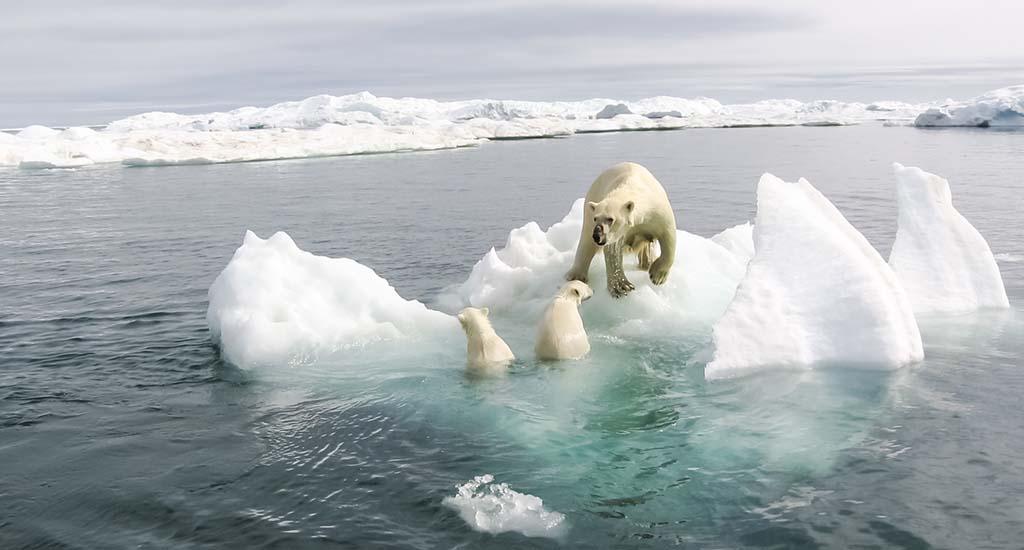
- Increased Cub Mortality: Cubs are the most vulnerable members of the population. They require a long period of maternal care and teaching to learn how to survive on the ice. Longer fasting periods on land, coupled with the increased dangers of swimming long distances in open water, lead to significantly higher cub mortality rates.
- Increased Human-Bear Conflicts: As bears are forced to spend more time on land, away from their natural prey, they are increasingly drawn to human settlements in search of food. They scavenge at garbage dumps, break into storage facilities, and approach communities. This leads to dangerous encounters, property damage, and often results in bears being killed in defense of life or property.
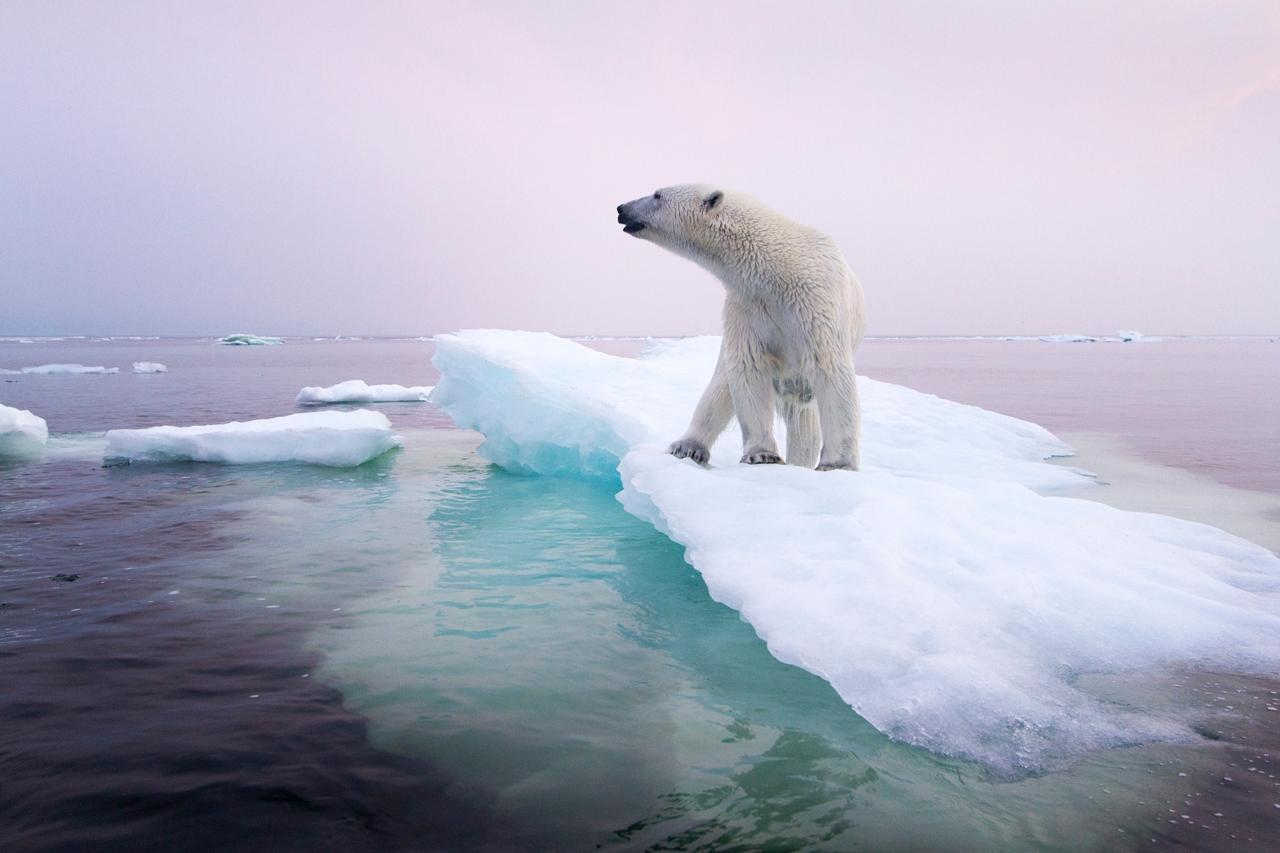
- Longer and More Dangerous Swims: With larger expanses of open water between remnant ice floes, polar bears are compelled to undertake epic swims in search of food, mates, or suitable habitat. These marathon swims are energetically costly and can be deadly, especially for young cubs who are more susceptible to hypothermia and drowning. Researchers have documented swims exceeding 400 miles, a testament to their desperation and the fragmentation of their world.
- Starvation and Cannibalism: Tragically, there are increasing reports of polar bears starving to death. Furthermore, incidents of cannibalism typically large males preying on smaller bears or cubs are being observed more frequently. While cannibalism is a rare, natural behavior, its increase is a strong indicator of extreme nutritional stress within the population.
C. Scientific Projections: A Grim Future for Ursus Maritimus
The scientific community has used sophisticated climate models and population data to forecast the fate of polar bears under various greenhouse gas emission scenarios. The conclusions are stark and sobering.
- High Emissions Scenario (Business as Usual): If global greenhouse gas emissions continue to rise unabated, models predict a high probability of devastating declines. It is projected that by mid-century, we could witness a loss of up to two-thirds of the world’s polar bear population. By 2100, polar bears could be functionally extinct across most of their range, surviving only in a few small, fragmented pockets in the high Canadian Arctic and around Greenland.
- Moderate Emissions Scenario: Even if the world manages to significantly reduce emissions in line with international agreements like the Paris Accord, substantial population declines are still likely. However, this scenario offers a glimmer of hope. It could stabilize some populations and prevent a total collapse, buying crucial time for long-term adaptation and conservation.
The overarching message from these models is clear: the long-term survival of the polar bear is directly tied to the future of Arctic sea ice, which is itself determined by humanity’s success in mitigating climate change.
D. Beyond Sea Ice: Compounding Threats in a Changing Arctic
While climate change and sea ice loss are the primary and overarching threats, they are exacerbating other existing pressures on polar bears, creating a perfect storm of challenges.
D.1. Pollution and Toxins
The Arctic acts as a global “sink” for persistent organic pollutants (POPs) and heavy metals. These toxic substances are carried north by atmospheric and oceanic currents from industrial and agricultural regions thousands of miles away. They bioaccumulate in the food web, reaching their highest concentrations in top predators like polar bears. High levels of contaminants can weaken their immune systems, impair their reproductive capabilities, and cause developmental problems in cubs.
D.2. Increased Industrial Activity
As the sea ice retreats, it is opening up the Arctic to unprecedented levels of human industrial activity.
- Shipping: The fabled Northwest Passage and Northern Sea Route are becoming navigable for longer periods, leading to a surge in commercial shipping. This increases the risks of oil spills, which would be catastrophic for polar bears. Oil fouls their fur, destroying its insulating properties and leading to hypothermia. Ingesting oil while grooming is also fatal.
- Oil and Gas Exploration: New areas for fossil fuel extraction are being prospected, bringing with them habitat disturbance, noise pollution, and the ever-present risk of a catastrophic blowout.
- Increased Human Footprint: All industrial activity brings more people, more infrastructure, and more potential for disturbing critical denning areas and increasing human-bear conflicts.
D.3. Overharvesting
While regulated subsistence hunting by Indigenous communities has been a sustainable practice for centuries, it must be managed with extreme care in a time of population stress. As bear populations decline, even sustainable harvest levels may need to be re-evaluated to ensure they do not contribute to the species’ downturn. Illegal poaching for trophies and pelts remains a concern in some regions.
E. The Fight for Survival: Conservation Efforts and Complex Challenges
Averting the extinction of the polar bear is one of the most complex conservation challenges of our time. It requires a multi-pronged approach that addresses both the immediate symptoms and the root cause of the problem.
E.1. Global Climate Action: The Ultimate Solution
The single most important action to save polar bears is the rapid and deep reduction of global greenhouse gas emissions. Transitioning from fossil fuels to renewable energy sources, enhancing energy efficiency, and protecting forests are not just environmental goals; they are essential conservation strategies for the Arctic. Every fraction of a degree of warming prevented translates to more sea ice and a better chance for polar bear survival.
E.2. On-the-Ground Conservation and Coexistence
While the global community works on climate mitigation, local and regional efforts are crucial for managing the immediate pressures on bear populations.
- Protecting Critical Habitat: Identifying and legally protecting key areas, such as important denning sites and seasonal feeding hotspots, is vital. This can restrict disruptive industrial activities in these sensitive zones.
- Managing Human-Bear Conflicts: Communities in the Arctic are implementing innovative and non-lethal methods to reduce conflicts. This includes bear-proof garbage containers, electric fences around communities, patrol programs to deter bears from entering towns, and having trained response teams to safely haze or relocate problem bears.
- Indigenous Knowledge and Co-Management: Incorporating the deep, place-based knowledge of Indigenous Arctic peoples is essential for effective conservation. Many management programs now operate on a co-management basis, where scientists and Indigenous communities work together to monitor populations and set sustainable hunting quotas.
E.3. The Controversial Role of Captivity and “Last Resort” Measures
As the situation grows more dire, some have proposed more extreme interventions.
- Supplemental Feeding: The idea of providing food to starving bears on land is logistically daunting, potentially dangerous (conditioning bears to associate humans with food), and does not address the root cause of the problem. It is generally seen as an unsustainable and impractical stopgap.
- Managed Relocation: Translocating bears from struggling populations to more stable ones is fraught with ecological risks, such as introducing new diseases or disrupting the social structure of the recipient population.
- Captive Breeding: While zoos and aquariums play a role in education and research, they do not have the capacity to serve as a genetic “ark” for a species as large and wide-ranging as the polar bear. The goal of conservation must be to preserve the species in its wild, natural ecosystem, not in captivity.
Conclusion: A Symbol at a Crossroads
The plight of the polar bear is a microcosm of the broader biodiversity crisis unfolding in the face of climate change. Their struggle for survival is a direct and undeniable consequence of human activity. The fate of Ursus maritimus is no longer solely written in the genes of the species or the ancient rhythms of the Arctic; it is now being written in the boardrooms of energy companies, the halls of government, and the daily choices of billions of people.
The polar bear stands at a crossroads, and its path forward is inextricably linked to our own. The choices we make today to curb emissions, to protect fragile ecosystems, and to transition to a sustainable future will determine whether this majestic icon of the north continues to roam the sea ice for generations to come, or becomes a ghost in the snow, a tragic reminder of a world we failed to protect. The time for action is not tomorrow; it is now. The survival of the polar bear is a test of our collective will and a measure of our commitment to preserving the natural world.