Table of contents
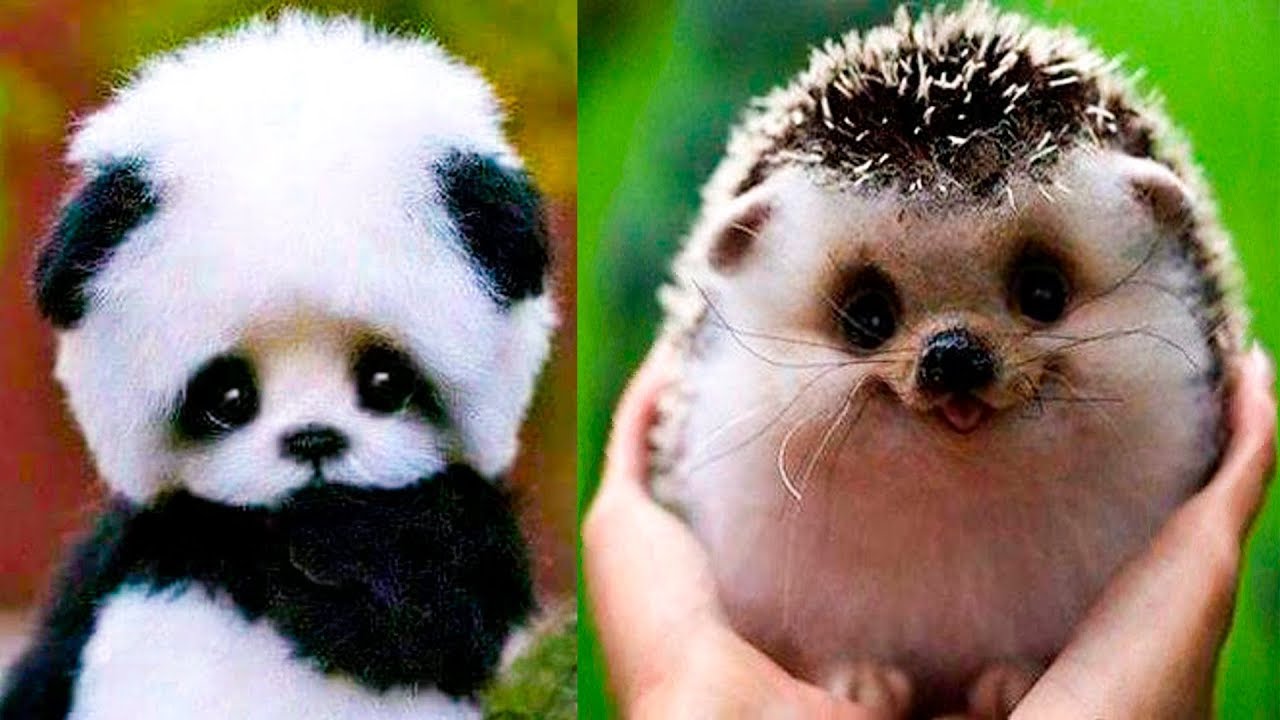
What is it about a fluffy red panda munching on bamboo, or a quokka’s perpetual smile, that universally tugs at our heartstrings? The phenomenon is more than just a subjective feeling; it’s a deeply rooted biological response. Scientists attribute this to the “baby schema” or Kindchenschema, a set of physical features such as a large head, big eyes, a small nose, and chubby cheeks that trigger an innate caregiving response in humans. This evolutionary mechanism ensured we cared for our vulnerable infants, but it has generously spilled over to the animal kingdom.
In this extensive exploration, we will journey across continents and ecosystems to meet the planet’s most endearing inhabitants. This is not merely a compilation; it is a deep dive into the lives, behaviors, and conservation stories of these captivating creatures. We will move beyond the surface-level “aww” to understand the remarkable adaptations and ecological roles that make them truly extraordinary.
A. The Arboreal Acrobats: Masters of the Forest Canopy
High in the misty forests, a world of fluffy and wide-eyed creatures thrives, perfectly adapted to a life among the trees.
A. The Irresistible Charm of the Red Panda
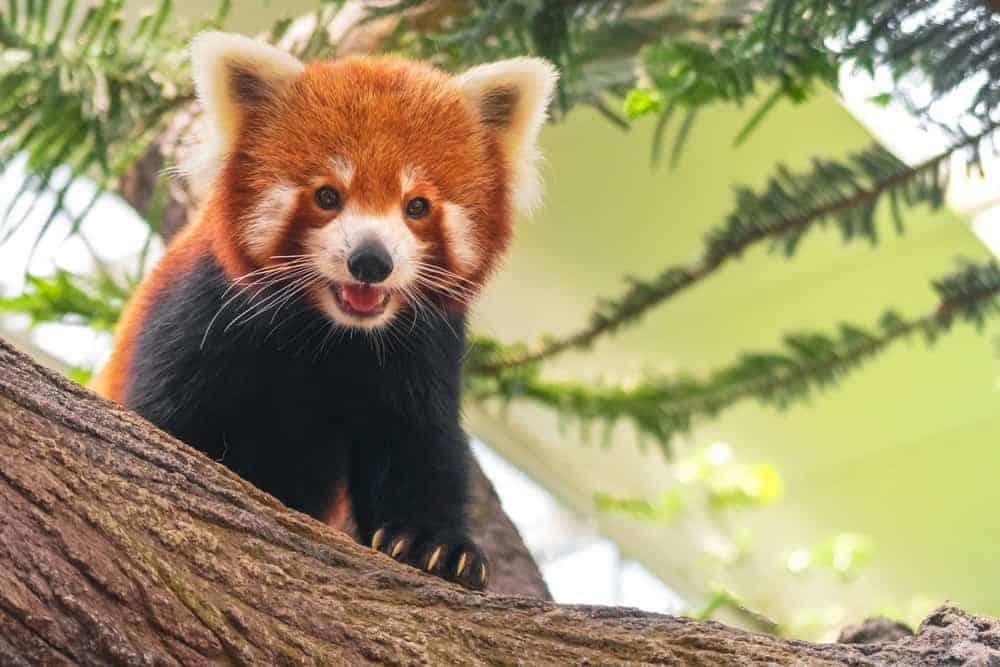
Often confused with its larger, black-and-white namesake, the red panda (Ailurus fulgens) is a unique taxonomic wonder, belonging to its own distinct family. Residing in the Eastern Himalayas, this cat-sized animal is a vision of rust-colored fur, a bandit-like masked face, and a long, bushy tail ringed with lighter bands.
- Appearance and Adaptations: Their striking red coat provides perfect camouflage among the red moss and white lichen that adorn their forest homes. Those captivating white markings are thought to help mothers locate their cubs in the dense foliage. Their most charming feature, aside from their expressive faces, is their tail. This magnificent, bushy appendage is not just for show; it serves as a warm blanket during the frigid mountain nights, wrapping around their bodies like a plush scarf.
- Behavior and Diet: Red pandas are primarily solitary and crepuscular, meaning they are most active at dawn and dusk. They are technically carnivores but have a diet composed almost exclusively of bamboo. Their diet is so low in nutrients that they must conserve energy, leading to their characteristically slow, deliberate movements. Watching a red pandas sit upright, using their semi-retractable claws to skillfully manipulate a bamboo stalk, is a study in serene cuteness.
- Conservation Status: Tragically, these gentle creatures are classified as Endangered. Their survival is threatened by rampant habitat loss due to deforestation, poaching for their distinctive pelts, and the illegal pet trade. Conservation efforts are focused on protecting their forest corridors and combating wildlife trafficking.
B. The Deliberate and Docile Slow Loris
With saucer-like eyes that seem to hold the secrets of the night, the slow loris is one of the most ancient primates. Found across Southeast Asia, their deliberate, graceful movements are a hypnotic display of stealth and precision.
- Unique Characteristics: Their enormous eyes provide exceptional night vision, allowing them to navigate the dark forest in search of fruit, tree gum, and insects. They have a unique grooming tool: a specialized “toothcomb” made from their lower incisors and canines. Perhaps their most fascinating adaptation is a patch of gland on their elbow that secretes a toxin. When threatened, the loris licks this gland, mixing the secretion with saliva to create a potent venomous bite—a stark reminder that cuteness can be a powerful defense mechanism.
- The Dark Side of Cuteness: The slow loris’s adorable appearance has been its curse. They are heavily targeted for the illegal pet trade. To make them “safe” for handling, traffickers often cruelly extract their teeth with pliers, leading to infection, blood loss, and a slow, painful death. This highlights the critical importance of never supporting the exotic pet trade and understanding that wild animals belong in the wild.
C. The Energetic Sugar Glider
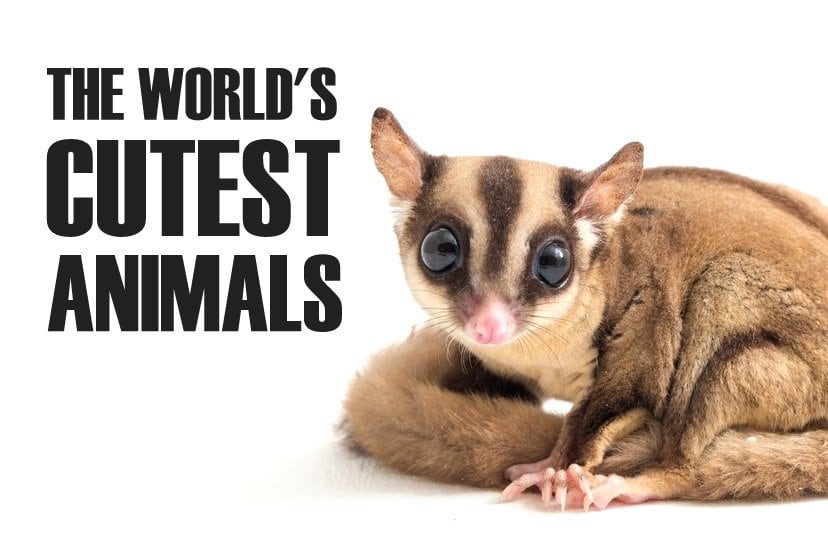
Hailing from Australia and New Guinea, the sugar glider is a tiny, nocturnal marsupial that embodies pocket-sized perfection. With large, prominent eyes and a membrane called a patagium stretching from its fifth finger to its ankle, it is a master of aerial locomotion.
- Gliding Prowess: Sugar gliders use their gliding membrane to soar between trees, covering distances of up to 150 feet in a single leap. They use their long, bushy tails as rudders to steer mid-flight. This behavior is not just for travel; it’s a crucial escape mechanism from predators. Seeing a family of sugar gliders flitting through the moonlight is a breathtaking spectacle of natural engineering.
- Social Structure: They are intensely social animals, living in colonies of up to seven adults and their young. They communicate through a complex repertoire of sounds, including barks, chirps, and crabbing noises. Their strong social bonds are reinforced through mutual grooming and huddling together in tree hollows for warmth, creating heartwarming scenes of communal living.
B. The Terrestrial Treasures: Ground-Dwelling Icons of Charm
Not all adorable animals live in the trees. Some of the world’s most beloved creatures have firmly planted their cute feet on the ground.
D. The Unforgettable Smile of the Quokka
Dubbed “the world’s happiest animal,” the quokka (Setonix brachyurus) is a small, herbivorous marsupial found on a few small islands off the coast of Western Australia, most notably Rottnest Island. Their friendly disposition and the unique structure of their mouths, which curl into what looks like a beaming smile, have made them internet superstars.
- Behavior and Ecology: Quokkas are largely unafraid of humans, which has led to the famous “quokka selfie.” However, it is vital to interact with them responsibly—no touching, feeding, or chasing. They are primarily nocturnal, spending their days resting in the shade and emerging in the cooler hours to forage for leaves, grasses, and stems.
- Reproduction: In a remarkable evolutionary strategy, a female quokka can have two joeys at different stages of development simultaneously. She can nurse a newborn in her pouch while an older joey, already venturing out, will still stick its head in the pouch to feed. This “dual-stage” parenting is a testament to their resilience.
- Conservation Status: While thriving on predator-free islands, the quokka is listed as Vulnerable. On the mainland, they face significant threats from introduced predators like foxes and feral cats, as well as habitat loss due to agricultural expansion.
E. The Desert-Dwelling Fennec Fox
The fennec fox (Vulpes zerda) is the smallest canid in the world, but what it lacks in size, it more than makes up for in auditory prowess. Native to the Sahara Desert and other arid regions of North Africa, this fox is a master of desert survival.
- Distinctive Features: Its most prominent feature is its enormous ears, which can grow up to 6 inches long. These ears are not just for hearing the slightest scuttle of insects underground; they act as radiators, dissipating excess body heat in the brutal desert sun. Their feet are covered in thick fur, which insulates them from the scorching sand and acts as snowshoes, providing traction on loose dunes.
- Nocturnal Lifestyle: Fennec foxes are perfectly adapted to a nocturnal life. Their cream-colored coat provides excellent camouflage against the desert sands, and their kidneys are highly efficient, designed to extract moisture from their food, minimizing their need for direct water sources. Their social nature, living in small families of up to ten individuals, adds a layer of communal cuteness to their solitary environment.
F. The Industrious and Endearing American Pika
The American pika (Ochotona princeps) is a small, mountain-dwelling mammal related to rabbits and hares. Found in the talus slopes and rocky alpine regions of western North America, these “whistling haymakers” are the unsung heroes of high-altitude cuteness.
- Appearance and Behavior: Pikas are rotund, with rounded ears, no visible tail, and a seemingly constant state of busyness. Their high-pitched, distinctive “eep!” call is a classic sound of the alpine ecosystem. They do not hibernate, which means they spend the short summer months feverishly gathering and storing vegetation—”haypiles”—under rocks to sustain them through the long, harsh winter.
- Climate Change Indicators: Pikas are highly sensitive to temperature and are considered a key indicator species for climate change. As global temperatures rise, they are forced to move higher up mountainsides, eventually running out of habitat. Their struggle is a poignant and adorable reminder of the tangible impacts of a warming planet.
C. The Aquatic and Aerial Adorables: Charm in the Water and Sky
Cuteness is not confined to land. The oceans and skies are home to some of the most graceful and delightful creatures on Earth.
G. The Playful and Intelligent Penguin Chick
While adult penguins command respect with their formal tuxedo-like plumage and stoic demeanor, penguin chicks are the epitome of fluffy awkwardness. From the Emperor penguin chicks of Antarctica, huddling in crèches for warmth, to the tiny Little Blue penguin chicks of Australia and New Zealand, their appeal is universal.
- Development and Parenting: Penguin parenting is a story of extreme dedication. Emperor penguin fathers, for instance, endure the Antarctic winter, fasting for months while balancing a single egg on their feet to keep it warm. When the chicks hatch, they are covered in a soft, dense down. Their clumsy waddles, insatiable appetite, and the comical way they beg for food from their parents are sources of endless fascination and endearment.
- The Journey to Adulthood: The process of fledging, where chicks lose their down and develop their waterproof juvenile feathers, is a critical and vulnerable period. They must learn to swim and hunt, often guided and fed by their parents until they are independent. This journey from a fluffy ball of down to a sleek, proficient swimmer is a powerful narrative of growth and survival.
H. The Gentle Sea Oter
Floating effortlessly on their backs in the kelp forests of the northern Pacific Ocean, sea otters (Enhydra lutris) are keystone species and icons of aquatic charm. Their tool-using intelligence and social habits make them endlessly watchable.
- Tool Use and Foraging: Sea otters are one of the few mammal species known to use tools. They use rocks to dislodge abalones from the seafloor and to crack open the hard shells of clams and sea urchins, often while floating on their backs, using their chests as a table. This behavior is not just clever; it’s crucial for maintaining the health of the kelp forest ecosystem by controlling sea urchin populations.
- Social Bonds and “Fur-tenance”: Sea otters are highly social, often seen resting together in large, single-sex groups called rafts. One of their most heart-melting behaviors is holding hands (or paws) while sleeping to prevent themselves from drifting apart. This act, combined with their constant grooming to maintain the insulating quality of their incredibly dense fur (the thickest in the animal kingdom), showcases a blend of practicality and profound social connection.
I. The Majestic Harp Seal Pup
On the vast, icy expanses of the North Atlantic and Arctic Oceans, the harp seal pup presents one of nature’s most pristine images of innocence. For the first two weeks of their lives, they are known as “whitecoats,” covered in a long, white, woolly coat.
- The Neonatal Phase: This pure white fur provides critical camouflage against the snow and ice, protecting them from predators while their mothers forage. During this period, they gain significant weight from their mother’s incredibly rich milk, which is over 40% fat. Their plump, white, and wide-eyed appearance is the very definition of infantile charm.
- Weaning and Development: After just 12 days, the mother seal abandons her pup, leaving it to fend for itself. The pup will molt its white coat for a silvery-gray one with dark harp-shaped markings, learning to swim and hunt in the frigid waters. This abrupt transition is a harsh but necessary part of their life cycle in one of the world’s most challenging environments.
D. The Universal Language of Cuteness and Our Responsibility
From the dense jungles of Southeast Asia to the frozen poles, the animal kingdom is replete with species that evoke a powerful, positive emotional response in humans. This universal language of cuteness, rooted in our own biology, is a powerful force. It can inspire awe, foster empathy, and ignite a passion for the natural world.
However, with this appreciation comes a profound responsibility. The very features that make these animals adorable often make them targets for exploitation, habitat encroachment, and the illegal wildlife trade. The story of the slow loris is a tragic case in point.
How We Can Be Guardians of Cuteness:
A. Support Reputable Conservation Organizations: Find and donate to NGOs working on the ground to protect these species and their habitats, such as the World Wildlife Fund, The Red Panda Network, or local wildlife trusts.
B. Practice Ethical Tourism: When visiting areas known for their wildlife, choose operators who prioritize animal welfare. Keep a respectful distance, never feed wild animals, and avoid any attraction that offers direct contact with wild creatures.
C. Make Sustainable Consumer Choices: The demand for palm oil, timber, and other resources drives deforestation. Opting for sustainable products helps preserve the critical habitats of countless adorable and essential species.
D. Educate and Advocate: Share your knowledge. Use those captivating “quokka selfies” or “red panda gifs” as a gateway to start a conversation about conservation, ecology, and the importance of protecting biodiversity.
In conclusion, the world’s cutest animals are far more than just photogenic subjects. They are complex, wonderfully adapted beings playing vital roles in their ecosystems. By looking beyond the initial “aww” and understanding their stories, we can transform our fleeting fascination into lasting action, ensuring that these charming creatures continue to thrive for generations to come. Their survival is, in many ways, a measure of our own humanity and our commitment to being stewards of this beautiful planet.