Table of contents
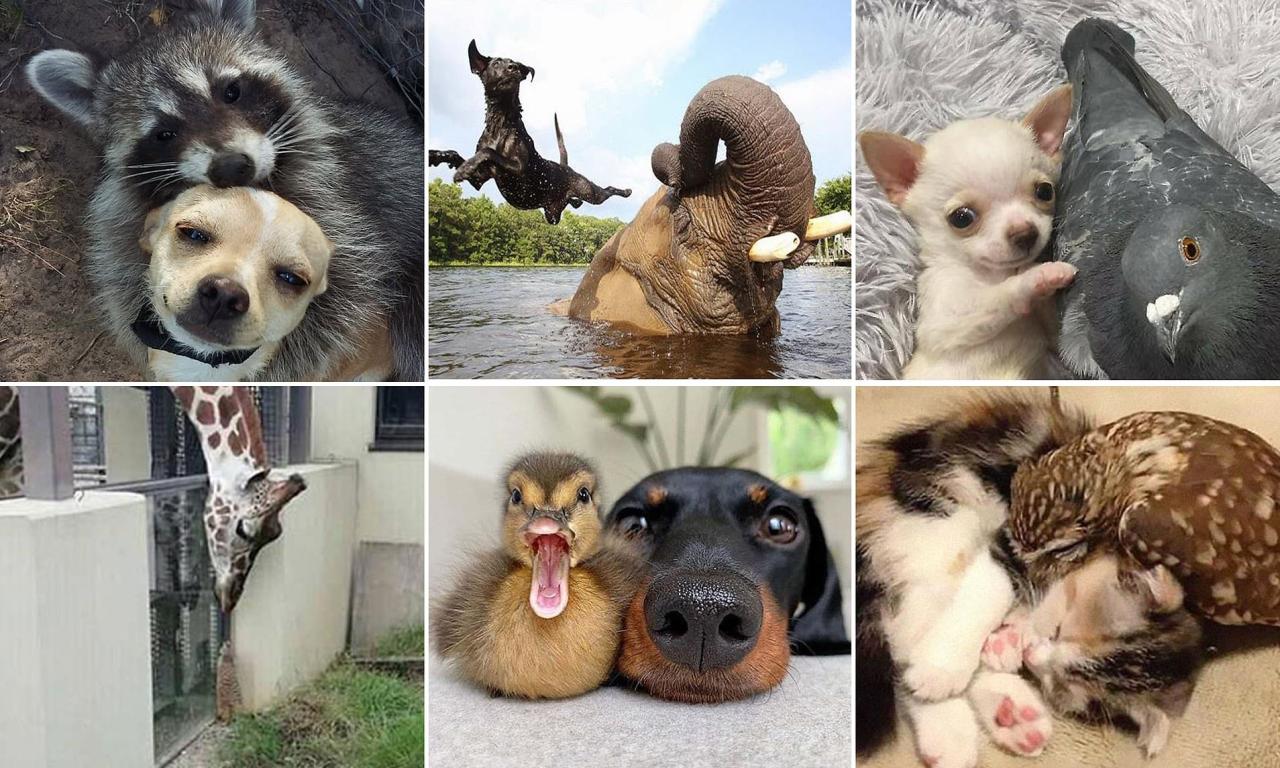
In an digital landscape often dominated by divisive news and curated perfection, a heartwarming counter-trend is flourishing. Across TikTok, a platform with over a billion active users, a particular genre of content has proven to be universally irresistible: videos documenting the unlikely friendships between different animal species. These clips, often tagged with #UnlikelyAnimalFriends or #StrangeAnimalFriends, routinely amass millions of views, hundreds of thousands of likes, and comment sections filled with genuine awe and delight. From a timid kitten snuggling with a gentle rabbit to a massive dog carefully playing with a tiny duckling, these interspecies bonds challenge our deepest assumptions about animal behavior and tap into a fundamental human desire for connection and harmony.
This phenomenon is more than just a fleeting internet trend; it is a cultural moment that speaks volumes about our relationship with nature, the power of social media to spread joy, and the complex, often misunderstood, emotional lives of the animals we share our world with. This article delves deep into the world of viral pet friendships on TikTok, exploring the science behind these bonds, the psychological reasons for their immense appeal, the ethical considerations for pet owners, and a curated look at some of the most unforgettable pairs that have captured the global imagination.
A. The Scientific Foundation of Interspecies Friendships
While they may seem like magical anomalies, many interspecies friendships have roots in observable animal behavior and biology. Scientists and animal behaviorists, known as ethologists, have studied these relationships and identified several key factors that can facilitate such unexpected bonds.
A. The Critical Role of Early Socialization: For many animals, there is a developmental window early in life, often called the “critical period,” during which they are highly receptive to forming social attachments. During this time, they learn to identify who is a friend, who is family, and who is a threat. If an animal is raised from a very young age with a member of another species, it may imprint on that animal or simply come to view it as a non-threatening companion, a part of its own social group. This is commonly seen in households that adopt two different species as young juveniles simultaneously.
B. The Principle of Mutual Benefit and Commensalism: In the wild, different species often form symbiotic relationships for survival. While the friendships seen on TikTok are typically devoid of life-or-death necessity, echoes of this principle remain. The relationship can offer mutual benefits such as:
* Warmth and Comfort: A cat and a rabbit might cuddle together for shared body heat.
* Grooming and Hygiene: Animals often groom each other, a behavior known as allogrooming, which strengthens social bonds and helps with hard-to-reach spots.
* Play and Mental Stimulation: Animals of similar energy levels, regardless of species, may engage in play to practice skills, burn energy, and stave off boredom.
* Security and Protection: A smaller or more vulnerable animal might feel safer in the presence of a larger, protective companion.
C. The Impact of Domestication: Centuries of domestication have selectively bred many animals, particularly dogs and cats, for traits like tameness, sociability, and reduced aggression. This has fundamentally altered their behavioral repertoire, making them more flexible and tolerant in their social interactions, not just with humans but potentially with other domesticated animals as well. Their survival is no longer solely dependent on rigid species-specific instincts, allowing for more cross-species social experimentation.
D. Cross-Species Communication Cues: Despite their differences, many mammals share common body language signals for play and submission. The “play bow” in dogs (front legs down, rear in the air) is a universal invitation to play that can be understood by cats and even other animals. Similarly, relaxed postures, gentle nuzzling, and avoiding direct, aggressive stares are signals of non-threatening intent that can be interpreted across species barriers.
B. The TikTok Effect: Why We Can’t Look Away
The success of these videos on a platform like TikTok is not accidental. It is the result of a perfect storm of platform-specific features and deeply ingrained human psychology.
A. The Dopamine Rush of Cuteness and Positivity: Scientifically, viewing cute things, a phenomenon known as “cute aggression,” triggers a release of dopamine in the brain, the chemical associated with pleasure and reward. In a digital environment saturated with stressful news and negative content, a 15-second video of a hamster riding on a tortoise provides a quick, potent hit of positive emotion. This creates a powerful feedback loop: users feel good, they like and share the video, and the algorithm pushes it to more people who also crave that feeling.
B. The Power of the Algorithm to Spread Joy: TikTok’s algorithm is exceptionally skilled at identifying niche interests and serving relevant content. Once a user interacts with a single #UnlikelyAnimalFriends video, the algorithm quickly curates a “For You Page” (FYP) filled with similar content. This creates a personalized stream of positivity, constantly introducing users to new and even more endearing animal pairs, thereby solidifying their engagement with the trend.
C. Narrative and Storytelling in Short Clips: The most successful TikTok pet accounts don’t just post random clips; they craft micro-narratives. They give the animals names, use captions to create a “dialogue” between them, and use trending audio tracks to add emotional depth. This transforms a simple video of a dog and a cat sleeping together into a story of “Best Friends’ Nap Time,” making the audience more emotionally invested in the characters.
D. Fostering a Sense of Global Community: The comment sections of these viral videos become digital watering holes where people from all over the world, regardless of language or culture, gather to express universal sentiments of joy. Comments like “This restored my faith in the world” or “We don’t deserve animals” are common, creating a shared, collective experience of wonder and softening the often-anonymous nature of online interaction.
C. Ethical Considerations and Responsible Pet Ownership
As the trend grows, it is crucial to address the ethical dimension. The desire to create a viral video must never compromise the welfare of the animals involved.
A. The Primacy of Natural Instincts: Perhaps the most important rule is to never assume that natural predators and prey can safely be friends. The instincts of a predator, such as a dog with a high prey drive towards a rabbit or a cat towards a bird, can be triggered in a split second, leading to tragedy. These relationships should never be forced and can only be considered if the animals have been raised together from a very young age in a highly controlled and supervised environment.
B. The Critical Importance of Supervised Introduction and Cohabitation: Throwing two unfamiliar animals together and filming the results is irresponsible and dangerous. Proper introductions should be gradual, controlled, and always supervised. Each animal must have its own safe space to retreat to, and their body language must be constantly monitored for signs of stress, fear, or aggression.
C. Respecting the Needs of Each Species: A successful interspecies household requires a deep understanding of the specific needs of each animal. Their dietary requirements, environmental enrichment, and social structures can be vastly different. For example, a rabbit’s digestive system is highly sensitive, and a dog’s food could be fatal to it. The owner must be committed to meeting the distinct needs of each pet, not just creating a charming living situation.
D. Avoiding Exploitation for Content and Clout: Animals are sentient beings, not props for social media fame. It is unethical to continuously disturb sleeping or eating animals for a photo op, to force interactions that clearly cause stress, or to prioritize content creation over the animals’ well-being. The focus should always be on fostering a genuine, safe bond, with the viral videos being a happy byproduct, not the primary goal.
D. Case Studies: TikTok’s Most Memorable Unlikely Friends
To illustrate the phenomenon, let’s examine a few iconic duos that have taken TikTok by storm, analyzing the likely reasons for their successful bond.
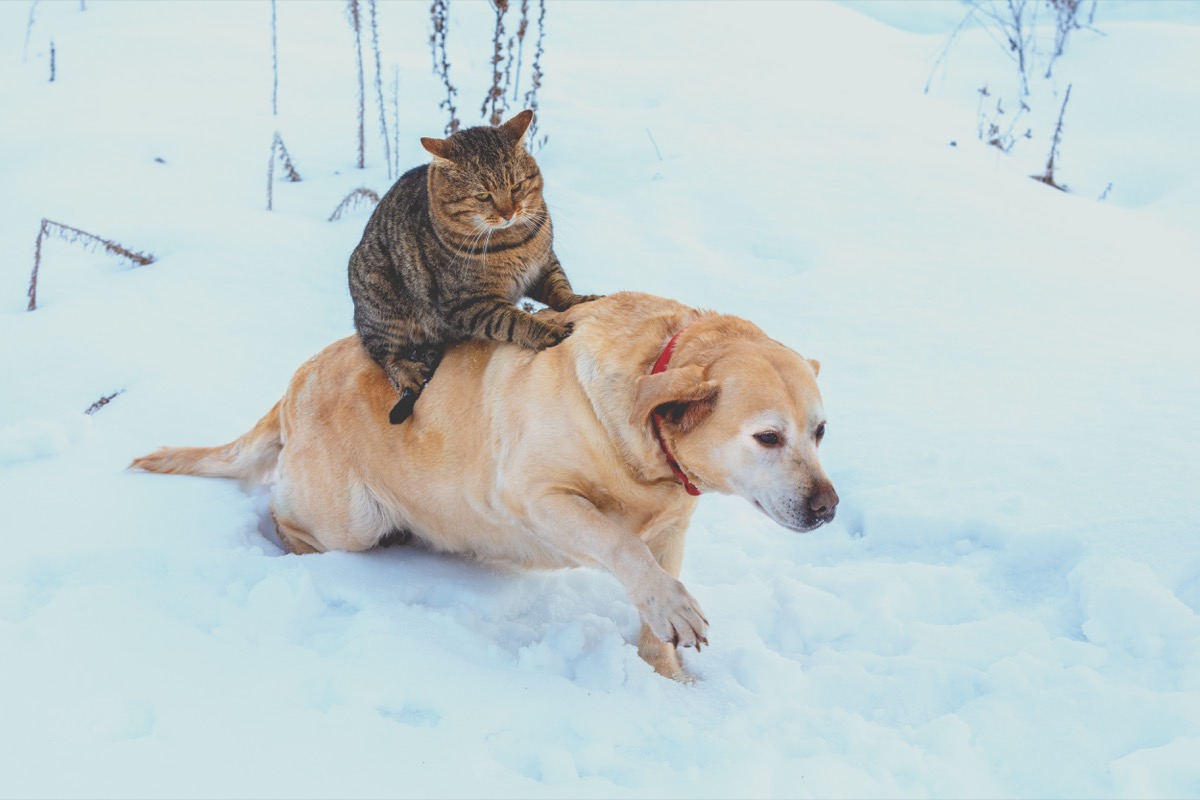
A. The Canine-Feline Power Couple: “Thor the Dog & Loki the Kitten”: This account features a massive, gentle Mastiff and a tiny, mischievous kitten. Their success lies in the ultimate size contrast. Thor exhibits incredible patience and gentleness, often lying perfectly still while Loki pounces on his tail or naps between his paws. Their bond likely formed due to Loki being introduced to Thor as a very young kitten, during which Thor’s nurturing instincts were activated. Their videos perfectly showcase cross-species communication, with Loki’s playful feline antics being received with calm, canine tolerance.
B. The Herbivore-Carnivore Roommates: “Clover the Bunny & Jasper the Cat”: This pair defies classic predator-prey dynamics. The rabbit, Clover, is often the more dominant and curious one, nudging the cat, Jasper, and stealing his warm sleeping spots. Jasper, in turn, displays cat behaviors like grooming Clover, treating him as part of his colony. Their bond was likely forged through early co-socialization and a shared, calm home environment where neither felt threatened. Their content is a masterclass in peaceful coexistence, challenging the assumption that cats and rabbits are natural enemies.
C. The Exotic and the Domestic: “Peanut the Squirrel & Bear the Golden Retriever”: This friendship began when Peanut, an orphaned baby squirrel, was rescued and rehabilitated by Bear’s owner. Instead of releasing Peanut, the squirrel formed an inseparable bond with the dog. They play, share food (carefully monitored by the owner), and sleep together. This is a classic case of imprinting and a bond formed through nurturing. While ethically complex, as wild animals generally belong in the wild, their story highlights the profound capacity for connection that can occur in unique circumstances.
D. The Avian-Mammal Alliance: “Pip the Duck & Rex the German Shepherd”: The videos of Pip waddling confidently next to the giant Rex are a testament to the power of early imprinting. Ducks will often imprint on the first large moving object they see after hatching. In Pip’s case, that was Rex. Pip follows Rex everywhere, and the dog has learned to be meticulously careful with his steps and movements around his tiny, feathered friend. Their relationship demonstrates how innate biological mechanisms can create bonds that transcend species lines in a domestic setting.
E. Creating a Safe Environment for Interspecies Harmony
For those inspired by these videos to introduce a new species into their home, a methodical and cautious approach is paramount.
A. The Step-by-Step Introduction Process:
1. Scent Swapping: Before any physical meeting, exchange bedding or toys between the animals so they can become accustomed to each other’s scent.
2. Controlled Visual Access: Allow the animals to see each other through a baby gate or a cracked door for short periods.
3. Neutral Territory Meeting: The first physical introduction should be in a neutral space unfamiliar to both animals, with both animals on leashes or in carriers for control.
4. Monitor Body Language Closely: Look for relaxed postures, curious sniffing, and ignoring each other (which is a positive sign). Immediately separate them if you see raised hackles, growling, hissing, stiff posturing, or cowering.
B. Providing Ample Resources and Safe Havens: To prevent competition and stress, ensure there are multiple food bowls, water stations, litter boxes, and beds. Each animal must have its own designated “room” or crate where it can retreat and feel completely secure without being followed by the other animal.
C. Consulting with Professionals: Before attempting to introduce species with traditionally adversarial relationships, it is highly advisable to consult with a veterinarian or a certified animal behaviorist. They can provide species-specific guidance and help assess the individual temperaments of your pets.
F. The Enduring Cultural Impact of Animal Friendship Videos
The trend of viral pet friendships extends beyond mere entertainment. It has a tangible impact on viewers and society.
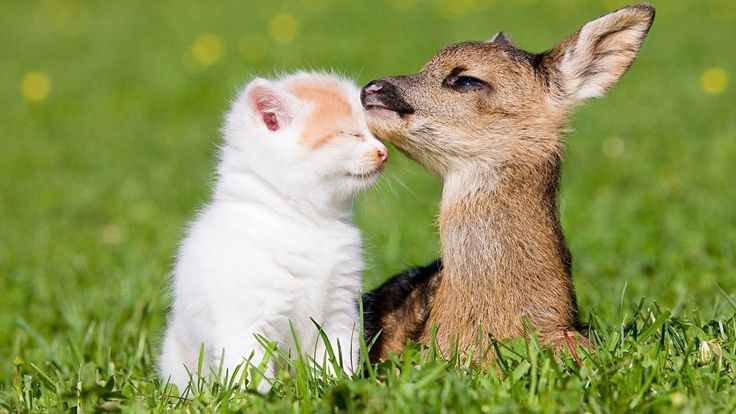
A. Educational Value and Raising Awareness: These videos serve as informal educational tools, teaching millions about animal behavior, communication, and the fact that intelligence and emotion are not exclusive to humans. They can spark an interest in zoology, ethology, and animal welfare.
B. Promoting Adoption and Animal Welfare: Many viral pet accounts use their platform to advocate for animal adoption, often highlighting that their own famous pet was a rescue. This can lead to increased traffic to animal shelters and inspire viewers to consider adopting a pet themselves, particularly older or “unlikely” animals.
C. A Prescription for Digital Mental Wellness: In a sense, these videos have become a form of digital therapy. Mental health professionals sometimes even recommend taking short breaks to watch positive animal videos to alleviate symptoms of anxiety and depression. They provide a moment of pure, uncomplicated joy in an otherwise stressful day.
Conclusion
The viral sensation of unlikely animal friendships on TikTok is a beautiful confluence of science, storytelling, and human emotion. These bonds, while requiring careful and ethical management, remind us that the desire for companionship, play, and comfort is a powerful force in the animal kingdom. They challenge our rigid categorizations of the natural world and offer a hopeful narrative of harmony that resonates deeply in our complex human experience. As we continue to double-tap and share these moments of interspecies connection, we are not just consuming content; we are participating in a global celebration of the simple, profound power of friendship in all its unexpected forms.