It’s a scene that has broken the internet more times than we can count: a roly-poly baby panda, no bigger than a stick of butter, tumbling head over heels. Its mother, a gentle giant in black and white, nudges it with her nose. The baby lets out a squeak, a sound impossibly small for a creature that will one day be a national symbol. This is the magic of the baby panda video. In an instant, it can melt away stress, bring a smile to the face, and rack up millions of views. But what is it about these videos that captivates us so deeply? And what is the profound, complex, and critically important story happening just beyond the frame of that adorable clip?
This comprehensive guide delves beyond the sheer cuteness to explore the fascinating world of giant panda cubs. We will unravel the science behind their appeal, trace their incredible journey from birth to adulthood, understand the monumental conservation efforts that bring them to our screens, and even guide you to the most heartwarming and educational panda videos available online. This is not just a collection of clips; it’s a deep dive into one of nature’s most charming miracles.
A. The Science of “Aww”: Why We’re Hardwired to Love Baby Pandas
The overwhelming urge to coo at a stumbling panda cub isn’t just a cultural phenomenon; it’s rooted in evolutionary biology and psychology. Scientists have a term for the features that make baby animals so irresistible: “baby schema” or “Kindchenschema.” Proposed by ethologist Konrad Lorenz, this concept outlines a set of physical traits that trigger an innate caregiving response in humans. Baby pandas are the ultimate embodiment of this schema.
Let’s break down the specific features that hijack our brain’s nurturing instincts:
A. Large Heads and Proportions: A panda cub’s head is enormous relative to its body, a classic baby schema trait. This disproportionate cuteness signals vulnerability and youth, compelling us to protect and care for it.
B. Big, Forward-Facing Eyes: Those dark, expressive patches around their eyes make them appear larger and more infant-like. Humans are naturally drawn to faces with large, forward-facing eyes, a feature we associate with our own babies, fostering a sense of connection and empathy.
C. Rounded Bodies and Clumsy Movements: Their chubby, spherical bodies and uncoordinated, wobbly walks scream helplessness. This clumsiness signals that the cub is non-threatening and in need of assistance, activating our protective instincts.
D. Playful and Curious Behavior: Watching a panda cub somersault, chase its own tail, or curiously investigate a leaf taps into our love for playful, innocent behavior. It’s a pure, unadulterated expression of joy that provides a mental escape from our complex human lives.
From a neurological perspective, viewing these videos causes a release of dopamine, the neurotransmitter associated with pleasure and reward, and oxytocin, the “love hormone” linked to bonding and affection. In essence, watching a baby panda video is a biochemical event that makes us feel happy and connected. It’s a potent form of digital therapy, offering a few moments of respite and pure, uncomplicated joy.
B. A Miracle in Miniature: The Astonishing Life Cycle of a Giant Panda Cub
The journey of a giant panda from conception to adulthood is one of the most remarkable in the animal kingdom, fraught with challenges and biological wonders. Understanding this struggle makes the sight of a healthy, playing cub even more miraculous.
A. The Challenge of Conception
Giant pandas are notorious for their low reproductive rates. Females are in estrus for only 24 to 72 hours once a year. In the wild, males must compete for access during this incredibly narrow window. This biological bottleneck is one of the primary reasons for their endangered status.
B. A Precipitous Pregnancy and a “Blind” Birth
Panda gestation is variable, lasting between 95 and 160 days, due to a process called delayed implantation. The fertilized egg floats freely in the uterus for a period before implanting, making it difficult to predict a birth date. When the cub is born, it is a study in extreme altriciality (being born in an undeveloped state). A newborn panda is:
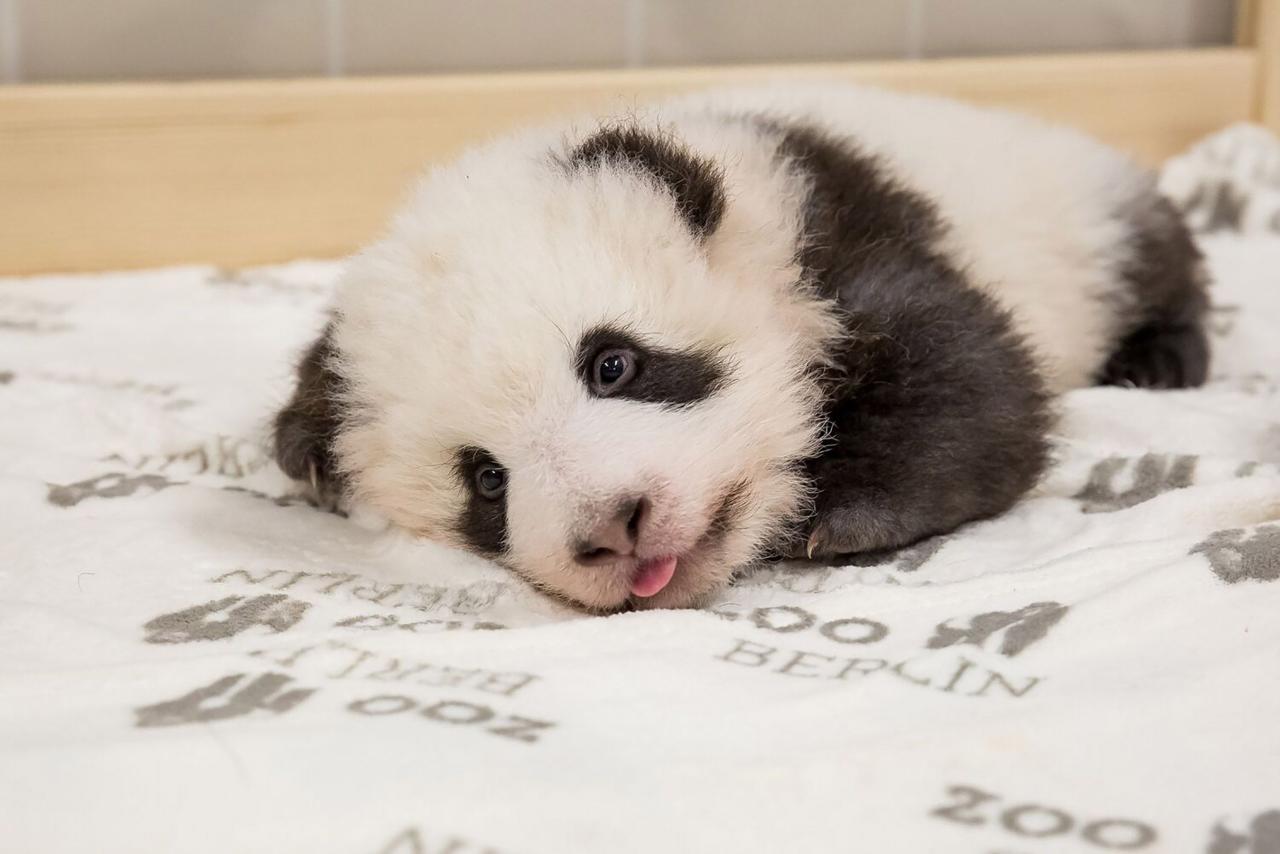
- Incredibly Small: Weighing only 90-130 grams (3-5 ounces), a cub is about 1/900th the size of its mother. It is blind, pink, and covered with a fine layer of white fuzz.
- Completely Dependent: It cannot regulate its own body temperature and is entirely reliant on its mother for warmth, nutrition, and protection.
C. The Fragile First Months: A Mother’s Unwavering Devotion
The first few weeks of a cub’s life are the most critical. The mother panda, such as the famous Mei Xiang at the Smithsonian’s National Zoo, will cradle the tiny cub almost constantly, rarely leaving the den. She uses her body and paws to keep it warm and safe. Videos from this stage often show the mother delicately holding her squeaking infant, a testament to the powerful maternal bond. The mortality rate for pandas in their first year is high, both in the wild and in captivity, which makes successful rearing a cause for global celebration.
D. The Transformation: From Pink to Black-and-White
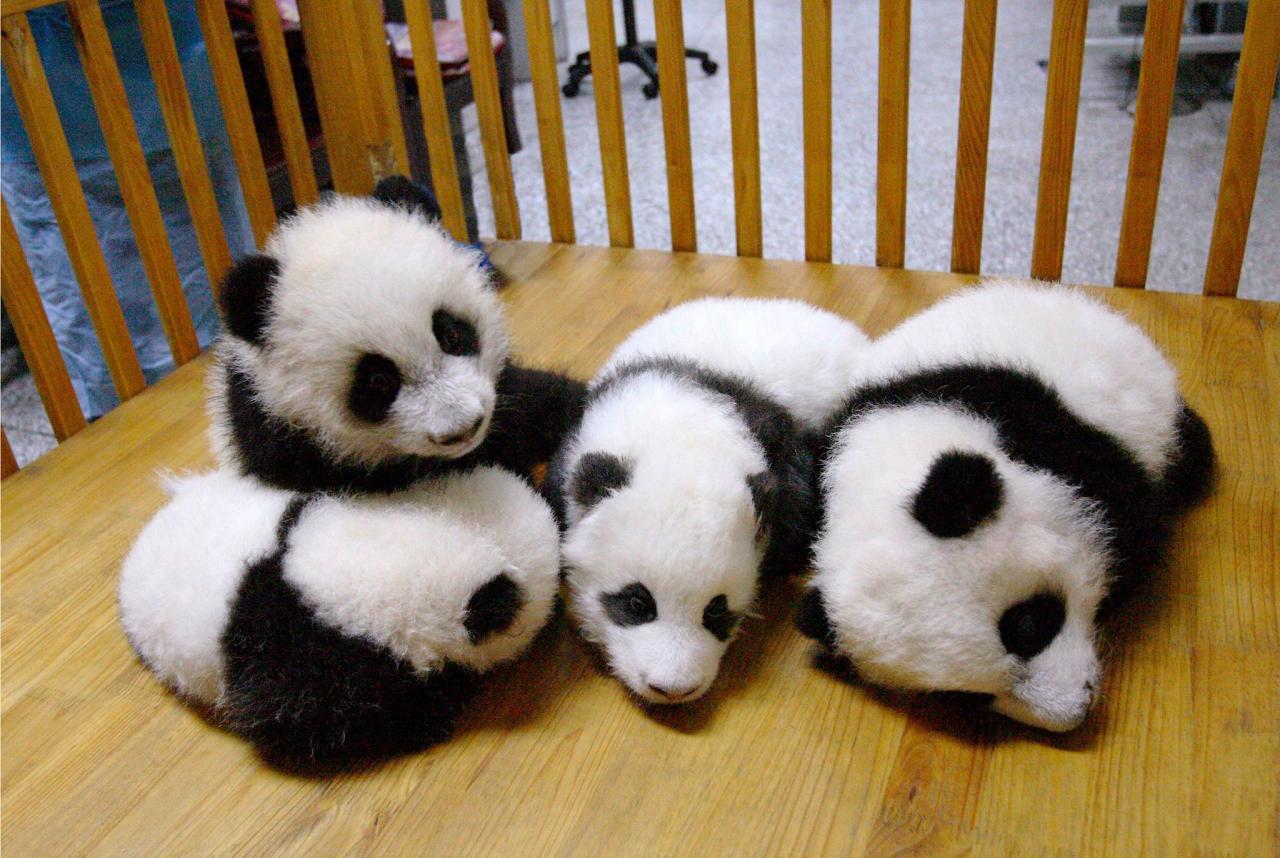
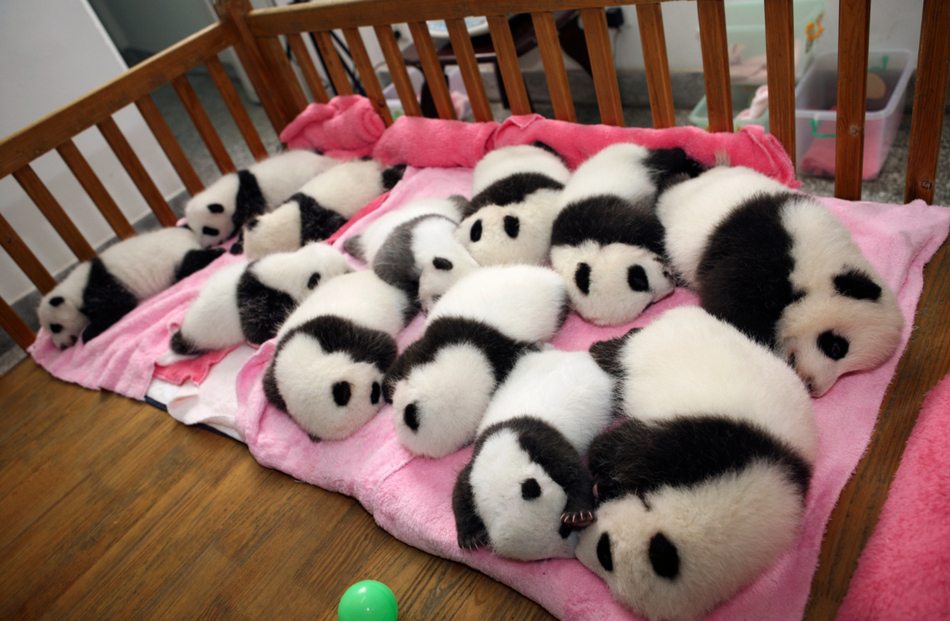
Over the next several weeks, the cub undergoes a dramatic transformation. Its skin darkens, and the iconic black patches begin to appear on its fur. Its eyes open around 6-8 weeks, and it slowly starts to gain coordination. By three months, it may begin to crawl, and its distinctive coloration is fully developed.
E. The Playful Juvenile: Learning Through Tumbles
From about six months to a year and a half, the cub enters its most photogenic stage. This is the phase most commonly featured in viral videos. This play wrestling with mom, climbing small trees, and tumbling down hills is not just for fun. It is crucial for developing the strength, coordination, and skills it will need for survival, such as foraging and climbing to escape predators.
F. The Path to Independence
A panda cub will typically stay with its mother for up to two years, learning the intricacies of being a panda. After this period, the mother will wean the cub and eventually chase it away to establish its own territory. In the wild, pandas reach sexual maturity between 4 and 8 years of age, at which point the cycle begins anew.
C. Behind the Scenes: The Critical Role of Panda Bases and Conservation
The very existence of the panda videos we love is a direct result of one of the most intensive and successful conservation stories of the modern era. Without human intervention, the giant panda might already be extinct.
A. The Plight of the Panda: How They Became Endangered
Historically, giant pandas faced a perfect storm of threats:
- Habitat Loss and Fragmentation: As China’s human population grew, vast swathes of bamboo forest were cleared for agriculture, timber, and infrastructure. This fragmented the panda’s habitat, isolating populations and making it difficult for them to find mates.
- Poaching: While now strictly enforced, poaching for their distinctive pelts was a significant threat in the past.
- Low Reproductive Rate: Their naturally slow reproductive cycle, as detailed earlier, meant populations could not recover quickly from declines.
B. Sanctuaries of Hope: The Chengdu and Wolong Bases
Dedicated research and breeding centers, such as the Chengdu Research Base of Giant Panda Breeding and the China Conservation and Research Center for the Giant Panda in Wolong, became the arks for the species. Their work is multifaceted and revolutionary:
- Advanced Breeding Programs: Scientists use a combination of natural mating and artificial insemination to boost reproduction rates. They have perfected the care for both mothers and cubs, dramatically increasing cub survival.
- Veterinary Medicine and Nutrition: Dedicated teams provide round-the-clock medical care and have developed specialized formula for cubs whose mothers cannot nurse them.
- Behavioral Research: Constant observation has led to a deeper understanding of panda biology, social structure, and needs, which informs both captive care and wild conservation strategies.
C. “Panda Diplomacy” and Global Collaboration
Giant pandas are not just animals; they are tools of international soft power. China’s “panda diplomacy” involves loaning pandas to zoos around the world. These loans, which often involve multi-million dollar agreements, fund conservation efforts in China and foster global collaboration among the world’s top scientists. The pandas sent abroad, like Bei Bei and Mei Xiang’s other offspring in the US, become global ambassadors, raising awareness and funds for their species.
D. A Success Story with an Asterisk: The Status Update
In a landmark moment, in 2016, the International Union for Conservation of Nature (IUCN) downlisted the giant panda from “Endangered” to “Vulnerable.” This was a testament to decades of tireless work. However, this is not a reason for complacency. Climate change poses a new threat, as it could wipe out over a third of their bamboo habitat in the coming decades. The fight is far from over.
D. Beyond the Viral Clip: The Educational Power of Panda Videos
While we enjoy them for their entertainment value, baby panda videos serve a much higher purpose. They are a gateway to education and conservation awareness.
A. A Window into Wildlife Biology
For many people, a viral panda video is their first introduction to the species. This sparks curiosity, leading viewers to seek out more information about their life cycle, habitat, and behavior. Documentaries and live-streamed “panda cams” from zoos provide an unfiltered look into their daily lives, fostering a deeper appreciation for wildlife.
B. Fostering Empathy and Conservation Ethics
It is difficult to watch a vulnerable panda cub and not feel a desire to protect it. This emotional connection is a powerful catalyst for action. Seeing the dedication of the keepers and scientists in these videos highlights the importance of conservation work and can inspire the next generation of biologists and veterinarians.
C. The Role of Zoological Institutions
Modern, accredited zoos are no longer just menageries; they are centers for conservation, research, and education. The panda exhibits at zoos like the Smithsonian’s National Zoo, Zoo Atlanta, and Memphis Zoo are at the forefront of this mission. The videos and live streams they produce are integral to their public education and fundraising efforts, directly contributing to the survival of the species.
E. A Curated Collection of Must-Watch Baby Panda Videos
To fully appreciate the journey we’ve outlined, here is a curated list of video types and specific examples that every panda enthusiast should see. Search for these titles or similar descriptions online.
A. The Newborn Miracle: Footage of a newborn panda cub, highlighting its tiny size and complete dependence on its mother. (Search: “newborn panda cub first days”)
B. The First Squeaks and Squeals: Videos focusing on the vocalizations of panda cubs, from their first high-pitched squeaks to their more demanding calls. (Search: “baby panda sounds and vocalizations”)
C. The Tumbling and Play Phase: The classic viral videos of cubs clumsily playing, sliding down slides, and wrestling with each other or their mothers. (Search: “panda cubs playing and tumbling compilation”)
D. Panda Cub Milestones: Documentaries or zoo videos that track a specific cub’s first crawl, first steps, first taste of bamboo, and first climb. (Search: “[Cub’s Name, e.g., Xiao Qi Ji] first steps”)
E. The Gentle Giant: Mother-Cub Bonding: Heartwarming compilations showcasing the incredible care and affection panda mothers show their young. (Search: “panda mother and cub bonding moments”)
F. Keeper Interactions and Care: Videos showing the dedicated work of panda keepers, from feeding and weighing the cubs to conducting health check-ups. (Search: “behind the scenes panda keeper care”)
G. The Road to Release: Inspiring stories and footage from conservation centers that document the process of preparing captive-born pandas for a life in the wild, a complex and challenging endeavor. (Search: “panda reintroduction to the wild”)
Conclusion: A Symbol of Hope in a Black and White Package
The next time you find yourself falling down a rabbit hole of adorable baby panda videos, remember that you are witnessing more than just a cute animal clip. You are seeing the culmination of a scientific miracle, the result of decades of international conservation effort, and the embodiment of a powerful biological pull that connects us to the natural world. That tiny, tumbling cub represents resilience, hope, and the profound impact that dedicated human intervention can have on the fate of a species. It is a reminder of the beauty and fragility of life on our planet and a call to ensure that future generations will also be able to experience the joy of watching a baby panda find its feet