Table of contents
In the vast, sprawling ecosystem of the internet, few phenomena have proven as universally beloved and enduringly popular as the funny cat meme. These digital artifacts, combining the inscrutable charm of felines with perfectly crafted captions, are more than just fleeting distractions. They are a cultural language, a psychological balm, and a multi-million dollar digital economy. From the early, grammatically-challenged “LOLCats” to the modern, situational comedy of “Woman Yelling at a Cat,” these memes tap into something deep within our shared human (and apparently, cat) experience. This deep dive goes beyond the surface-level laugh to explore the origins, the science, the stories behind the most iconic memes, and the reasons why these whiskered comedians have such a powerful hold on our attention and our hearts.
A. The Feline Takeover: A Brief History of Cats on the Internet
Long before they ruled our social media feeds, cats were being revered, feared, and adored. The internet simply provided the perfect platform for their global domination. The journey from pet to pixel was a gradual one, fueled by technological advancement and a fundamental shift in how we communicate.
The earliest inklings of online cat culture appeared in the 1990s on forums and early websites. However, the catalyst was the website “Cute Overload,” which established a template for the kind of adorable, shareable animal content that would soon dominate the web. The real revolution began in the mid-2000s with the birth of “I Can Has Cheezburger?” This site became the central hub for a very specific genre: the LOLCat.
A. The LOLCat Era (c. 2007): Characterized by brightly colored, Impact-font text overlaid on a picture of a cat, the LOLCat was defined by its purposefully broken English, or “lolspeak.” Phrases like “I CAN HAS CHEEZBURGER?”, “INVISIBLE BICYCLE,” and “OH HAI” were not just funny; they were a form of in-group communication. To understand and use lolspeak was to be part of a digital club. This era established the core formula: Cat + Relatable Human Emotion (often desire, frustration, or mischief) + Humorous Caption = Viral Success.
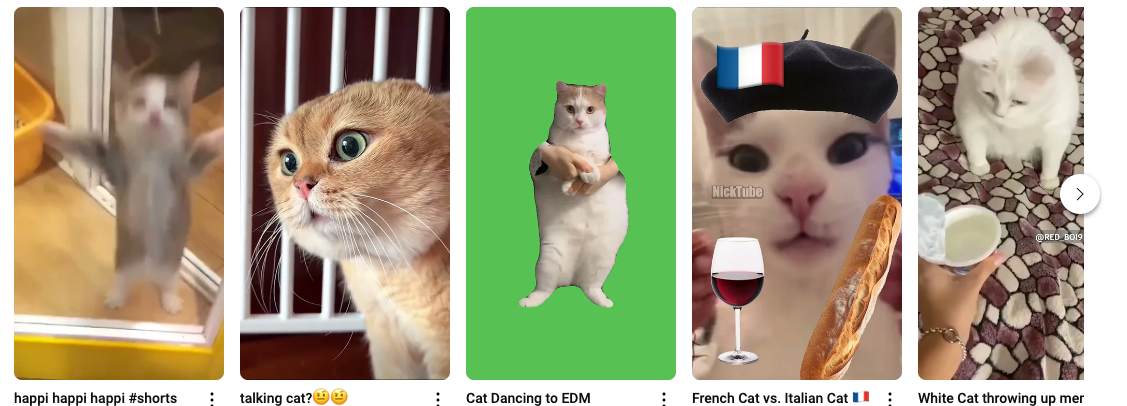
B. The Rise of Video and Vine (c. 2012-2016): As bandwidth increased and platforms like YouTube and the short-lived Vine gained popularity, cat content evolved from static images to dynamic videos. This was the era of “Surprised Kitty,” “Cat Slapping,” and countless videos of cats failing to jump or being scared by cucumbers. The brevity and immediacy of video captured the unpredictable nature of cats, making their antics even funnier and more shareable.
C. The Age of the “Character” Meme (c. 2012-Present): This period saw the rise of memes centered around specific cats with distinct, recognizable personalities. These weren’t just random cats; they were stars like Grumpy Cat, Lil Bub, and Maru. Their unique appearances and the narratives built around them Grumpy Cat’s perpetual scowl, Lil Bub’s adorable alien-like features turned them into brands, leading to merchandise, TV deals, and movie appearances.
D. The Modern Meta-Meme (c. 2018-Present): Today’s cat memes are often more sophisticated, relying on cultural references and situational humor. Templates like “Woman Yelling at a Cat” or “Smudge the Cat” are used to comment on everything from politics to pop culture to everyday personal dilemmas. They function as a visual shorthand for complex social dynamics, proving that the cat meme has matured into a versatile tool for modern communication.
B. The Psychology of the Purr-fect Meme: Why We Can’t Look Away
The virality of cat memes isn’t accidental. It’s rooted in a powerful combination of human psychology and the inherent traits of our feline companions.
A. The Cute Response: Scientifically, humans are hardwired to find features like large eyes, round faces, and small noses features that kittens possess in abundance overwhelmingly cute. This “baby schema” triggers a caregiving response in our brains, releasing dopamine and making us feel good. Looking at a cute cat meme is a genuine neurological pick-me-up.
B. Anthropomorphism in Action: We are storytellers by nature, and we instinctively project human thoughts, feelings, and intentions onto animals. When we see a cat with a specific expression, we imagine its inner monologue. Is it plotting world domination? Is it deeply disappointed in its owner’s life choices? This act of anthropomorphism transforms a simple photo into a relatable narrative.
C. Schadenfreude and Relatability: Let’s be honest: we often laugh at a cat’s minor failures. A cat sliding off a couch or getting its head stuck in a cup is funny because it’s a moment of humble, harmless misfortune. This schadenfreude pleasure derived from another’s misfortune is coupled with a deep relatability. The cat staring blankly at a wall mirrors our own moments of existential dread or procrastination. The cat screaming for food embodies our own unchecked desires.
D. Digital Comfort in a Stressful World: In an era of constant news cycles and social media pressure, cat memes serve as a form of digital comfort food. They are a low-stakes, universally positive escape. Sharing a cat meme is a way to connect with others without the friction of political or social debate. It’s a simple, joyful transaction that says, “I saw this, it made me happy, and I hope it makes you happy too.”
C. Deconstructing the Icons: The Stories Behind the Most Viral Cat Memes
To understand the power of the cat meme, we must look closely at its most famous ambassadors. Each one represents a different flavor of humor and a unique path to internet stardom.
1. Grumpy Cat (Tardar Sauce): The Icon of Relatable Misanthropy
- The Origin: In 2012, a photo of a kitten named Tardar Sauce, who had feline dwarfism and an underbite that gave her a permanent frown, was posted to Reddit. The internet immediately fell in love with her seemingly perpetual grumpiness.
- The Meme Format: The template was simple: a picture of Grumpy Cat with a caption that reflected a cynical, disappointed, or sarcastic viewpoint on life. Examples include “I Had Fun Once. It Was Awful.” and “No.”
- Why It Worked: Grumpy Cat was the perfect vessel for our own minor frustrations and social exhaustion. She said the things we were thinking but were too polite to voice. Her success transcended the internet, leading to a lifetime of merchandise, a best-selling book, and even a movie, cementing her status as a true digital empire. Her passing in 2019 was met with global mourning, a testament to her impact.
2. Smudge the Cat: The Salad Table Showdown and a Symbol of Class Conflict
- The Origin: The now-iconic image comes from a 2018 Instagram post by user @kmmf, featuring her cat, Smudge, sitting at a dinner table with a confused and somewhat disgusted look, alongside a woman who appears to be yelling. The original context was innocuous, but the internet saw a story.
- The Meme Format (“Woman Yelling at a Cat”): This is a two-panel meme. The left panel is a screenshot of a shocked and yelling woman from the reality TV show The Real Housewives of Beverly Hills. The right panel is Smudge at the table, looking defiantly at a plate of vegetables. The captions are used to depict a two-sided argument, often between logic and chaos, authority and rebellion, or two wildly different perspectives on a situation.
- Why It Worked: This meme brilliantly visualizes interpersonal conflict. It’s incredibly versatile, applicable to situations from political debates (“Democrats vs. Republicans”) to personal disagreements (“My Mom vs. Me About My Life Choices”). Smudge’s nonplussed expression represents unyielding, chaotic neutrality in the face of drama.
3. Lil Bub: The Eternal Optimist
- The Origin: Discovered in a tool shed in 2011, Lil Bub was a unique cat with multiple genetic mutations: she was a perma-kitten with dwarfism, an extreme underbite, and a tongue that permanently hung out. Her owner, Mike Bridavsky, started an Instagram account to share her with friends, and she quickly became a sensation.
- The Meme Format: Unlike Grumpy Cat, Bub’s memes were almost exclusively positive. Her wide, curious eyes and constant “blep” (protruding tongue) were captioned with messages of wonder, joy, and encouragement. She was “a magical space cat” here to spread love.
- Why It Worked: Lil Bub was the antithesis of cynicism. In a world full of Grumpy Cats, she was pure, unadulterated joy. Her story was one of overcoming the odds, and her public life, including a talk show and a documentary, was dedicated to raising money for animal charities. She represented the healing, benevolent power of the internet.
4. The “I Should Buy a Boat” Cat (Smooth the Cat): The Meme of Aspiration and Melancholy
- The Origin: The photo, taken by photographer Charlotte Schmidt, features her cat, Smooth, looking wistfully out a window, with the caption, “I should buy a boat.” It was a simple, clever joke imagining the cat’s sophisticated inner life.
- The Meme Format: The template involves the picture of the cat looking out the window, with a caption that starts with “I should…” followed by some grand, often unattainable or whimsical, life goal. “I should learn French.” “I should finally start that novel.”
- Why It Worked: This meme perfectly captures the human tendency for daydreaming and aspirational thinking. It’s about the gap between our current reality and our imagined, more exciting selves. It’s relatable, slightly melancholic, and deeply humorous because we all have that “I should buy a boat” thought.
D. The Engine of Virality: How Cat Memes Conquer the World
Creating a meme is one thing; making it go viral is another. The journey of a cat meme from a single post to a global template follows a recognizable pattern.
A. The Spark of Relatability: It always starts with a core concept that a wide audience can instantly understand frustration, ambition, confusion, or judgment.
B. The Platform Launchpad: Memes are often born on or gain critical mass from specific platforms. In the past, this was 4chan or Reddit (subreddits like r/AdviceAnimals and r/MemeEconomy). Today, Twitter, Instagram, and TikTok are the primary accelerants, with algorithms designed to promote highly engaging content.
C. The Remix Culture: A meme’s true power is its malleability. The “Woman Yelling at a Cat” format wouldn’t have lasted if people couldn’t adapt it to thousands of new situations. This participatory culture invites everyone to become a creator, ensuring the meme’s longevity and spread.
D. The Crossover into Mainstream Media: The final stage of viral dominance is when the meme escapes the internet. This happens when it’s featured on news sites, talked about on TV shows, or used by corporations in their advertising. This mainstream acceptance validates the meme’s cultural significance but can also signal the beginning of its decline as it becomes over-saturated.
E. Beyond the Laughs: The Economic and Social Impact of Cat Memes
The influence of funny cat memes extends far beyond our smartphone screens, creating tangible economic and social effects.
A. The Petfluencer Economy: Famous cats like Grumpy Cat and Lil Bub generated millions of dollars in revenue through merchandise, book deals, and public appearances. This has created a whole new career path for pet owners, with brand deals, sponsored posts, and affiliate marketing turning a photogenic pet into a small business.
B. A Force for Good: Animal Welfare: The popularity of cat memes has had a profoundly positive impact on animal welfare. Shelters and rescue organizations use cute memes and videos on social media to drive adoptions and donations. The “Adopt, Don’t Shop” message has been powerfully amplified by the internet’s love for cats, raising awareness about the millions of animals in need of homes.
C. A Universal Social Lubricant: In a digitally connected yet often socially fragmented world, cat memes act as a common ground. Sharing a meme is a low-pressure way to start a conversation, maintain a connection, or express solidarity. They are a non-controversial currency of care and communication in both personal and professional settings.
F. The Future of the Feline Meme
What does the future hold for the cat meme? As technology evolves, so too will the format.
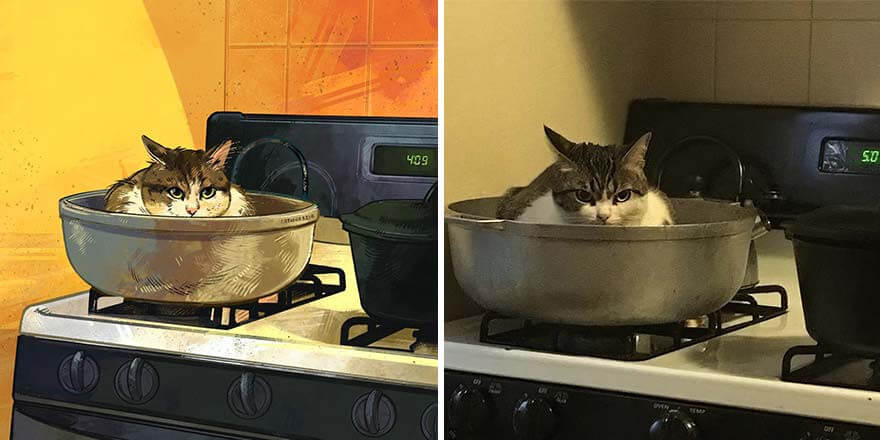
A. AI-Generated Memes: With the rise of AI image generators, we may soon see perfectly crafted, entirely fictional cat memes created by algorithms trained on thousands of existing examples.
B. Interactive and Video-First Memes: As platforms like TikTok and Reels prioritize video, memes will become more dynamic, using sound, filters, and interactive elements. The classic static image meme will likely share space with short, looping videos with integrated captions.
C. The Next Generation of Stars: While the legends like Grumpy Cat and Lil Bub have passed, new feline personalities are always emerging. The cycle of discovery, virality, and stardom will continue, ensuring that the internet’s supply of whiskered comedians never runs dry.
Conclusion: The Enduring Paw Print on Digital Culture
The funny cat meme is a cultural artifact of surprising depth and resilience. It is a perfect storm of cute animals, human psychology, and digital technology. It makes us laugh, helps us connect, and even supports charitable causes. From the simple, misspelled desires of the early LOLCats to the complex social commentary of modern templates, these memes have woven themselves into the very fabric of our online lives. They are a testament to the internet’s ability to find joy in the mundane and to build community around shared laughter. So the next time you see a picture of a disgruntled cat captioned with your exact thoughts on a Monday morning, remember you’re not just looking at a silly picture. You’re participating in a global language, a psychological phenomenon, and a multi-faceted digital culture that, much like the cats themselves, shows no signs of giving up its throne.