
Table of contents
The first snowfall of the season is a magical event, transforming the familiar world into a pristine, silent landscape. For us, it’s a spectacle to be enjoyed from a warm window with a cup of cocoa. But for a young puppy experiencing this phenomenon for the very first time, it is a moment of profound confusion, curiosity, and unadulterated wonder. Witnessing your puppy’s first snow reaction is a rite of passage for any pet owner a memory to be cherished and a event that requires thoughtful preparation. This comprehensive guide delves deep into the fascinating psychology behind your puppy’s behavior, provides a step-by-step plan for a safe and joyful introduction, and explores how to turn this wintery novelty into a season of bonding and fun.
Beyond the adorable videos and photographs lies a complex neurological and sensory experience for your canine companion. Understanding this process not only enhances the moment but also ensures you are fostering a positive and secure environment for your growing pet. We will explore the science of their reactions, the critical safety measures every owner must implement, and a wealth of activities designed to make your puppy fall in love with winter.
The Science of the Sniff: Decoding Your Puppy’s Initial Reaction
When you first open the door to that blanket of white, you are not just introducing your puppy to cold weather; you are introducing them to a completely altered sensory universe. Their reaction is a raw, unfiltered response to a barrage of new information processed by their powerful senses.
A. The Sensory Overload of a New World
A. Sight: The world your puppy knew is gone. The sharp edges of the fence, the distinct colors of the grass, and the familiar contours of the yard have been replaced by a blinding, uniform whiteness. This can be visually disorienting. Their depth perception might be temporarily off, and the sheer brightness can be startling. Some puppies may freeze, squint, or hesitate, trying to process this visual puzzle.
B. Sound: Snow acts as a natural sound absorber. The usual ambient noises distant traffic, chirping birds, rustling leaves—are muffled into an eerie silence. For a puppy whose hearing is exponentially more sensitive than our own, this acoustic shift is profound. The quiet can be either calming or unnerving, and you may see their ears twitch as they try to locate familiar sounds that have suddenly vanished.
C. Smell: This is perhaps the most significant change. A dog’s world is dictated by scent. Rain and snow cleanse the air, washing away the intricate tapestry of smells that your puppy uses as a “news bulletin” of the neighborhood. While old scents are erased, new, intriguing ones are deposited. They can smell the unique scent of snow itself (yes, snow has a smell to them!), the tracks of other animals, and the minerals in the soil now exposed by the cold. This is why the first thing many puppies do is bury their nose in the snow and take deep, investigative sniffs.
D. Touch and Temperature: The sensation of cold on their paw pads is a completely novel feeling. It’s wet, it’s chilly, and it might even be slightly painful if it’s very cold. The fluffy texture underfoot that gives way with a crunch is a new tactile experience. They will often lift their paws alternately, looking at them in confusion a behavior known as the “cold paw dance.”
B. Common Behavioral Responses and What They Mean
Every puppy is an individual, and their personality will shine through in their reaction. These behaviors are not random; they are communication.
A. The Hesitant Observer: This puppy stays on the doorstep, perhaps just putting a single paw forward before retreating. They are cautious, assessing this new environment for potential threats. This is a sign of a more thoughtful, perhaps slightly anxious, temperament. What to do: Never force them. Sit with them on the step, toss a high-value treat a short distance into the snow, and speak in a calm, encouraging voice.
B. The Zoomie King/Queen: This puppy charges out without a second thought, immediately bursting into a frenetic display of the “zoomies,” sprinting, skidding, and rolling in the snow with pure, unrestrained joy. This is an explosion of pent-up energy and euphoric confusion. What to do: Ensure the area is safe and secure, then let them enjoy it! This is a positive association in the making.
C. The Investigative Scientist: This puppy moves slowly and deliberately, sniffing every inch, nibbling at snowflakes falling from the sky, and gently pawing at snowdrifts. They are collecting data, using their primary senses to understand this new substance. What to do: Encourage this curiosity! It’s a great mental stimulation.
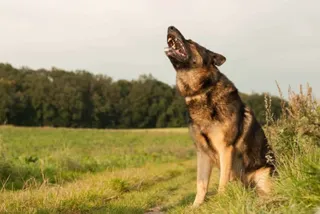
D. The Vocal Critic: Some puppies will bark, whine, or howl at the snow. They might be expressing excitement, frustration, or a demand for an explanation from you. What to do: Respond with positive reinforcement. If they bark and then engage playfully, join in. If they whine nervously, comfort them.
Preparing for the Big Day: A Safety-First Checklist
Before you unleash your puppy into this winter wonderland, a little preparation is crucial to ensure the experience is safe and not scary.
A. Health and Physical Preparation
A. Paw Care is Paramount: Your puppy’s paw pads are sensitive. Ice, rock salt, and chemical de-icers can cause cracking, cuts, and chemical burns.
* Musher’s Secret: Apply a protective wax like Musher’s Secret before going out. It creates a barrier against salt and ice balls.
* Dog Booties: For extended play or in areas with heavy salt use, booties are the best protection. Introduce them gradually indoors first.
* Post-Walk Ritual: Always wipe your puppy’s paws, legs, and belly with a warm, damp cloth after being outside. This removes any harmful residues and checks for cuts or ice accumulation between the toes.
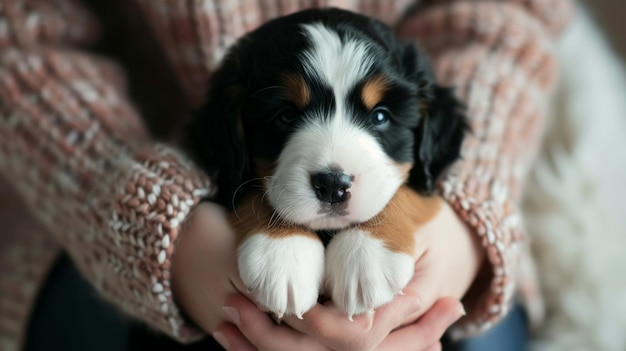
B. Consider a Canine Coat: Very young puppies, small breeds, or short-haired breeds (like Greyhounds or Chihuahuas) have less body fat and a harder time regulating their temperature. A well-fitting dog sweater or waterproof coat can make a significant difference in their comfort.
C. Nutrition and Hydration: Staying warm burns more calories. You may need to slightly increase your puppy’s food portion during the colder months, but consult your vet. Also, ensure they have access to fresh, unfrozen water at all times indoors. Eating snow is not a sufficient water source.
B. Training and Environmental Prep
A. Leash and Recall Reinforcement: Even in a fenced yard, for the first few experiences, keep your puppy on a long leash. The disorienting nature of snow can cause them to panic and run, and they might not recognize familiar boundaries. Ensure their recall command (“come!”) is reinforced with high-value treats.
B. Puppy-Proof Your Yard: Before the snow falls, do a thorough check of your yard. Secure any gaps in the fencing, put away gardening tools, and ensure there are no toxic plants or antifreeze puddles in the garage that could be accessible.
C. Visibility: With shorter days, many puppy snow adventures will happen in the dark. Equip your puppy with a reflective collar, a light-up tag, or a blinking LED collar to ensure they are visible.
The Grand Introduction: A Step-by-Step Guide
Now for the main event. How you handle this first introduction can set the tone for all future winter outings.
Step 1: The Indoor Preview
Let your puppy watch the snow fall from the safety and warmth of a window. Sit with them and use happy, excited language. “Look at the snow! It’s so pretty!” This builds positive anticipation.
Step 2: Suit Up (Both of You!)
Get your puppy’s gear on coat, booties, leash. Then put on your own coat and boots with visible excitement. Your puppy feeds off your energy. If you act like you’re embarking on a fun adventure, they will believe it.
Step 3: The First Foray
Keep it short and sweet. Go outside with them on a leash. Don’t drag them. Let them set the pace.
- If they are hesitant: Sit on a cleared step and let them observe. Let a snowflake land on their nose. Toss a piece of their favorite chicken or cheese just a foot into the snow.
- If they are excited: Go with it! Use a happy voice and encourage their play. You can run a short distance and call them to you for a treat.
Step 4: Engage in Guided Play
Make the snow itself the source of fun.
- Treat Treasure Hunt: Bury a few treats just under the surface of the snow and let them dig and sniff them out. This engages their powerful sense of smell and builds a positive association.
- Gentle Snowball Toss: Make a loose, soft snowball and gently toss it so it disintegrates in the air or on the ground near them. Never throw a hard-packed snowball directly at a puppy.
- Track Making: Walk in a pattern and encourage your puppy to follow in your footprints. This helps them with the strange footing and turns it into a game.
Step 5: Know When to Go Inside
The first session should be brief, no more than 5-10 minutes. It’s better to end on a high note when they are still having fun than to wait until they are shivering and overwhelmed. A positive, short experience is the goal.
Beyond the First Encounter: Embracing a Winter of Fun
Once your puppy is comfortable, snow can become a fantastic medium for exercise and mental stimulation.
A. Advanced Snow Games:
* Fetch in the Snow: A classic game, but with more challenge. The snow adds resistance, providing a better workout. Use a brightly colored toy so it’s easy to find.
* Build a Snow Dog!: Get creative and build a snowman or a snow-dog. Let your puppy “help” by digging nearby or watching curiously.
* Create an Obstacle Course: Use the snow to build small, gentle mounds for them to climb over or tunnels for them to run through.
B. Socialization Opportunities: Arrange a playdate with a confident, snow-savvy dog. Puppies learn brilliantly from other dogs, and seeing another canine joyfully playing in the snow can be the best encouragement possible.
C. Capturing the Moment: Have your camera ready, but don’t spend the entire experience behind a lens. Be present. Set up your phone to record video, then engage with your puppy. The most genuine reactions happen when they are interacting with you, not your camera.
Recognizing and Responding to Fear and Discomfort
While we hope for a joyful reaction, it’s vital to recognize the signs of distress.
- Signs Your Puppy is Too Cold: Vigorous shivering, whining, slowing down, lifting paws excessively, seeking shelter, or anxious looking for the door. If you see these, it’s time to go in immediately.
- Handling a Truly Fearful Puppy: If your puppy is terrified, do not coddle them with a fearful tone, as this can reinforce the fear. Instead, be a calm, confident leader. Pick them up if necessary, bring them inside, and try again later for a much shorter period. Patience is key. For some puppies, it may take several brief, positive exposures before they feel comfortable.
Breed-Specific Considerations in the Snow
It’s important to remember that not all dogs are built the same. A puppy’s breed can heavily influence their reaction and resilience to cold.
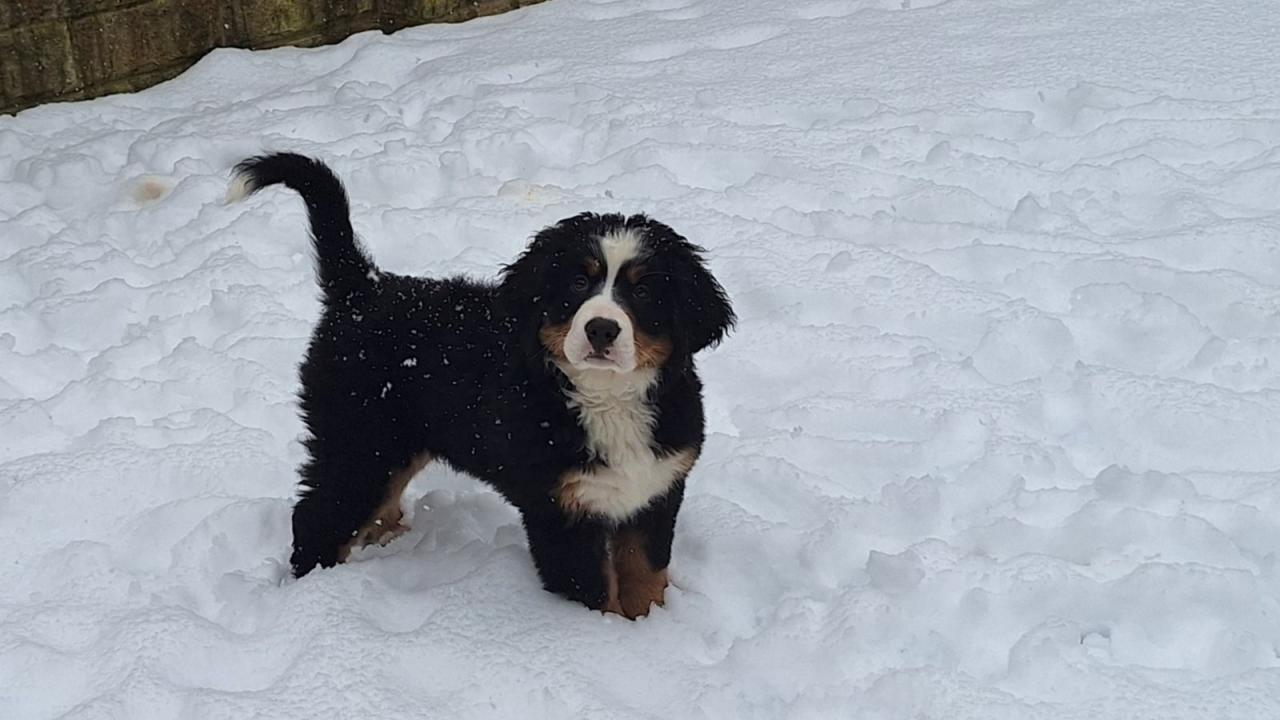
- Cold-Weather Breeds (Siberian Huskies, Alaskan Malamutes, Samoyeds, Bernese Mountain Dogs, St. Bernards, Newfoundlands): These breeds, bred for arctic conditions, will often feel right at home. Their double coats, thick paw pads, and body composition make them natural snow lovers. They can stay out longer but still need supervision.
- Short-Haired and Small Breeds (Chihuahuas, French Bulldogs, Greyhounds, Dachshunds, Boxers): These puppies have minimal natural insulation. They will feel the cold much more intensely and require coats, booties, and very limited time outdoors in freezing temperatures.
- Breeds with Low Body Fat (Whippets, Italian Greyhounds): Similar to short-haired breeds, they are extremely vulnerable to the cold and require significant protection.
Conclusion: A Foundation for a Lifetime of Winter Joy
Your puppy’s first snow is more than just a cute photo opportunity; it is a foundational moment in their development and your relationship. By understanding the science behind their behavior, prioritizing their safety, and guiding them with patience and positivity, you are doing more than just introducing them to snow. You are teaching them that new experiences, while sometimes strange, can be sources of immense joy and discovery when faced with you by their side. You are building their confidence and trust in you as their guide. So, embrace the cold, capture the moments of pure, unbridled puppy joy, and rest assured that you have successfully navigated one of the most memorable milestones in your journey together, setting the stage for many happy, snowy winters to come.