Table of contents
If you’ve spent any time on the internet recently, you’ve undoubtedly encountered it: a large, brown, barrel-shaped rodent lounging in a hot spring, serenely listening to jazz music, or nonchalantly allowing a small bird to perch on its head. This is the capybara, and it has effortlessly paddled its way into the heart of global internet culture. What was once a relatively obscure animal native to South America has exploded into a viral sensation, becoming a ubiquitous meme, a spirit animal for a generation, and a symbol of a much-needed chill. But what is the story behind this sudden and enduring fame? This ultimate guide dives deep into the world of the capybara, exploring its biology, the key moments that launched it to stardom, and the psychological reasons why this gentle giant has become the internet’s most unlikely and beloved icon.
A. Understanding the Capybara: The World’s Largest Rodent
Before we unravel its digital fame, it’s crucial to understand the animal itself. The capybara (Hydrochoerus hydrochaeris) is a creature of fascinating contradictions, which partly explains its appeal.
A. Scientific Classification and Habitat
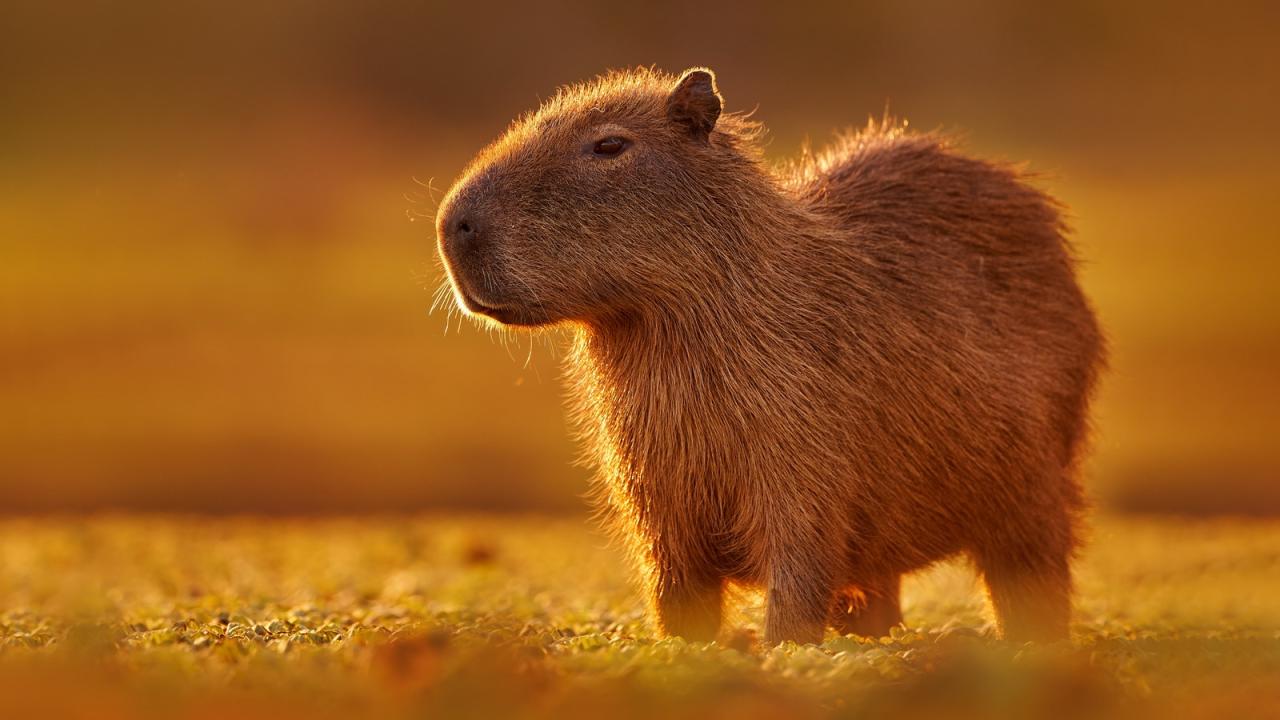
Scientifically, capybaras are the world’s largest rodents. They are semi-aquatic mammals, perfectly adapted to life in and around water in South America’s savannas and dense rainforests, ranging from Panama to northeastern Argentina. Their very name comes from the Tupi language, spoken by indigenous people in Brazil, and translates to “grass eater,” which perfectly describes their primary diet.
B. Physical Characteristics and Adaptations
An adult capybara can weigh up to 150 pounds and measure over 4 feet in length. Their physical design is a masterpiece of evolution for an amphibious lifestyle:
- Webbed Feet: Their partially webbed toes make them powerful and agile swimmers, allowing them to evade predators like jaguars, anacondas, and caimans.
- Sensory Placement: Their eyes, ears, and nostrils are located high on their heads, enabling them to remain almost completely submerged in water while keeping watch for danger—a trait that contributes to their famously calm demeanor.
- Ever-Growing Teeth: Like all rodents, their teeth grow continuously, and they wear them down by grazing on grasses and aquatic plants.
C. Social Structure: The Original “Chill Vibes” Community
Perhaps the most critical aspect of their biology, in terms of their viral appeal, is their social nature. Capybaras live in groups, typically of 10 to 20 individuals, but sometimes as large as 100. They are highly communicative, using a variety of purrs, whistles, barks, and squeaks. This communal, peaceful coexistence is a core part of their charm, often mirrored in viral videos showing them harmoniously cohabiting with a menagerie of other species.
B. The Anatomy of a Viral Star: Key Moments in the Capybara’s Rise to Fame
The capybara’s internet dominance wasn’t an overnight accident. It was a slow, steady burn fueled by a series of key viral moments that showcased its unique personality.
A. The “I’m a Capybara” Song and the TikTok Takeover
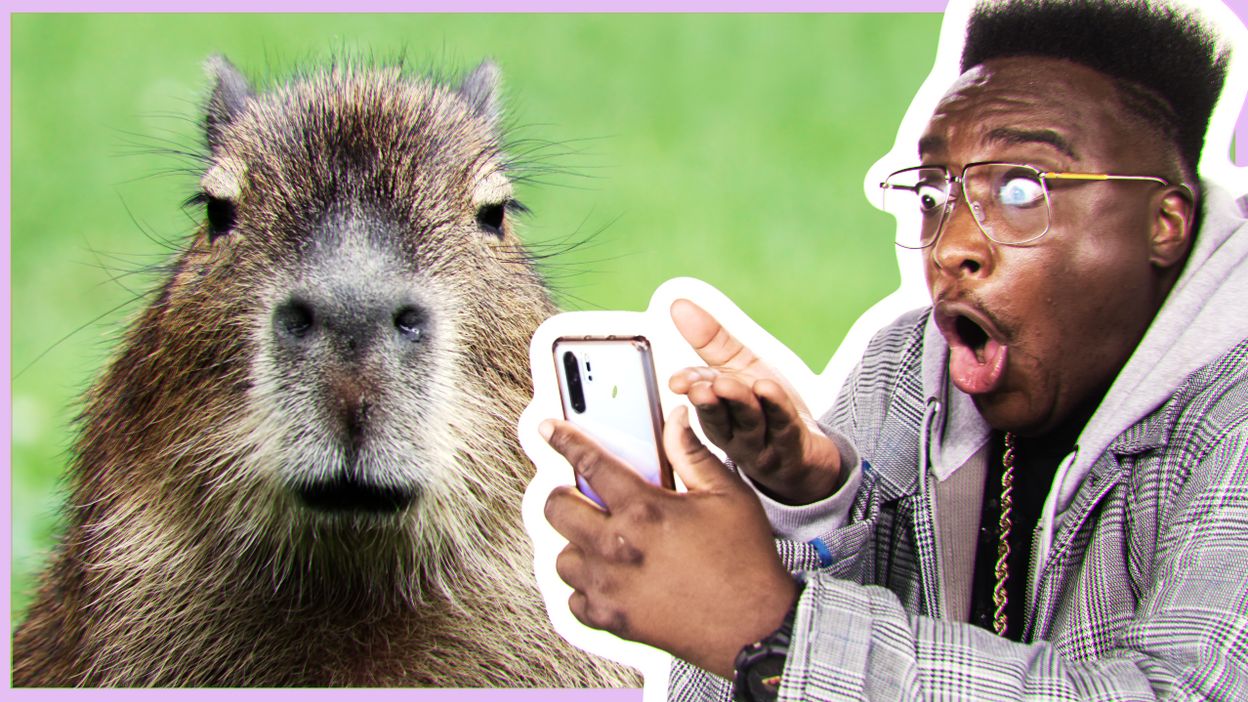
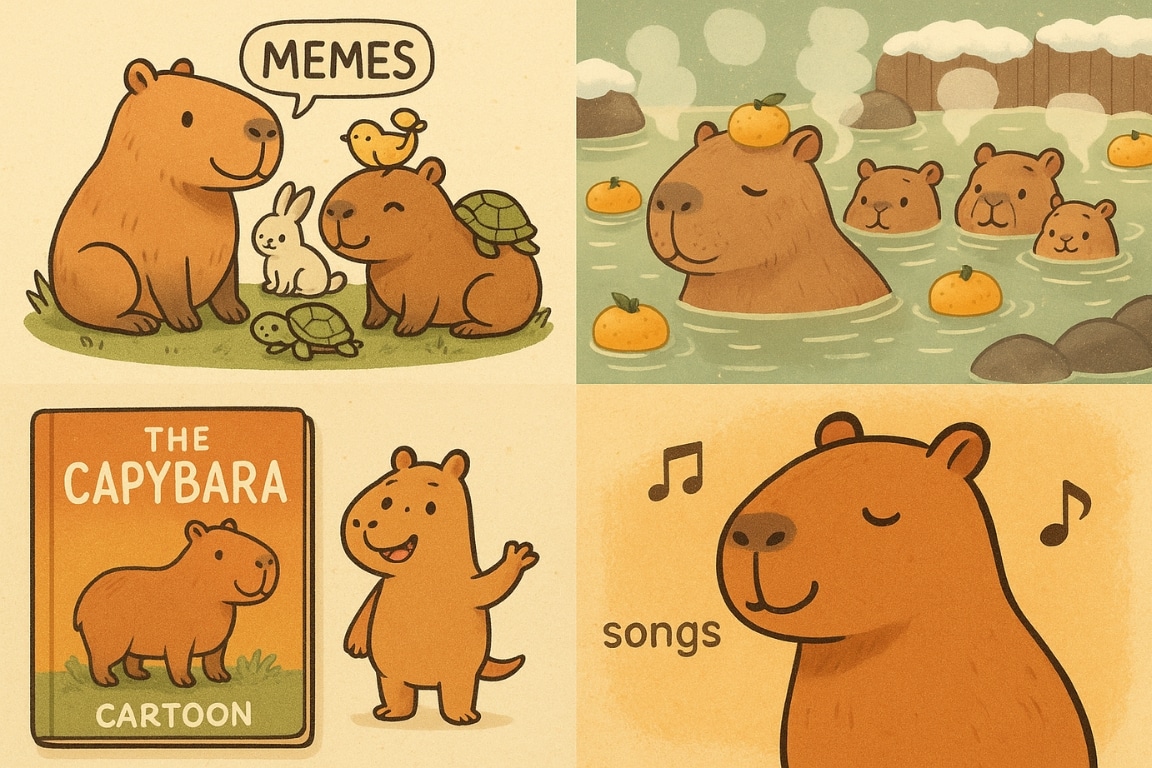
While capybaras had a niche following for years, their explosion into the mainstream can be largely attributed to a single, bizarrely catchy sound on TikTok. The “I’m a Capybara” song, created by a Russian children’s musician known as Slava Marlow, features a simple, repetitive electronic beat and a child’s voice chanting the lyrics. The song’s absurdity was the perfect match for the capybara’s unbothered appearance. TikTok users began pairing the track with videos of capybaras doing absolutely nothing extraordinary—just existing. This juxtaposition of a high-energy song with a supremely placid animal created a comedic goldmine and introduced the capybara to millions.
B. The “Ok I Pull Up” Meme and its Cultural Permeation
A direct offshoot of the song, the phrase “Ok I pull up” from the lyrics became a standalone meme. It evolved to signify arriving calmly to a chaotic situation, gracefully entering a conversation, or simply adopting a capybara’s unflappable attitude towards life’s problems. This phrase transcended animal videos and was applied to politics, pop culture, and everyday scenarios, cementing the capybara’s status as a shorthand for cool-headedness.
C. The Aesthetic of Serenity: Hot Springs and Yuzu Baths
Japanese zoos and wildlife parks played a significant role by sharing idyllic footage of capybaras enjoying traditional yuzu baths (citrus fruit baths) during the winter. These videos, often set to relaxing music, depict the animals soaking in steaming outdoor onsens with looks of pure, unadulterated bliss on their faces. This content tapped into a global desire for relaxation and self-care, positioning the capybara not just as a funny animal, but as a master of the art of wellness.
D. Interspecies Friendships: The Ultimate Animal Influencer
The internet has an insatiable appetite for unlikely animal friendships, and the capybara is the undisputed king of this genre. Countless videos and photos show capybaras acting as a peaceful “island” for birds, monkeys, turtles, and even crocodiles. A capybara will calmly sit while birds pick ticks from its fur (a symbiotic relationship), and it rarely shows aggression. This perceived role as a universal, tolerant friend reinforces its image as the world’s most easygoing creature.
C. Beyond the Meme: The Deeper Psychological Appeal
The capybara’s virality isn’t just about funny videos; it’s deeply connected to modern human psychology and our collective state of mind.
A. The Embodiment of “Chill”: An Antidote to Modern Anxiety
In a world characterized by constant connectivity, information overload, and societal pressure, the capybara represents the antithesis of stress. Its serene expression, its slow, deliberate movements, and its ability to remain unbothered by the world around it offer a powerful form of digital escapism. People aren’t just watching a capybara; they are, for a moment, inhabiting its state of mind. It has become a furry, four-legged mindfulness coach.
B. Relatability in a Strange Package
Despite being an exotic animal, the capybara’s behavior is strangely relatable. The way it lounges in water for hours is the animal equivalent of a long, relaxing bath. Its expression while eating its favorite food mirrors human joy. Its tendency to nap in a pile with its friends evokes our own desire for community and comfort. We see our own idealized, relaxed selves in this creature.
C. The Appeal of the “Ugly-Cute” Aesthetic
Internet culture has a soft spot for things that are unconventionally cute. The capybara, with its blunt face, large rectangular head, and seemingly expressionless eyes, fits perfectly into the “ugly-cute” category. It’s not conventionally beautiful like a puppy or a kitten, but its unique appearance is endearing and memorable, making it stand out in a crowded digital landscape.
D. A Symbol of Inclusivity and Peace
The capybara’s documented ability to get along with virtually every other species it encounters has not gone unnoticed. Online, it has been adopted as a symbol of peace, tolerance, and inclusivity. In a time of deep social and political division, the image of a capybara coexisting with potential predators and competitors is a powerful, albeit simplistic, metaphor for a more harmonious world.
D. The Capybara in the Digital Economy and Pop Culture
The capybara’s fame has transcended memes to become a tangible force in marketing, commerce, and entertainment.
A. The Merchandising Boom
Where there’s a viral trend, there’s merchandise. The capybara’s likeness now adorns a vast array of products. A quick search online reveals capybara plush toys, t-shirts, phone cases, mugs, and stickers. Its simple silhouette and friendly face make it a highly marketable image, appealing to a wide demographic.
B. Social Media as a Conservation Tool
This surge in popularity has had a positive side effect: increased awareness about the species. While capybaras are not currently endangered, they face threats from habitat loss and hunting in some regions. Their viral status has driven traffic to wildlife conservation sites and zoological parks. Educational content about their behavior and ecology now reaches a much wider audience than ever before, using their fame as a gateway to broader environmental education.
C. Brand Marketing and the Capybara Cool Factor
Forward-thinking brands have been quick to capitalize on the capybara’s cool, calm, and collected image. From wellness apps using capybara imagery to promote meditation to travel companies featuring them in ads for tropical getaways, the capybara aesthetic is being used to sell a lifestyle of relaxation and effortless cool.
E. Ethical Considerations and Responsible Fandom
As with any animal that becomes an internet star, the capybara’s fame brings with it a set of ethical responsibilities for its human admirers.
A. The Wild Animal vs. The Pet
One of the most significant impacts of viral animal trends is the misguided desire to own the animal as a pet. It is crucial to understand that capybaras are not domestic pets. They are wild animals with complex social, dietary, and spatial needs. In most places, it is illegal to own one without special permits, and even then, they require vast amounts of space, a constant water source for swimming, and the company of other capybaras to thrive. The ethical and practical challenges of keeping a capybara are immense, and they can live for 8-10 years in captivity.
B. Supporting Conservation from Afar
The best way to express your love for capybaras is to support them from a distance. This means:
- Enjoying content from reputable sources like zoos, sanctuaries, and wildlife documentarians.
- Donating to organizations working to protect South American wetlands and rainforests.
- Spreading awareness about why they belong in the wild or in professional, ethical care.
C. The Future of the Trend
Internet trends are notoriously fickle. However, the capybara has demonstrated a surprising staying power. Its appeal is not based on a single, fleeting joke but on a deeper, more resonant set of values serenity, community, and peace. While the specific memes may evolve, the capybara’s position as the internet’s official mascot for “chill” seems secure for the foreseeable future. It has moved beyond a trend and cemented itself as a permanent, beloved fixture of online culture.
Conclusion: The Enduring Legacy of the Internet’s Chillest Rodent
The capybara’s journey from a South American grassland to the glowing screens of millions is a perfect case study of 21st-century fame. It is a story that intertwines biology, social media algorithms, and the profound, collective yearning for a simpler, more peaceful existence. The capybara did not become famous for performing tricks or displaying extraordinary intelligence; it became famous simply for being itself. In its quiet, unassuming way, the capybara has given us a new ideal to aspire to: the ability to remain calm, to be a good friend, and to find joy in the simple act of soaking in a warm bath. It is a gentle reminder that sometimes, the most powerful statement is to simply be, unbothered and at peace, as the world buzzes around you.