Table of contents
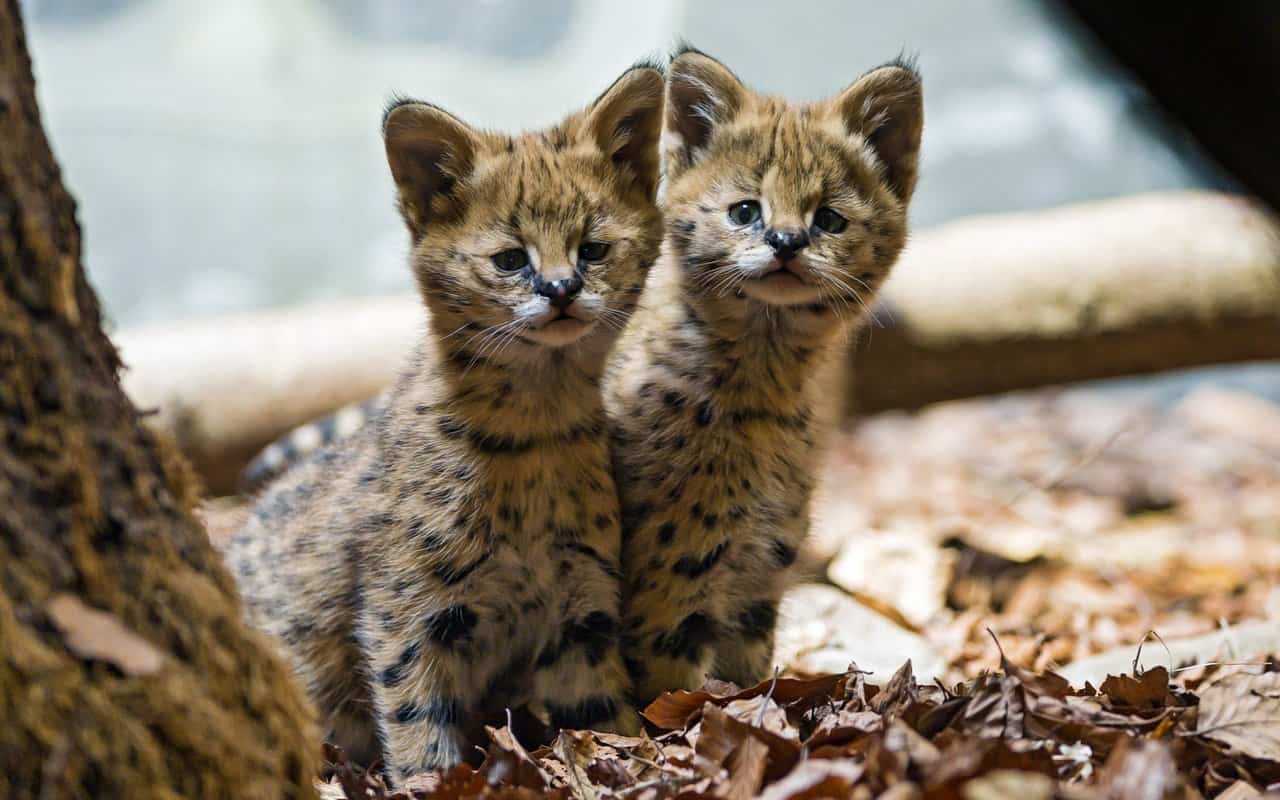
The image is undeniably captivating: a sleek serval cat lounging on a modern sofa, a colorful macaw perched on an adventurer’s shoulder, or an intelligent capuchin monkey mimicking human actions in a viral video. This growing fascination with exotic pets, fueled by social media and a desire for a unique companion, has created a booming global trade. However, behind the curated photos and captivating videos lies a starkly different reality one fraught with significant danger, ethical quandaries, and profound consequences for the owner, the animal, and the environment.
This article delves deep into the multifaceted perils of exotic pet ownership, moving beyond superficial warnings to explore the complex web of physical risks, zoonotic diseases, animal welfare crises, ecological impacts, and legal nightmares. Our goal is not to shame but to inform, providing a crucial resource for anyone considering bringing an exotic animal into their home or who is simply curious about the true cost of this trend.
A. Defining the “Exotic Pet” and Understanding the Scale
An “exotic pet” is broadly defined as any animal that is not a commonly domesticated species. This encompasses a vast and diverse range of creatures, including:
- Reptiles: Large snakes (pythons, boas), lizards (iguanas, monitors), and tortoises.
- Amphibians: Poison dart frogs, salamanders.
- Birds: Parrots, toucans, and birds of prey.
- Mammals: Primates (marmosets, capuchins), large cats (servals, caracals), foxes, skunks, sugar gliders, and hedgehogs.
- Arachnids and Insects: Tarantulas, scorpions, and giant stick insects.
The global exotic pet trade is a multi-billion dollar industry, often operating in a legal gray area and sometimes spilling over into blatant illegality. It is estimated that millions of exotic animals are kept in private homes worldwide, a number that often surpasses the capacity of zoos and sanctuaries. This scale of private ownership creates a cascade of systemic problems that we will now explore in detail.
B. The Direct Physical Dangers to Owners and the Public
Perhaps the most immediate and visceral danger is the threat of physical harm. Wild animals, by their very nature, are unpredictable and possess instincts and capabilities far beyond those of domesticated dogs or cats.
A. The Unpredictable Nature of Wild Instincts
Domestication is a process that occurs over thousands of years, selectively breeding animals for traits like tameness and compatibility with humans. Exotic animals have undergone no such process. A monkey cuddled as a baby can become aggressive upon reaching sexual maturity. A large snake may see a human as prey or a threat based on its innate feeding response. These are not acts of malice but of instinct, and no amount of bonding can erase millions of years of evolutionary programming.
B. Severe Injury from Bites, Scratches, and Constriction
The potential for injury is severe and varies by species:
- Large Cats and Canines: Animals like servals or foxes possess powerful jaws and sharp claws capable of inflicting deep lacerations, puncture wounds, and severe mauling injuries. A single bite can cause significant tissue damage and risk major infection.
- Primates: Primate bites are notoriously dangerous due to the bacteria in their mouths and their incredible strength. They can also scratch and grab with surprising force, leading to serious wounds and potential permanent disfigurement.
- Large Reptiles: Constrictor snakes like Burmese pythons or reticulated pythons can grow to immense sizes. There are numerous documented cases of these animals killing their owners or children through constriction, mistaking them for food or perceiving them as a threat. Large monitor lizards possess sharp teeth and claws and a powerful tail that can be used as a whip.
- Birds: Large parrots like Macaws and Cockatoos have powerful beaks designed to crack open hard nuts. They can easily fracture fingers or cause severe lacerations.
C. The Escaped Animal Phenomenon and Public Safety Threats
Enclosures can fail, cages can be left unlatched, and animals can be clever escape artists. An escaped serval, venomous snake, or monkey poses a direct threat to neighbors, their pets, and the local community. These incidents often end tragically, with the animal being shot or captured under extreme duress, creating a public safety crisis that could have been avoided.
C. The Silent Threat: Zoonotic Diseases and Human Health
Beyond immediate physical injury, exotic pets can be reservoirs for zoonotic diseases—illnesses that can be transmitted from animals to humans. This risk is often underestimated and poorly understood by prospective owners.
A. The Spillover Effect and Novel Pathogens
The close proximity between a wild animal and a human host creates a perfect environment for pathogen spillover. Many of the world’s most devastating pandemics, including COVID-19, HIV, and Ebola, are believed to have originated from animal reservoirs. The exotic pet trade, which involves capturing, transporting, and housing diverse species in stressful conditions, acts as a potential incubator for the next novel pathogen.
B. Common Zoonotic Diseases from Exotic Pets
- Salmonellosis: Perhaps the most well-known risk, particularly from reptiles like turtles, iguanas, and snakes. Salmonella bacteria live naturally in their digestive tracts and are shed in their feces, easily contaminating their skin, enclosures, and any surface they touch. Children, the elderly, and immunocompromised individuals are especially vulnerable to severe, sometimes fatal, infections.
- Herpes B Virus (Macacine alphaherpesvirus 1): Carried by macaque monkeys, this virus is relatively harmless in its natural host but is extremely dangerous to humans, with a fatality rate of over 70% if untreated. Transmission can occur through a bite, scratch, or exposure to the animal’s bodily fluids.
- Tuberculosis: Primates and some birds can carry and transmit tuberculosis to humans.
- Leptospirosis: Transmitted through the urine of infected animals, including many mammals kept as pets, this bacterial infection can cause liver and kidney damage.
- Rabies: While commonly associated with dogs, any mammal, including foxes, skunks, and raccoons kept as pets, can carry and transmit the rabies virus, which is almost always fatal once symptoms appear.
- Parasitic Infections: Internal and external parasites like ticks, mites, and worms can easily transfer from an exotic pet to its human caretakers.
C. The Challenge of Diagnosis and Treatment
Many veterinarians are not trained to treat exotic species, and similarly, many physicians are not trained to recognize zoonotic diseases originating from them. An illness caused by a novel pathogen from an exotic pet could be misdiagnosed for critical periods, allowing it to progress or spread.
D. The Profound Animal Welfare Crisis
While the dangers to humans are significant, the suffering inflicted upon the animals themselves is arguably the greatest tragedy of the exotic pet trade.
A. Specialized Dietary and Environmental Needs
Meeting the needs of a wild animal in a domestic setting is nearly impossible. Their requirements are highly specific and difficult to replicate:
- Nutrition: Many exotic pets have complex diets that are difficult to source and prepare. For example, some reptiles require specific ratios of calcium and phosphorus and exposure to specialized UVB lighting to synthesize vitamins, without which they develop metabolic bone disease—a painful and crippling condition.
- Habitat: An arboreal monkey needs space to climb and forage. A burrowing animal needs deep substrate to dig. A large snake may require an enclosure the size of an entire room. Most owners cannot provide these conditions, leading to animals living in cramped, barren, and stressful environments.
B. Psychological Distress and Behavioral Stereotypies
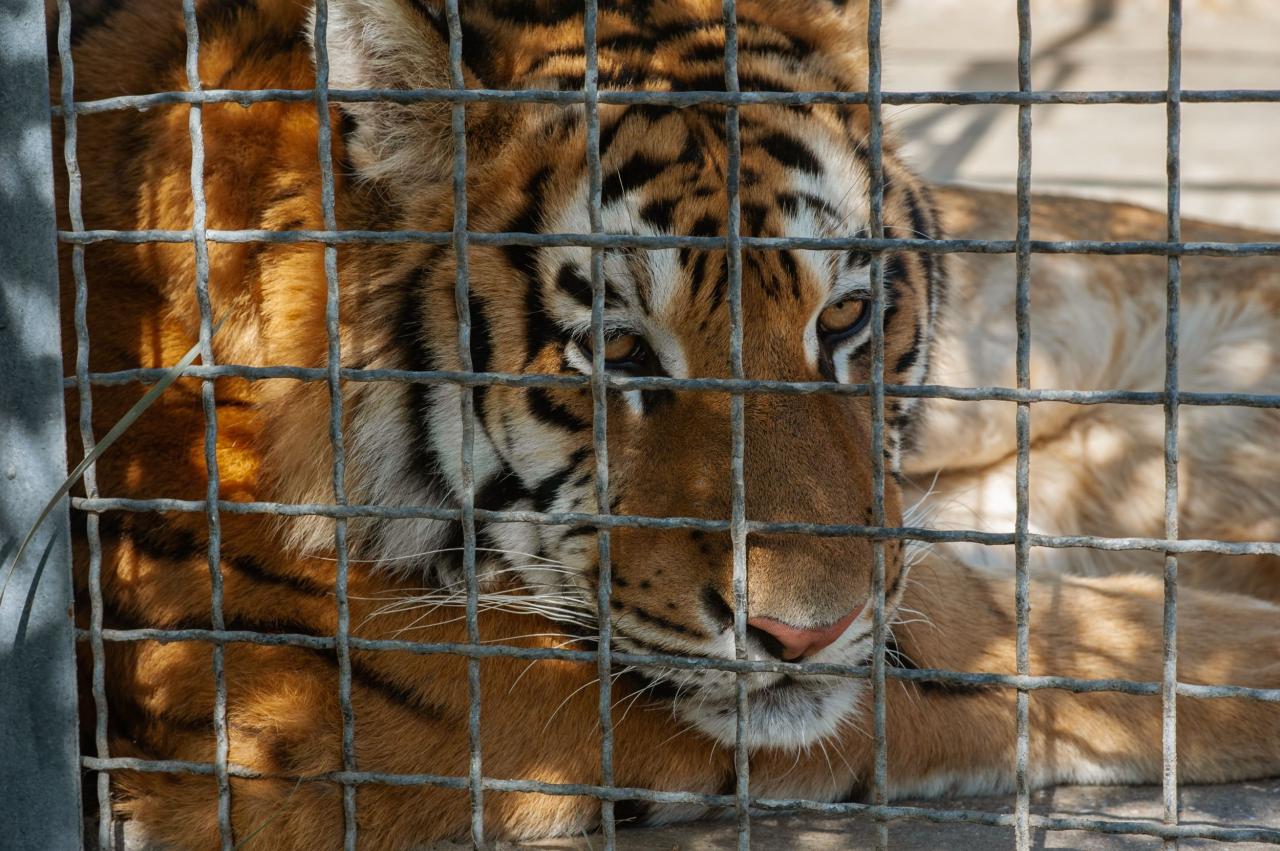
Wild animals have complex behavioral needs, including social structures, foraging activities, and territorial ranges. Deprivation of these needs leads to severe psychological distress, often manifesting as stereotypies—repetitive, invariant behaviors with no apparent function. These include:
- Pacing
- Bar biting
- Head bobbing or circling
- Over-grooming to the point of self-mutilation
These are clear signs of mental anguish and a poor quality of life.
C. The Problem of Improper Socialization and Loneliness
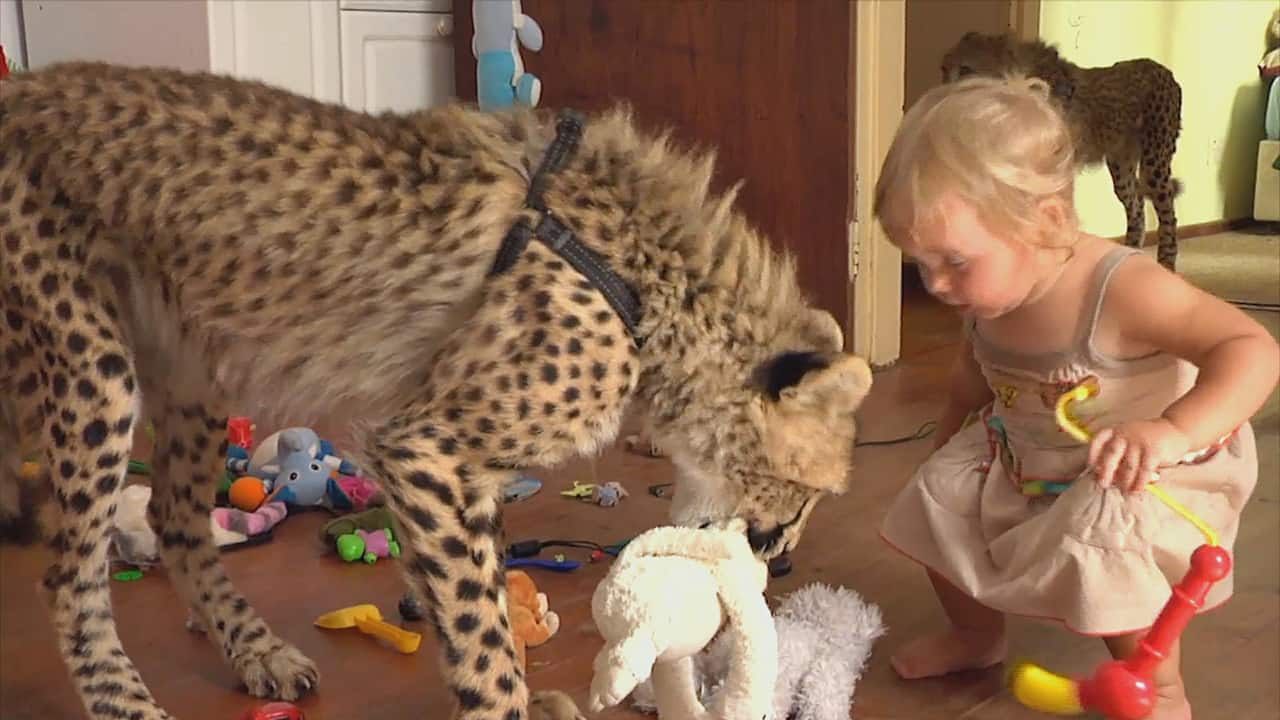
Many exotic animals are highly social. Primates, parrots, and many other species live in large, complex troops or flocks in the wild. Isolating them in a human home is profoundly cruel, leading to depression, anxiety, and increased aggression.
D. The Sanctuary Overload and Abandonment
When owners can no longer handle their exotic pet due to the animal’s size, aggression, cost, or the owner’s changing life circumstances the outcomes are often dire. Zoos do not accept former pets. The result is often abandonment in the wild (where non-native species suffer and die or become invasive) or surrender to an already overburdened network of rescue sanctuaries. These sanctuaries operate on limited resources and are often filled to capacity, struggling to care for the constant influx of “unwanted” exotic pets.
E. The Ecological and Conservation Consequences
The demand for exotic pets has a devastating ripple effect that extends far beyond the individual animal’s cage, impacting global biodiversity and ecosystem health.
A. Decimation of Wild Populations
The illegal wildlife trade is one of the largest illicit trades in the world, second only to drugs and arms. Many species are captured directly from the wild to supply the pet market, leading to dramatic population declines. For example, the trafficking of certain tortoise, parrot, and reptile species has pushed them to the brink of extinction in their native habitats.
B. The Brutality of the Capture and Supply Chain
The journey from the wild to a living room is brutal. It is estimated that for every animal that survives to be sold, many more die during capture, confinement, or transport. They are often packed in inhumane conditions, deprived of food and water, and subjected to extreme stress, leading to high mortality rates.
C. The Threat of Invasive Species
Released or escaped exotic pets can establish populations in non-native environments, becoming invasive species. Without natural predators, they can outcompete native wildlife for resources, introduce diseases, and disrupt local ecosystems. The Burmese python population in the Florida Everglades is a classic and catastrophic example, where released pets have decimated native mammal and bird populations.
F. The Legal and Ethical Quagmire
Navigating the legal landscape of exotic pet ownership is a complex and often confusing endeavor, fraught with ethical dilemmas.
A. A Patchwork of Inconsistent Laws
Laws regarding exotic pet ownership vary dramatically by country, state, and even municipality. What is legal in one area may be strictly prohibited next door. This patchwork creates confusion and can lead to well-meaning owners inadvertently breaking the law. Key regulatory frameworks include:
- CITES (Convention on International Trade in Endangered Species): An international agreement to ensure trade does not threaten species’ survival. However, it regulates trade, not private ownership.
- The Endangered Species Act (ESA) in the U.S.
- Local and State Bans: Many cities and states have their own lists of prohibited animals.
B. The Ethical Question: Do We Have the Right?
Beyond legality lies a deeper ethical question. Is it morally justifiable to remove a wild animal from its natural habitat or breed it in captivity for our amusement? This practice prioritizes human desire over the intrinsic welfare and freedom of a sentient being, confining it to a life that cannot meet its biological or psychological needs.
G. The Overwhelming Financial and Time Commitments
The initial purchase price of an exotic animal is often the smallest expense. The long-term financial and time burdens are immense and frequently underestimated.
A. Prohibitive Costs of Care
- Specialized Veterinary Care: Finding a vet who treats exotics is difficult, and their services are significantly more expensive than for a cat or dog. Diagnostic tests, surgeries, and medications are costlier.
- Enclosure Construction: Building a secure, climate-controlled, and species-appropriate habitat can cost thousands of dollars.
- Specialized Diet: Sourcing fresh, specific, or live food is a continuous and expensive endeavor.
- Insurance and Liability: Many homeowners’ insurance policies will not cover properties with certain exotic pets, and the owner assumes full liability for any damage or injury caused by the animal.
B. The 24/7 Time Investment
Caring for an exotic pet is not a hobby; it is a lifestyle. The daily cleaning, feeding, enrichment, and monitoring required can be all-consuming. Many of these animals have lifespans that rival or exceed humans (some parrots and tortoises can live 50-80 years), creating a lifelong commitment that many owners are not prepared to uphold.
H. Responsible Alternatives to Exotic Pet Ownership
For those who are passionate about wildlife, there are numerous fulfilling and ethical ways to engage with exotic animals without contributing to the problems of the pet trade.
A. Volunteering at Wildlife Sanctuaries and Rehabilitation Centers
These organizations are always in need of dedicated volunteers. This work provides hands-on experience with wildlife in a setting that prioritizes the animals’ welfare, often caring for victims of the pet trade.
B. Supporting Conservation Organizations
Donating to or fundraising for reputable conservation groups working to protect species in their natural habitats has a direct and positive impact on wildlife populations.
C. Visiting Accredited Zoos and Aquariums
Modern, accredited (e.g., by the AZA) zoos and aquariums are dedicated to conservation, education, and species survival plans. They provide an opportunity to observe and learn about exotic animals in environments designed to meet their needs, all while supporting broader conservation goals.
D. Consider Fostering or Adopting a Domestic Animal
Thousands of domesticated cats, dogs, and other small animals are in shelters desperate for loving homes. Adopting a domestic pet is a responsible and rewarding way to experience the joys of animal companionship.
Conclusion: A Choice for Compassion and Responsibility
The allure of the exotic is powerful, but it is a siren’s call that leads to a dangerous and unethical shore. The dangers of exotic pet ownership are not isolated incidents but are inherent to the practice itself. They form a interconnected web of physical risk, public health concerns, profound animal suffering, ecological damage, and legal complications.
True animal lovers express their passion through respect for the wildness of these creatures, not through possession. By choosing to admire exotic animals from a distance, supporting their conservation in the wild, and opening our homes to domesticated animals in need, we make a choice that is safer, more ethical, and ultimately, more humane. The well-being of these magnificent animals, our own safety, and the health of our planet depend on the conscious decision to let wildlife remain wild.