Table of contents
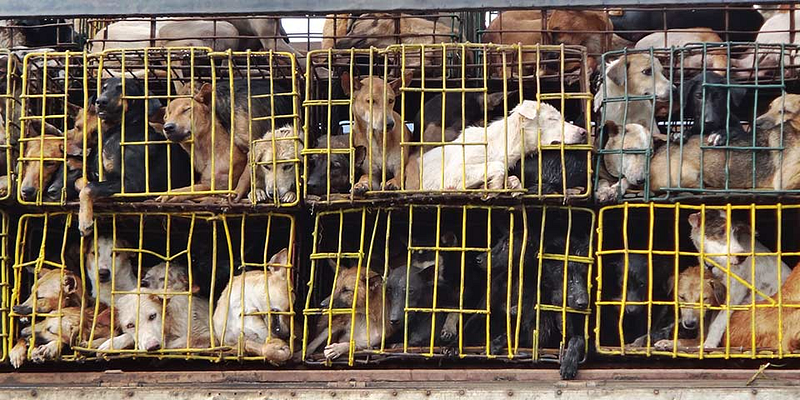
The image of a lonely dog scrounging for food in an alleyway or a skittish cat darting behind a dumpster is a universal one, a silent testament to a global crisis unfolding on our streets. The stray animal overpopulation crisis is not merely a matter of a few homeless pets; it is a complex, self-perpetuating cycle of suffering with profound implications for animal welfare, public health, community safety, and municipal finances. It is a problem of staggering scale: the World Health Organization estimates there are over 200 million stray dogs alone worldwide, with countless millions more cats and other animals living without homes. This is not an issue with a simple villain or an easy solution. It is a multifaceted challenge born from human action and inaction, and it demands a comprehensive, compassionate, and strategic response. This article delves deep into the root causes, the far-reaching consequences, and the most effective, humane strategies we must employ to break this cycle and create a world where every animal has a place to call home.
The Vicious Cycle: Understanding the Root Causes of Overpopulation
To solve a problem, one must first understand its origins. The stray animal population is not a static group; it is a rapidly expanding system fueled by several key factors.
A. Irresponsible Pet Ownership and Pet Abandonment
This is arguably the primary engine of the crisis. The decision to bring an animal into one’s home is a significant commitment, yet it is often made impulsively.
- Lack of Commitment: People may acquire a puppy or kitten without fully considering the 15-20 year commitment, the financial costs of veterinary care, food, and training, or the lifestyle changes required. When the novelty wears off or life circumstances change (a move, a new baby, financial hardship), the animal is often the first “expense” to be cut, leading to abandonment.
- Failure to Spay and Neuter: Perhaps the most critical failure is the neglect of spaying (for females) and neutering (for males). A single unaltered pair of cats and their offspring can produce a theoretical 420,000 cats in just seven years. For dogs, the number, while lower, is still astronomically high. Pets allowed to roam freely, even if they return home, contribute directly to the stray population.
- The “Free to a Good Home” Pitfall: While well-intentioned, giving away animals for free, particularly online, can place them in risky situations without proper screening. These animals may end up with owners who are equally unprepared, used for breeding in puppy mills, or as bait animals in dogfighting rings, ultimately leading to more neglect and abandonment.
B. Uncontrolled Breeding of Existing Stray Populations
Once a population of strays is established, it becomes a self-sustaining system. Stray animals, driven by instinct, will breed continuously.
- High Reproductive Rates: Stray cats, in particular, are reproductively efficient. They can become pregnant as early as four months old and can have two to three litters per year. Stray dogs also breed prolifically. Without human intervention, these populations grow at an exponential rate, far outpacing any natural mortality.
- The Formation of Feral Colonies: Over time, stray animals, especially cats, become feral meaning they are not socialized to humans and live completely wild. These colonies establish territories and become permanent features of the urban and rural landscape, continuously adding to the population.
C. The Puppy Mill and Irresponsible Breeding Industry
The commercial breeding industry is a massive contributor to the problem. Puppy mills are facilities that prioritize profit over animal welfare, breeding dogs in deplorable, overcrowded conditions.
- Flooding the Market: These mills produce a constant stream of puppies for pet stores and online sales. This oversupply reduces the perceived value of animals and directly competes with shelter pets, slowing adoption rates.
- Health and Behavioral Issues: Puppies from mills often come with congenital health problems and poor socialization, leading to high veterinary bills and behavioral challenges for unsuspecting owners. This often results in the animal being surrendered to a shelter when the owner can no longer cope.
D. Lack of Adequate Legislation and Enforcement
In many regions, animal welfare laws are weak, poorly defined, or simply not enforced.
- Insufficient Regulations: There may be a lack of mandatory spay/neuter laws for pets, licensing requirements that encourage sterilization, or bans on the sale of animals in pet stores.
- Weak Anti-Cruelty Laws: Laws against abandonment and neglect may carry minimal penalties, failing to act as a deterrent. Without a strong legal framework, irresponsible behavior goes unchecked.
The Domino Effect: Consequences of Unchecked Overpopulation
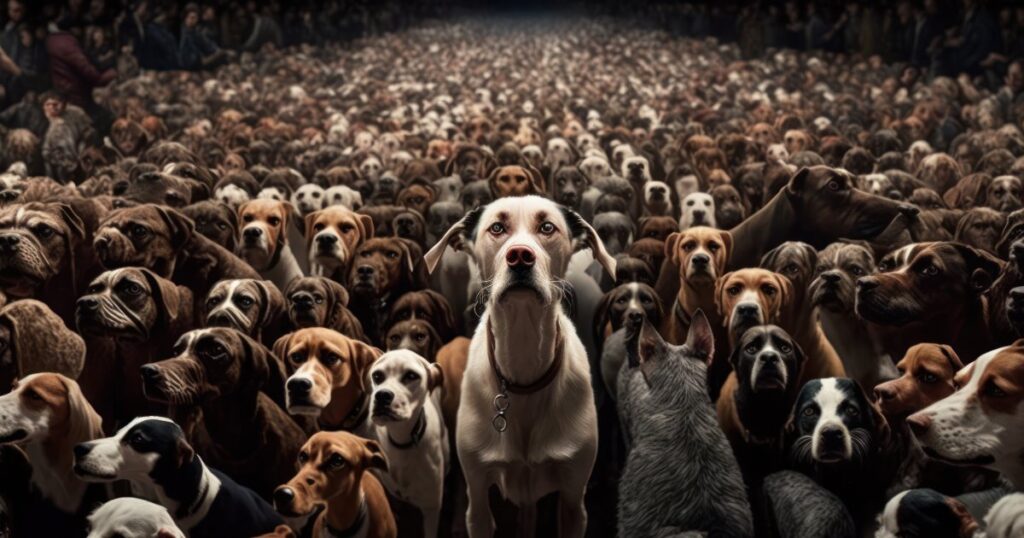
The impact of millions of homeless animals ripples outwards, affecting not just the animals themselves, but entire communities and ecosystems.
A. Animal Suffering: A Life of Hardship and Fear
The life of a stray animal is typically short, brutal, and filled with suffering.
- Starvation and Dehydration: Finding consistent, nutritious food and clean water is a daily struggle. Many strays suffer from malnutrition and its related health problems.
- Disease and Injury: Stray populations are hotbeds for disease, including rabies, parvovirus, distemper, and feline leukemia. They suffer from untreated injuries from fights, accidents, and abuse. Parasites like fleas, ticks, and worms run rampant.
- Psychological Trauma: These animals live in a constant state of stress and fear, leading to anxiety, aggression, and a diminished quality of life. The mortality rate for stray kittens and puppies is devastatingly high.
B. Public Health and Safety Risks
Large populations of stray animals pose tangible risks to human communities.
- Zoonotic Diseases: Strays can transmit diseases to humans (zoonoses). Rabies is the most feared, but others include leptospirosis, toxoplasmosis, and various parasitic infections.
- Animal Attacks and Bites: While most strays avoid humans, those that are hungry, sick, or cornered may bite or attack. This is a significant concern, especially for children. Dog bites from uncontrolled strays are a serious public health issue in many parts of the world.
- Traffic Hazards: Stray animals on roads are a major cause of traffic accidents, leading to vehicle damage, human injury, and the death of the animal.
C. Environmental and Ecological Impact
The presence of large numbers of predatory domestic animals can disrupt local ecosystems.
- Predation on Wildlife: Free-roaming cats are estimated to kill billions of birds, mammals, and reptiles each year, having a significant impact on native wildlife populations and biodiversity.
- Sanitation Issues: Stray animals rummaging through garbage cans create litter and mess, contributing to urban blight and sanitation problems. Their feces can contaminate soil and water sources.
D. The Economic Burden on Municipalities and Shelters
Managing the stray animal population is incredibly costly for local governments and non-profit shelters.
- Shelter Overcrowding and Euthanasia: Animal shelters are perpetually overwhelmed. Despite their best efforts, they simply do not have the space or resources to care for the endless influx of animals. This leads to the tragic outcome of euthanizing healthy, adoptable animals simply because there is no room. In the United States alone, hundreds of thousands of shelter animals are euthanized each year.
- Cost of Animal Control: Taxpayer money funds animal control services for capturing, impounding, housing, and euthanizing stray animals. The costs for vaccination campaigns, public education, and law enforcement related to strays run into the billions globally.
Forging a Path Forward: Comprehensive and Humane Solutions
There is no single magic bullet. Solving this crisis requires a multi-pronged, collaborative approach that combines individual responsibility, community action, and strong policy.
A. Widespread Implementation of Trap-Neuter-Return (TNR)
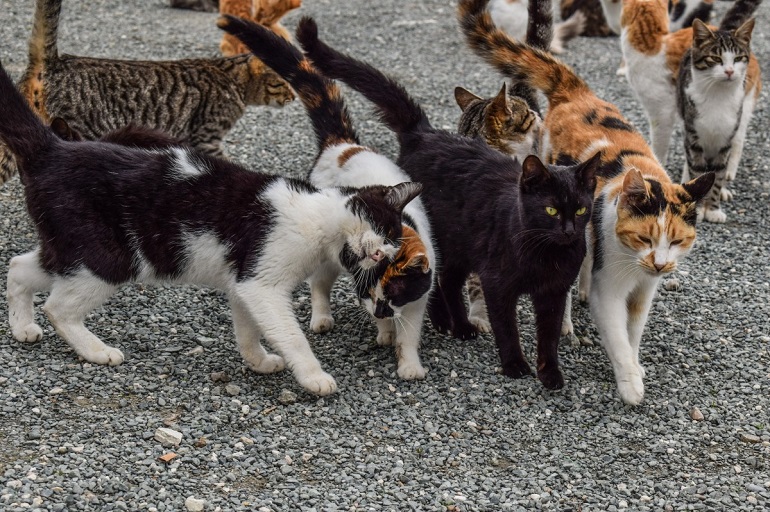
TNR is the internationally recognized, most effective and humane method for managing feral and community cat populations.
- The Process: Feral cats are humanely trapped, spayed or neutered by a veterinarian, vaccinated (most commonly against rabies), and then returned to their original territory where a caretaker may provide food and shelter.
- Why It Works: TNR immediately stabilizes and then reduces the population over time by preventing new litters. It eliminates problematic mating behaviors like yowling, spraying, and fighting. It is more cost-effective than repeated trapping and euthanasia and is supported by major animal welfare organizations.
B. Massively Expanding Access to Low-Cost Spay/Neuter Services
Prevention is always better than cure. Making sterilization affordable and accessible for all pet owners is the single most powerful tool for preventing unwanted litters.
- Mobile Veterinary Clinics: These clinics can bring vital services directly into underserved communities.
- Vouchers and Subsidies: Government and non-profit programs can provide financial assistance to low-income families to get their pets fixed.
- Public-Private Partnerships: Collaborations between municipal governments and private veterinary practices can create networks of providers offering reduced-cost surgeries.
C. Promoting Pet Adoption and Fostering from Shelters
Changing the cultural narrative from “buying” a pet to “adopting” one is crucial.
- “Adopt, Don’t Shop” Campaigns: Robust public awareness campaigns can highlight the benefits of adopting a shelter pet and expose the realities of puppy mills.
- Shelter Marketing and Support: Shelters need resources for professional marketing, good photography, and behavioral assessment to make their animals more attractive to potential adopters.
- Foster Programs: A strong foster network helps relieve shelter overcrowding, provides animals with a less stressful home environment, and allows shelters to learn more about an animal’s personality, increasing its chances of a successful adoption.
D. Strengthening and Enforcing Animal Welfare Legislation
Strong laws create a framework for accountability and prevention.
- Mandatory Spay/Neuter Laws: Laws requiring pets to be sterilized, with exceptions for licensed breeders, can dramatically reduce accidental litters.
- Breeder Regulations and Bans: Implementing strict licensing and oversight for breeders and banning the sale of commercially bred animals in pet stores can shut down the pipeline from puppy mills.
- Harsh Penalties for Abandonment and Neglect: Strong fines and even jail time for animal abandonment and cruelty act as a powerful deterrent.
- Mandatory Microchipping: Laws requiring permanent identification make it easier to reunite lost pets with their owners and hold irresponsible owners accountable.
E. Intensive Public Education and Community Engagement
Long-term change is rooted in a shift in public consciousness.
- School Programs: Integrating lessons on responsible pet ownership, empathy, and animal welfare into school curricula can shape the attitudes of future generations.
- Community Workshops: Hosting workshops on topics like basic pet care, the importance of sterilization, and how to humanely coexist with community cats empowers residents to be part of the solution.
- Media Campaigns: Utilizing television, social media, and local news to share success stories, explain TNR, and promote adoption can reach a wide audience.
F. Supporting Animal Shelters and Rescue Organizations
These organizations are on the front lines and deserve our full support.
- Financial Donations: Monetary contributions are always needed for veterinary care, food, and shelter operations.
- Volunteering: Donating time to walk dogs, socialize cats, clean cages, or help with administrative work is invaluable.
- In-Kind Donations: Donating supplies like food, blankets, toys, and cleaning products directly supports daily operations.
Debunking Common Myths and Misconceptions
Progress is often hindered by persistent myths that need to be addressed with facts.
- Myth: “Spaying or neutering my pet will make them fat and lazy.”
- Fact: The procedure may slightly lower metabolic rate, but weight gain is primarily caused by overfeeding and lack of exercise. The health benefits, including a reduced risk of certain cancers and infections, far outweigh this manageable risk.
- Myth: “It’s better for a female dog or cat to have one litter before being spayed.”
- Fact: There is no medical or behavioral evidence to support this. In fact, spaying a female before her first heat cycle virtually eliminates the risk of mammary cancer.
- Myth: “Euthanasia in shelters is a necessary evil for population control.”
- Fact: While shelters are often forced into this position, it is not a solution. It is a tragic symptom of a failed system. The goal is to make euthanasia of healthy animals obsolete through robust prevention and adoption programs a status known as “no-kill.”
- Myth: “My pet doesn’t roam, so I don’t need to get them fixed.”
- Fact: Accidents happen. A door left open, a fence broken by a storm it only takes one moment for an unaltered pet to escape and contribute to the overpopulation problem.
A Collective Responsibility for a Humane Future
The stray animal overpopulation crisis is a daunting challenge, but it is not insurmountable. It is a problem created by humanity, and it is one that humanity has the power, knowledge, and moral obligation to solve. The solutions TNR, spay/neuter access, adoption, strong laws, and education are proven and effective. What is required is the collective will to implement them with consistency, compassion, and funding.
The next time you see a stray animal, look beyond the scruffy coat and fearful eyes. See a symptom of a broken system. Then, channel that awareness into action. Volunteer at your local shelter, donate to a spay/neuter fund, educate a neighbor, or choose adoption for your next family pet. The path to a world without homeless animals is built one compassionate action at a time. It is a future where the howl of a lonely dog and the cry of a feral cat are replaced by the contented purrs and happy barks of animals safe in loving homes. Let us work together to make that future a reality.