Table of contents
The development of a new life-saving vaccine, the safety of a child’s toy, and the formulation of a new cosmetic cream each of these modern advancements is shadowed by a profound and persistent ethical dilemma: the use of animal testing. This practice, formally known as in vivo testing, sits at the volatile intersection of human welfare, scientific necessity, and moral conscience. It is a debate that pits the undeniable drive for medical and technological progress against the growing recognition of animal sentience and their right to live free from suffering.
For decades, this has been a polarized battlefield. On one side, scientists and researchers argue that animal models are an indispensable, legally-mandated step in safeguarding human health, a view supported by a long history of medical breakthroughs. On the other, animal rights activists and a growing segment of the public decry it as a form of institutionalized cruelty that is both morally indefensible and scientifically archaic. This article delves deep into the heart of this complex debate, moving beyond soundbites to explore the historical context, the nuanced arguments from both camps, the promising landscape of alternatives, and the potential pathways toward a more ethical future for science.
A. The Historical Context: From Anatomical Curiosity to Regulatory Bedrock
To understand the present debate, one must first look to the past. The use of animals for biological inquiry is not a modern invention.
- Ancient Foundations: The earliest known experiments on living animals were conducted by Greek philosophers and physicians like Aristotle and Erasistratus in the 3rd and 4th centuries BC. Their work, while groundbreaking for its time, was limited by a lack of anesthesia and a primitive understanding of physiology.
- The Renaissance and the Birth of Modern Science: The scientific revolution of the 16th and 17th centuries, propelled by figures like William Harvey, used animal dissection to describe the circulation of blood. This period established the foundational principle that knowledge of complex biological systems could be gleaned from studying other vertebrates.
- The 19th and 20th Centuries: Regulation and Rise of Activism: The 19th century saw the rise of anti-vivisection movements, leading to the first animal welfare laws, such as the British Cruelty to Animals Act of 1876. However, the 20th century marked the true entrenchment of animal testing in industry. The thalidomide tragedy of the late 1950s where a drug prescribed for morning sickness caused severe birth defects served as a catastrophic catalyst. In response, governments worldwide, most notably the U.S. Food and Drug Administration (FDA), implemented rigorous regulatory frameworks that mandated extensive animal testing for the safety and efficacy of pharmaceuticals, chemicals, and consumer products. This solidified the practice as a non-negotiable pillar of public health policy.
B. The Case for Animal Testing: The Argument for Necessity
Proponents of animal testing do not dismiss ethical concerns lightly but frame them within a broader context of urgent human need. Their arguments are rooted in practical, scientific, and legal realities.
A. The Biological Similarity Argument: Humans share a significant portion of their genetic makeup and fundamental biological pathways with other species. Mice, for example, share approximately 98% of their DNA with humans. Primates, dogs, pigs, and zebrafish all possess organ systems nervous, cardiovascular, respiratory, endocrine that function in remarkably similar ways to our own. This biological kinship makes them predictive models for understanding how diseases manifest, how drugs are metabolized, and how toxic substances might affect the human body. Studying a complex condition like diabetes, which involves intricate interactions between the pancreas, liver, and insulin receptors, requires a living, whole-body system that cannot yet be fully replicated by any computer model or cell culture.
B. The Track Record of Medical Breakthroughs: The annals of medicine are filled with breakthroughs directly attributable to animal research. To dismiss the practice is to ignore its foundational role in saving countless human lives. Key examples include:
- Polio Vaccine: The development and testing of the polio vaccine by Jonas Salk and Albert Sabin relied heavily on research using monkeys and mice, leading to the near-eradication of a disease that once paralyzed thousands of children annually.
- Insulin for Diabetes: The discovery of insulin and its life-saving function was made through experiments on dogs, revolutionizing the treatment of diabetes.
- Antibiotics: The efficacy and safety of penicillin and subsequent antibiotics were first proven in mice, laying the groundwork for modern infectious disease control.
- Cancer Treatments: From chemotherapy drugs to advanced immunotherapies, nearly every modern cancer treatment has involved animal models to understand tumor biology and assess treatment efficacy and toxicity.
- Surgical Techniques: Procedures ranging from organ transplants and open-heart surgery to joint replacements were first refined and perfected in animal subjects to ensure their feasibility and safety in humans.
C. Legal and Regulatory Mandates: Perhaps the most pragmatic argument is one of legal obligation. Before any new molecular entity can be administered to human volunteers in clinical trials, it must undergo rigorous pre-clinical testing, predominantly in animals. Agencies like the FDA (USA), EMA (Europe), and PMDA (Japan) require data from animal studies to evaluate potential toxicity, teratogenicity (birth defects), carcinogenicity (cancer-causing potential), and overall pharmacological profile. Abandoning animal testing without a universally accepted and validated alternative would bring the entire pipeline of new medicine development to a screeching halt, a risk no regulatory body is currently willing to take.
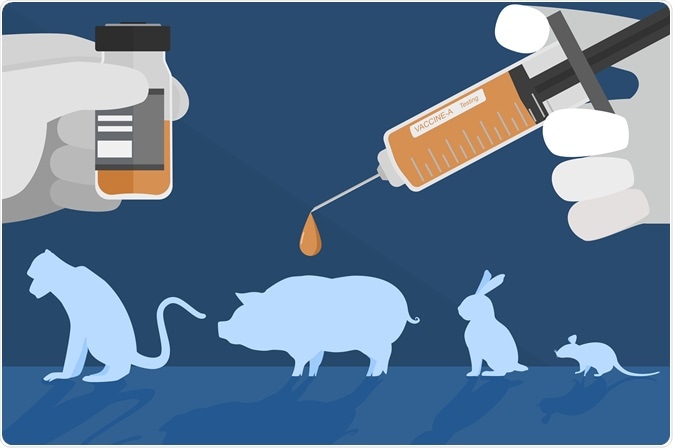
C. The Ethical Case Against Animal Testing: The Argument from Suffering
The opposition to animal testing is built on a combination of moral philosophy, scientific critique, and emotional appeal. It challenges the very premise that human benefit can justify non-human suffering.
A. The Philosophical Underpinnings: Sentience and Rights: The core of the ethical argument rests on the established scientific consensus that many animals, particularly the mammals most commonly used in research, are sentient. This means they are not merely biological automatons but are capable of experiencing pain, fear, distress, and even forms of joy and social bonding. Philosophers like Peter Singer, in his seminal work Animal Liberation, argue that this capacity for suffering grants animals an inherent moral status. The principle of “speciesism” discriminating against a being solely based on its species is, in this view, as ethically untenable as racism or sexism. From this perspective, subjecting a sentient being to confinement, pain, and death without its consent is a fundamental violation of its rights, regardless of the potential human benefits.
B. The Question of Scientific Validity and Translational Failure: Beyond morality, critics mount a robust scientific challenge. They argue that the “biological similarity” argument is often overstated and that significant physiological and genetic differences can lead to misleading results. This is known as the problem of “translational failure”—when results from animal studies fail to predict human outcomes.
- High-Profile Failures: A staggering statistic often cited is that over 90% of drugs that show promise in animal trials fail in human clinical trials. This is due not only to efficacy issues but also to unforeseen toxicities. The Vioxx scandal (a painkiller withdrawn for causing heart attacks) and the TGN1412 trial (a monoclonal antibody that caused catastrophic organ failure in human volunteers despite safe doses in monkeys) are stark reminders of this predictive fallibility.
- Species-Specific Reactions: Animals process substances differently. A classic example is penicillin, which is lethal to guinea pigs but a life-saving drug for humans. Aspirin causes birth defects in rodents but is used safely in human pregnancy. This inherent variability raises serious questions about the reliability of extrapolating data across species lines.
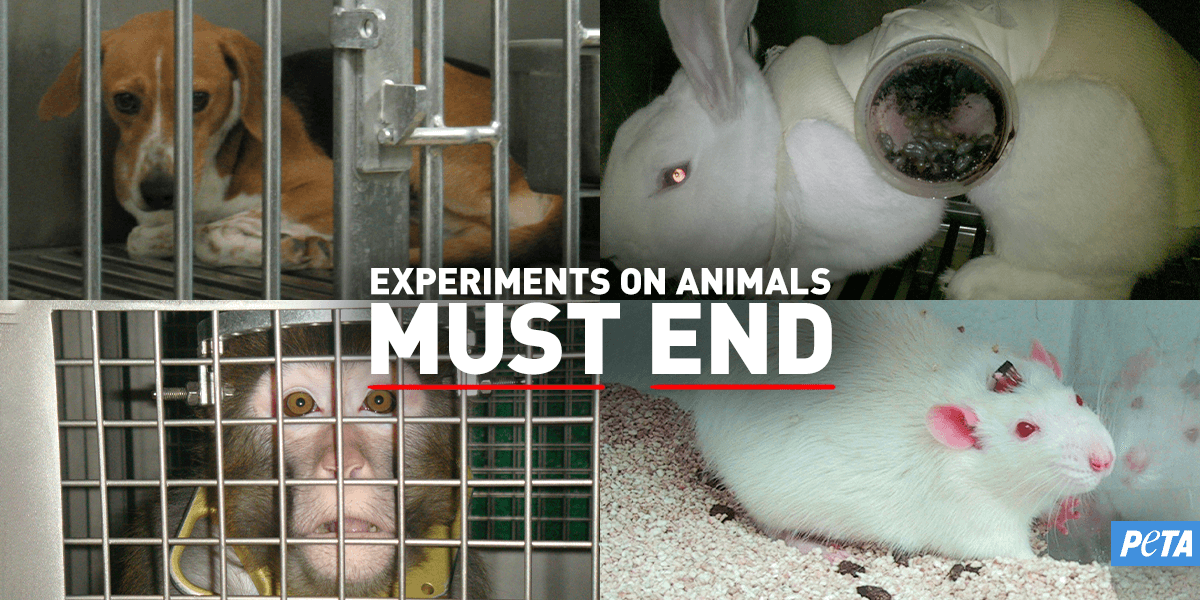
C. The Reality of Suffering and Inadequate Welfare: Even with animal welfare regulations like the U.S. Animal Welfare Act, significant suffering occurs. Critics point out that these laws often exclude the most commonly used animals rats, mice, and birds from basic protection. The procedures themselves can involve force-feeding, forced inhalation, food and water deprivation, infliction of burns and wounds, and psychological stress through prolonged isolation. While anesthesia is used for surgical procedures, post-operative pain and the chronic distress of living in a sterile, confined laboratory environment are realities that regulations cannot fully eliminate.
D. The Evolving Framework: The 3Rs and the Rise of Alternatives
In response to the ethical and scientific criticisms, a framework for more humane science has gained widespread, though variably implemented, acceptance: The 3Rs Principle.
A. Replacement: This is the ultimate goal. It refers to methods that permit a given scientific objective to be achieved without conducting experiments or other procedures on live, sentient animals. Replacement alternatives include:
- In Vitro (Test Tube) Methods: Using human cell cultures, tissue samples, and 3D organoids grown in the lab to study disease mechanisms and drug responses.
- Computer (In Silico) Modeling: Utilizing advanced bioinformatics and complex computer algorithms to model human biology, predict drug interactions, and simulate disease progression.
- Human-Based Research: Leveraging sophisticated imaging techniques (fMRI, PET scans), epidemiological studies, and microdosing studies in human volunteers where safe and ethical.
- Lower Organisms: Using non-sentient biological materials like bacteria, fungi, or amoebae for certain types of preliminary screening.
B. Reduction: This principle aims to minimize the number of animals used per experiment without compromising the statistical validity of the results. Strategies include:
- Improved experimental design and statistical analysis.
- Sharing data and biological samples between laboratories to prevent unnecessary duplication of studies.
- Using advanced imaging to gather more data from a single animal over time.
C. Refinement: This involves modifying husbandry and experimental procedures to minimize pain, suffering, and distress, and to enhance the well-being of the animals that are used. Refinement includes:
- Using analgesics and anesthetics more effectively.
- Providing enriched environments with housing that allows for natural behaviors like climbing, nesting, and social interaction.
- Developing humane endpoints to euthanize an animal before it reaches a point of severe distress.
E. The Frontier of Innovation: Cutting-Edge Non-Animal Technologies
The field of alternative technologies is advancing at a breathtaking pace, offering a glimpse into a future that may rely far less on animal models.
A. Organs-on-Chips: Developed by institutions like the Wyss Institute, these are microfluidic devices lined with living human cells that emulate the structure and function of human organs—lungs, livers, kidneys, and even a “human-on-a-chip” that links multiple mini-organs. They can be used to see how drugs or toxins affect specific human tissues and can replicate human diseases.
B. Advanced In Vitro Models: Moving beyond simple 2D cell cultures, scientists are now creating 3D organoids and bioprinted tissues. These complex structures more accurately mimic the architecture and cellular interactions of real human organs, providing a more physiologically relevant platform for drug screening and toxicity testing.
C. Sophisticated Computer Modeling and AI: The power of big data and artificial intelligence is revolutionizing predictive toxicology. AI systems can now analyze vast databases of existing chemical information to predict how a new, untested compound might behave in the human body, often with greater accuracy than some animal tests.
D. Human-Relevant Microphysiological Systems: This is an umbrella term for a new generation of tools that use human cells to create functional units of biology. These systems are being designed to represent diverse human populations, including different ages, ethnicities, and health conditions, thereby providing more personalized and relevant data than a standardized animal strain ever could.
Conclusion: Navigating the Path Forward in a Gray World
The animal testing ethics debate is not a simple binary conflict between good and evil, or between heartless scientists and sentimental activists. It is a profound societal challenge that forces us to weigh competing moral imperatives: our duty to alleviate human suffering against our duty to prevent the suffering of other sentient beings.
The current trajectory, while still heavily reliant on animal models, is unmistakably shifting. The 3Rs principle provides a crucial ethical compass, and the explosive growth of human-biology-based alternatives offers a tangible, scientifically superior path forward. The ultimate goal is not to immediately halt all animal research and jeopardize medical progress, but to aggressively fund, develop, and validate these new approach methodologies (NAMs) until they become the new gold standard.
The journey toward a world without animal testing will be long and complex, requiring global collaboration between scientists, ethicists, regulators, and industry. It demands that we continually question our methods, invest in innovation, and expand our circle of moral concern. The question is no longer if we should replace animal testing, but how swiftly and intelligently we can muster our collective ingenuity to make it a reality. The future of medicine, and our own moral integrity, depends on it.