Table of contents
The natural world currently faces a biodiversity crisis of unprecedented proportions. Habitat fragmentation, poaching, climate instability, and invasive pathogens have pushed thousands of wild species into precarious population bottlenecks. When a population shrinks below a critical threshold, traditional conservation methods—such as establishing protected wilderness areas or enforcing anti-poaching patrols—are often no longer sufficient on their own. Extremely small populations inevitably suffer from severe inbreeding depression, reduced reproductive fitness, and an accumulation of harmful genetic mutations that can drive a species toward an inescapable “extinction vortex”.
Fortunately, modern molecular biology and ecological genetics have ushered in a revolutionary paradigm shift. Conservation science has evolved from passive observational tracking into proactive, precision genetic restoration. By leveraging cutting-edge genomic tools—ranging from environmental DNA (eDNA) sampling and non-invasive sequencing to advanced cloning, biobanking, and targeted gene editing—scientists can now detect, monitor, and actively rescue critically endangered wildlife at the cellular level. This deep dive explores how advanced DNA science is transforming biodiversity preservation across the globe, rescuing species once thought to be lost forever.
The Extinction Vortex and the Threat of Inbreeding
To understand why DNA science has become an indispensable pillar of wildlife conservation, one must first grasp the genetic mechanisms that imperil tiny animal populations. When a species suffers a drastic decline in numbers, it experiences what geneticists refer to as a population bottleneck. During a bottleneck, vast amounts of hereditary diversity are permanently lost through a stochastic process known as genetic drift.
Key Concept: A population bottleneck occurs when a species’ population is drastically reduced, severely limiting its gene pool and leaving surviving generations vulnerable to inherited diseases, poor fertility, and environmental shocks.
When surviving individuals mate, they inevitably breed with close relatives. This prolonged inbreeding increases homozygosity—a genetic state where an offspring inherits identical variants (alleles) of a gene from both parents. High homozygosity exposes recessive, deleterious mutations that would otherwise remain masked in a diverse gene pool.
The primary biological consequences of unmanaged genetic erosion include:
A. Reduced Reproductive Viability: Lower sperm quality, decreased litter sizes, high infant mortality, and increased rates of birth defects.
B. Immunological Vulnerability: Reduced diversity in the Major Histocompatibility Complex (MHC) genes, leaving entire populations susceptible to wiping out by a single infectious pathogen.
C. Loss of Adaptive Plasticity: Inability to adapt physiologically or behaviorally to shifting climate regimes, novel diseases, or altered food webs.
Standard habitat protection measures preserve the space an animal needs to live, but they cannot fix an inherently broken genome. This is where genetic rescue—the introduction of novel genetic material into an inbred population—becomes the ultimate tool for species survival.
Core Technologies Shaping Genetic Conservation
Modern genetic conservation encompasses a broad spectrum of sophisticated tools. These tools allow scientists to read, catalog, analyze, and even reconstruct genetic material from both living organisms and long-dead specimens preserved in specialized cryogenic facilities.
Breakthrough Tools in Conservation Genetics
| Technology | Primary Application | Major Advantage | Key Challenge |
| Environmental DNA (eDNA) | Non-invasive biodiversity monitoring and species detection | Detects elusive or low-density animals without physical capture | DNA degrades quickly in warm or highly alkaline environments |
| Cryogenic Biobanking | Long-term preservation of living cell lines, gametes, and tissue samples | Locks historical genetic diversity in place indefinitely | Requires precise liquid nitrogen infrastructure and technical oversight |
| Somatic Cell Nuclear Transfer (SCNT) | Cloning from biobanked somatic cells to introduce lost alleles | Re-introduces ancestral genes from individuals long deceased | Low efficiency rates and high surrogate health monitoring demands |
| Induced Pluripotent Stem Cells (iPSCs) | Reprogramming adult somatic cells into eggs or sperm | Bypasses the need for living reproductive adults in functional extinct species | High technical complexity and prolonged developmental validation |
| Targeted Gene Editing (CRISPR) | Introducing specific disease resistance or physiological traits | Directly equips vulnerable species to survive fatal pathogens | Regulatory hurdles and ecological safety considerations |
1. Environmental DNA (eDNA): Uncovering Hidden Biodiversity
One of the most transformative advances in ecological monitoring over the last decade is Environmental DNA (eDNA). All living organisms constantly shed genetic material into their surrounding environment through cellular waste, skin flakes, mucus, hair, blood, and gametes. By collecting simple samples of water, soil, snow, or even ambient air, conservationists can extract this microscopic cellular debris and sequence it to map entire ecosystems.
[ Water / Soil / Air Sample ] ➔ [ DNA Extraction & Filtration ] ➔ [ PCR Amplification ] ➔ [ Next-Gen Sequencing ] ➔ [ Species Identification Database ]
eDNA analysis offers several distinct advantages over traditional field ecology:
A. Non-Invasive Surveillance: Field biologists no longer need to physically trap, tranquilize, tag, or stress fragile animals to verify their presence.
B. Early Detection of Cryptic Species: Extremely rare, nocturnal, or secretive species—such as the Irrawaddy dolphin, giant catfish, or elusive forest amphibians—can be identified from a single liter of river water.
C. Rapid Invasive Species Tracking: eDNA allows wildlife managers to spot invasive organisms (such as American bullfrogs or Asian carp) at the moment of arrival, enabling intervention before populations explode.
D. Metabarcoding Capabilities: Through high-throughput eDNA metabarcoding, a single environmental sample can yield a comprehensive inventory of hundreds of species of microbes, invertebrates, fish, and mammals simultaneously.
2. Cryogenic Biobanking: Archiving Living Genomes for the Future
To prevent genetic diversity from disappearing forever, institutions around the world have established “Frozen Zoos”—specialized biorepositories that maintain living cellular samples at liquid nitrogen temperatures (-196°C / -320°F).
When an animal under human care or in the wild undergoes medical procedures or passes away, scientists harvest skin fibroblasts, reproductive tissues, or blood cells. These living tissues are carefully cultured, cryoprotected, and deep-frozen. Cryogenic biobanking acts as a biological safety net against extinction:
A. Time Capsule of Unrepresented Alleles: Biobanked cells preserve the genetic variations of individuals that lived decades ago, keeping those unique lineages accessible even after the physical animals have died.
B. Insurance Policy Against Disasters: If an outbreak of disease or natural disaster wipes out a wild population, biobanked cell lines remain intact to supply fresh genetic material.
C. Global Genetic Exchange: Cryopreserved sperm, eggs, and somatic cell lines can be shipped across international borders far more easily, safely, and economically than live, large animals.
3. Somatic Cell Nuclear Transfer (SCNT) and Assisted Reproduction
When a species’ population falls so low that natural breeding leads to severe inbreeding, or when a species becomes functionally extinct (meaning no viable breeding pairs remain), Interspecies Somatic Cell Nuclear Transfer (iSCNT) and Assisted Reproductive Technologies (ART) offer a miraculous lifeline.
The technical process of cloning an endangered animal via iSCNT follows a precise biological pipeline:
[ Frozen Somatic Cell (Donor) ] + [ Enucleated Egg (Surrogate Species) ]
                                 │
                                 ▼
                     [ Electro-Fusion & Activation ]
                                 │
                                 ▼
                      [ In Vitro Blastocyst ]
                                 │
                                 ▼
             [ Embryo Transfer into Surrogate Mother ]
                                 │
                                 ▼
                       [ Healthy Cloned Offspring ]
A. Donor Cell Selection: Somatic cells (such as skin fibroblasts) are retrieved from a cryopreserved cell line belonging to a deceased individual whose genes are unrepresented in the living population.
B. Enucleation: Unfertilized egg cells (oocytes) are harvested from a closely related domestic or abundant surrogate species. The nucleus (containing the host surrogate’s DNA) is removed from the egg.
C. Nuclear Transfer & Fusion: The donor cell from the endangered species is inserted into the empty egg cell. Electrical pulses are applied to fuse the cell membranes and kickstart embryonic cell division.
D. Surrogate Gestation: The resulting blastocyst embryo is cultured in vitro and surgically implanted into a surrogate mother of a related species. The surrogate carries the pregnancy to term and gives birth to an animal that is genetically identical to the original frozen donor.
Deep Dive Case Studies: DNA Science in Action
To understand how these technologies function outside the laboratory, we must examine real-world applications where genomic science has fundamentally shifted the fate of critically endangered species.
Case Study 1: The Black-Footed Ferret and Elizabeth Ann
The black-footed ferret (Mustela nigripes) represents one of the most famous success stories in genetic rescue. Once declared completely extinct in the wild due to habitat destruction and sylvatic plague, a remnant population of just 18 ferrets was discovered in Wyoming in 1981. Of those 18, only seven individuals successfully bred to found the entire modern living population.
Decades of captive breeding produced over 8,000 ferrets, but all living individuals were essentially siblings or cousins, suffering from severe loss of genetic diversity, reduced fertility, and extreme susceptibility to plague.
1981: Rediscovery of 18 Ferrets ➔ 1988: "Willa's" Tissue Cryopreserved in Frozen Zoo ➔ 2020: Elizabeth Ann Cloned via iSCNT ➔ Present: Expanding the Founder Base
In 2020, conservation scientists at Revive & Restore, the U.S. Fish and Wildlife Service, and San Diego Zoo Wildlife Alliance achieved a historic milestone:
A. They retrieved frozen tissue samples of a wild female black-footed ferret named “Willa,” who had died in the late 1980s without leaving any living descendants.
B. Whole-genome sequencing confirmed that Willa’s genome contained three times more genetic variation than any living black-footed ferret today.
C. Using iSCNT, researchers fused Willa’s frozen skin cell nucleus with an egg cell from a domestic ferret (Mustela putorius furo).
D. The reconstructed embryo was implanted into a domestic ferret surrogate mother.
E. In December 2020, Elizabeth Ann was born—the first-ever cloned native U.S. endangered species.
By incorporating Elizabeth Ann and subsequent clones into controlled breeding programs, scientists are successfully reintroducing lost ancestral alleles back into the living population, dramatically lowering the threat of inbreeding depression.
Case Study 2: The Race to Save the Northern White Rhinoceros
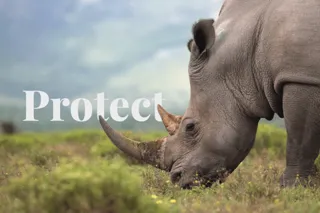
The Northern White Rhinoceros (Ceratotherium simum cottoni) is currently on the very brink of complete extinction. With the death of the last male, Sudan, in 2018, only two females—Najin and her daughter Fatu—remain alive on the planet. Neither female is physically capable of carrying a pregnancy to term.
Because no living males remain, conventional breeding is impossible. However, the international BioRescue consensus project is utilizing advanced cellular reprogramming to reverse this extinction:
A. Cryopreserved Sperm: Scientists maintained frozen sperm samples collected from several deceased northern white rhino males before their deaths.
B. Oocyte Harvesting: Using specialized ultrasound-guided techniques, researchers periodically harvest unfertilized eggs from Fatu in Kenya.
C. In Vitro Fertilization (IVF): The harvested eggs are flown to specialized laboratories in Europe, fertilized with the frozen male sperm via Intracytoplasmic Sperm Injection (ICSI), and grown into viable embryos.
D. Stem Cell Reprogramming (iPSCs): To ensure long-term genetic diversity beyond the few available sperm samples, scientists are converting stored skin cells from historical rhinos into induced pluripotent stem cells (iPSCs), which can then be differentiated into brand-new artificial eggs and sperm cells.
E. Surrogate Gestation: The resulting pure Northern White Rhino embryos are being implanted into closely related Southern White Rhino surrogate mothers.
This groundbreaking synthesis of stem cell biology and assisted reproduction offers a tangible path to repopulate the African savannas with northern white rhinos within our lifetime.
Case Study 3: Przewalski’s Horse and Kurt the Clone
Przewalski’s horse (Equus ferus caballus) is the last truly wild horse species on Earth. Native to the steppes of Central Asia, the species became completely extinct in the wild during the mid-20th century. The entire surviving population was built from a tiny founding group of just 12 wild individuals.
To combat severe inbreeding, conservationists turned to the San Diego Zoo’s Frozen Zoo:
A. In 1980, scientists frozen-stored skin tissue from a wild male Przewalski’s horse whose lineage had been lost from the active breeding pool.
B. In 2020, forty years after the cell line was frozen, researchers cloned the male, giving birth to a healthy foal named Kurt.
C. Genomic analysis verified that Kurt possessed vital genetic variations that had completely vanished from the surviving population.
D. In 2023, Kurt was successfully paired with a wild-born filly at the San Diego Zoo Safari Park, proving that cryopreserved cells can effectively re-establish lost lineages after four decades in deep freeze.
Managing Genetic Rescue vs. Habitat Preservation
While genetic science provides incredible solutions, experts emphasize that biotechnology must complement—not replace—traditional habitat protection and ecological restoration.
                               ┌───────────────────────────────────────────┐
                               │   HOLISTIC WILDLIFE CONSERVATION MODEL    │
                               └─────────────────────┬─────────────────────┘
                                                     │
                          ┌──────────────────────────┴──────────────────────────┐
                          │                                                     │
                          ▼                                                     ▼
        ┌───────────────────────────────────┐                 ┌───────────────────────────────────┐
        │       GENOMIC INTERVENTIONS       │                 │      ECOLOGICAL PROTECTION        │
        ├───────────────────────────────────┤                 ├───────────────────────────────────┤
        │ • Biobanking & SCNT Cloning       │                 │ • Habitat Restoration & Corridors │
        │ • eDNA Population Monitoring      │      +         │ • Anti-Poaching Enforcement       │
        │ • Selective Breeding & Gene Edit  │                 │ • Ecosystem Pest Management       │
        └───────────────────────────────────┘                 └───────────────────────────────────┘
A genetic rescue attempt will ultimately fail if cloned or genetically restored animals are released into degraded habitats devoid of prey or overrun by illegal poaching. The ideal modern conservation model is a dual framework: Genomic Interventions restore biological vigor, while Ecological Protection guarantees a safe physical sanctuary for restored populations to thrive.
Ethical Considerations, Regulation, and Ecological Risks
As genetic technologies advance rapidly, conservationists, bioethicists, and governmental regulators must navigate complex legal and moral landscapes:
A. Surrogate Health and Welfare: Cloning processes require domestic surrogate animals (such as domestic ferrets, horses, or cows) to undergo invasive hormonal treatments and embryo transfer surgeries. Ensuring strict veterinary standards and minimizing surrogate distress is paramount.
B. Off-Target Ecological Consequences: Re-introducing cloned or genetically edited animals into sensitive wild biomes must be carefully monitored to prevent unintended shifts in predator-prey dynamics, territorial competition, or disease transmission patterns.
C. Intellectual Property and Resource Access: Many advanced biotechnologies are developed by private research institutions or specialized bio-tech firms. Deciding who owns or controls preserved genetic resources derived from endangered public wildlife requires clear international regulatory agreements.
D. The Risk of Moral Hazard: A potential danger is that policy makers or local communities might assume technology can easily “fix” extinction, leading to diminished funding or political willpower for traditional land conservation and wildlife protection.
Future Horizons: What Lies Ahead for Wildlife DNA Science?
The coming decades promise even greater convergence between genomics, field ecology, and artificial intelligence. Key technological frontiers currently in development include:
A. Handheld Real-Time DNA Sequencers: Compact, field-portable sequencing units (like the Oxford Nanopore MinION) allow researchers in remote rainforests or polar regions to analyze eDNA samples in real-time within hours, rather than sending samples to far-away labs.
B. Autonomous Drone eDNA Collection: Aerial and aquatic drones equipped with micro-fluidic filters can autonomously sample air currents or deep oceanic water columns to track rare marine mammals or secretive migratory birds.
C. CRISPR-Driven Disease Immunity: Geneticists are actively testing target gene editing techniques to bestow native resistance against catastrophic infectious diseases—such as engineering black-footed ferrets to resist sylvatic plague or modifying frogs to survive lethal chytrid fungus outbreaks.
D. AI-Powered Genomic Selection: Machine learning algorithms are now scanning full species genomes to pinpoint exact nucleotide sequences responsible for climate tolerance, drought adaptation, and immune resilience, enabling optimized captive breeding pairings.
Summary: A New Paradigm for Biodiversity Preservation
DNA science has redefined the boundary between loss and recovery in modern conservation biology. By transforming invisible biological traces into actionable ecological data and unlocking ancestral cell lines stored deep in frozen biorepositories, molecular biology provides unprecedented tools to halt genetic erosion.
While DNA technology is not a magic wand that eliminates the need for pristine habitats and ecosystem protection, it offers critically endangered species a vital fighting chance. Through the thoughtful integration of biobanking, eDNA surveillance, cloned genetic rescue, and habitat preservation, humanity now possesses the capability to protect and restore Earth’s most vulnerable creatures for generations to come.