
Table of contents
The story of the giant panda (Ailuropoda melanoleuca) is one of the most remarkable success stories in the history of wildlife preservation. Decades ago, this iconic creature was teetering on the edge of extinction due to rapid human encroachment, severe habitat fragmentation, poaching, and low reproductive rates. Environmentalists across the world feared that the giant panda would soon exist only in history books and captive displays.
However, through sustained national effort, pioneering scientific innovation, and massive financial investments, the People’s Republic of China managed to reverse a trajectory that seemed almost irreversible. In recent years, the International Union for Conservation of Nature (IUCN) officially reclassified the giant panda from “Endangered” to “Vulnerable.” This reclassification represents more than just a taxonomic shift; it serves as living proof that dedicated conservation policies can restore fragile species and rebuild degraded ecosystems.
This comprehensive long-form article explores every facet of China’s giant panda protection initiatives. We will examine the unique biological traits of pandas, the historical crisis that decimated their populations, the landmark establishment of giant panda national parks, advanced captive breeding science, soft-release reintroduction programs, community-based economic models, and the broad umbrella effect that benefits hundreds of neighboring endemic species.
Understanding the Unique Biology and Ecology of the Giant Panda
To appreciate the immense difficulty of protecting giant pandas, one must first understand their specialized evolutionary biology. Pandas belong to the order Carnivora, yet their diet consists almost entirely of bamboo. This extreme dietary specialization creates significant ecological vulnerabilities.
A. Dietary Reliance on Bamboo: Over 99% of a wild panda’s diet consists of various bamboo species, including arrow bamboo, umbrella bamboo, and water bamboo. Because bamboo is fibrous and relatively low in nutrient concentration, an adult giant panda must spend between 10 to 16 hours every day consuming anywhere from 12 to 38 kilograms of bamboo shoots, leaves, and stems just to satisfy its daily metabolic requirements.
B. Specialized Anatomical Adaptations: Pandas have evolved distinct physical characteristics tailored to their lifestyle. These include a powerful jaw structure, enlarged molars for crushing dense plant stalks, and a modified wrist bone often called a “pseudo-thumb.” This specialized bone acts as an extra digit, allowing the panda to grip bamboo stems with dexterity while feeding.
C. Reproductive Bottlenecks: Female giant pandas enter estrus only once a year during a brief spring window lasting between 24 and 72 hours. If fertilization fails during this narrow time frame, the female must wait an entire year before another mating opportunity arises. Furthermore, newborn pandas are extraordinarily altricial—weighing a mere 90 to 130 grams at birth, pink, blind, hairless, and entirely dependent on maternal care for survival.
D. Subspecies Differentiation: Modern taxonomy recognizes two distinct subspecies of giant pandas: the Sichuan giant panda (Ailuropoda melanoleuca melanoleuca) and the Qinling giant panda (Ailuropoda melanoleuca qinlingensis). The Qinling subspecies, discovered in the mountainous areas of Shaanxi province, features a rounder skull shape and a striking brownish-white coat rather than the classic black-and-white pattern.
Historical Crisis: How Human Activity Pushed Pandas to the Brink
During the mid-20th century, rapid population growth and industrial development across southwestern China placed unprecedented pressure on natural habitats. Forests were cleared to make way for agriculture, commercial timber logging, mining operations, and expansive transport infrastructure.
A. Severe Habitat Fragmentation: Roads, highways, railways, and agricultural fields carved continuous mountain forests into isolated habitat islands. Small, isolated panda populations became physically separated from one another, preventing natural migration and mate selection.
B. Genetic Inbreeding Risks: As habitat pockets shrank, panda groups faced genetic bottlenecks. Inbreeding among isolated populations led to reduced genetic diversity, making offspring more susceptible to congenital defects, lowered immune response, and reduced survival rates.
C. Historical Poaching Pressure: Before stringent legal protections took effect, pandas were occasionally targeted by poachers for their thick pelts or accidentally trapped in wire snares set for other wildlife species, such as musk deer and wild boars.
D. Periodic Bamboo Synchronous Flowering Events: Bamboo species undergo massive, synchronized flowering cycles every 30 to 120 years, after which the flowering bamboo plants die en masse. Historically, pandas could freely migrate across vast distances to locate alternative bamboo species that were not in a flowering phase. However, human-made barriers blocked these migration pathways, leading to tragic widespread starvation events during the 1970s and 1980s.
The Pillars of China’s Panda Conservation Strategy
Recognizing the urgent need to prevent the loss of a national symbol, the Chinese government instituted a multi-decade, multi-layered conservation framework. This strategy combined legal enforcement, spatial protection, scientific research, and international collaboration.
A. Legislative Protections and Severe Legal Penalties: China designated the giant panda as a Class I Protected Wild Animal under the Wildlife Protection Law. Legal reforms instituted strict criminal penalties for poaching, illegal trade, or habitat destruction within designated reserves, eliminating commercial hunting pressures.
B. National Conservation Master Plans: Beginning in the late 20th century, national conservation master plans systematically identified primary panda corridors and critical habitats. These plans prioritized ecological restoration over short-term economic development in key biodiversity zones.
C. The Natural Forest Protection Program (NFPP): Launched following severe flooding in the late 1990s, the NFPP placed a widespread ban on commercial logging across major river basins and mountain ranges, preserving remaining old-growth forests in Sichuan, Shaanxi, and Gansu provinces.
D. The Grain-for-Green Policy: Also known as the Sloping Land Conversion Program, this initiative compensated local farmers with cash and grain subsidies in exchange for converting steep, erosion-prone farmland back into native forest and bamboo habitat.
The Creation of Giant Panda National Park: An Ecological Milestone
Prior to the late 2010s, panda conservation relied on a mosaic of over 60 individual nature reserves scattered across different administrative boundaries. While these reserves provided safety within their immediate borders, they suffered from administrative fragmentation and lacked cohesive management.
To overcome these limitations, China officially established the Giant Panda National Park in 2021 as part of its first wave of official national park installations.
A. Vast Geographic Scale: The Giant Panda National Park spans an area exceeding 27,000 square kilometers across three provinces: Sichuan, Shaanxi, and Gansu. This area is roughly three times the size of Yellowstone National Park in the United States.
B. Unification of Isolated Nature Reserves: The unified park structure consolidated dozens of previously separate nature reserves, scenic areas, and ecological corridors under a single unified management agency, streamlining law enforcement, scientific monitoring, and habitat management.
C. Construction of Wildlife Corridors: A major priority of the national park is reconnecting fragmented mountain ranges. Environmental engineers designed underground road tunnels, elevated highway bridges, and replanted native bamboo corridors to allow pandas and other wildlife to move freely across mountain corridors without crossing busy roadways.
D. Advanced Digital Surveillance Infrastructure: Park rangers utilize automated camera traps, satellite monitoring, GPS collars, and artificial intelligence-driven imagery systems to track wildlife populations, detect illegal human entry, and monitor forest fire risks in real time.
Captive Breeding and Artificial Insemination Breakthroughs
While protecting wild habitats remains the ultimate goal, captive breeding programs played a vital role in building a healthy reservoir population to guard against total extinction.
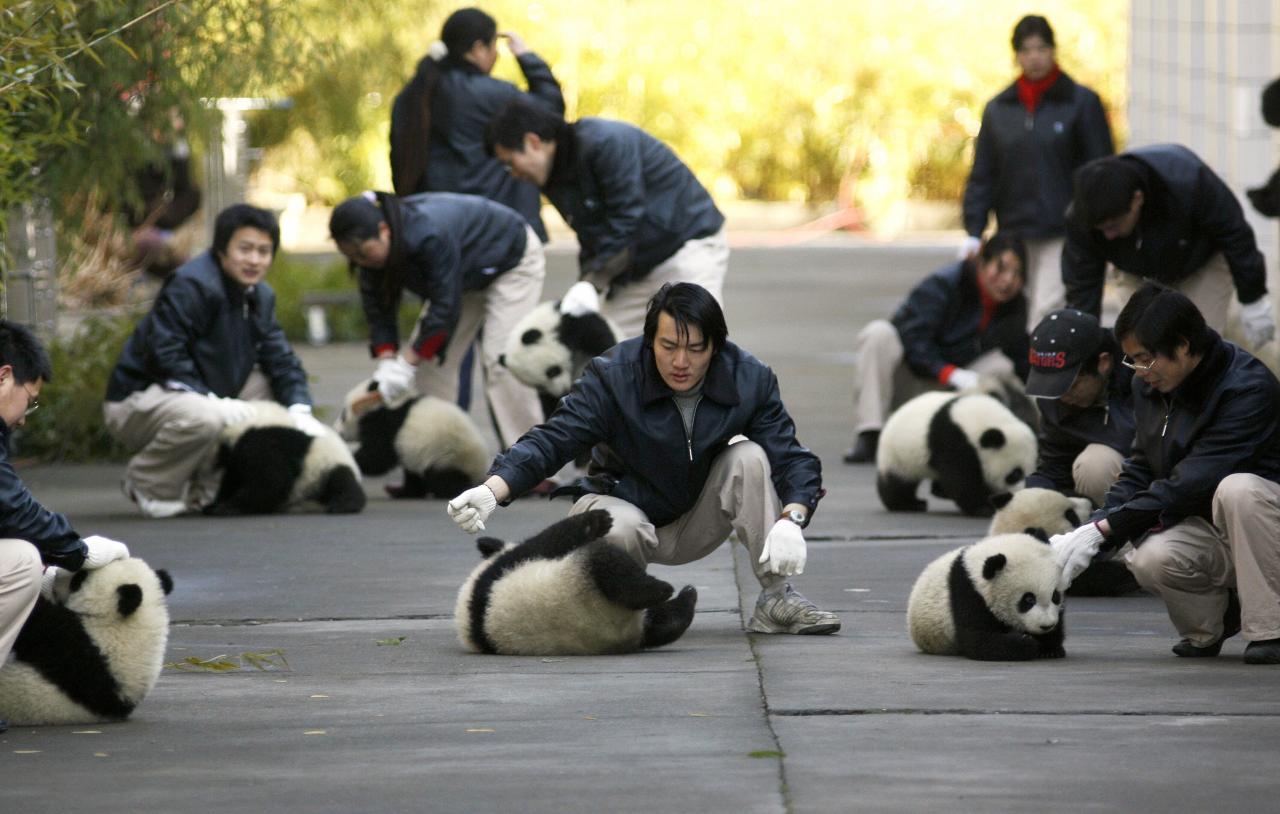
A. Pioneering Breeding Centers: Specialized research facilities, such as the Chengdu Research Base of Giant Panda Breeding and the China Conservation and Research Center for the Giant Panda (CCRCGP) in Wolong, became world-renowned hubs for reproductive science and veterinary care.
B. Overcoming the “Three Difficulties”: For decades, captive breeding was hampered by three major hurdles: difficulty in getting pandas to mate naturally, low conception rates, and high infant mortality. Scientists solved these challenges through advanced hormonal tracking, optimized dietary management, and behavioral conditioning.
C. Refining Artificial Insemination: Researchers developed precise artificial insemination techniques utilizing cryopreserved semen from genetically diverse males. DNA sequencing technology ensures that mating pairs are matched to maximize genetic diversity and prevent line-breeding.
D. Twin Nursery Care Techniques: Giant pandas frequently give birth to twins in captivity, but in the wild, a mother usually abandons the weaker cub due to limited energy reserves and milk supply. Captive breeding facilities developed a twin-swapping technique where researchers gently swap the cubs between the mother and an incubator every few hours. This ensures both cubs receive natural maternal milk and affection while getting supplementary nursery care, raising twin survival rates to over 90%.
Soft Release and Reintroduction into the Wild
Building a robust captive population was only the first phase of the overarching rescue plan. The ultimate ecological objective has always been reintroducing captive-born pandas back into historical ranges where wild populations have declined or vanished.
A. Panda-Dressed Caretakers: To prevent captive-born cubs from imprinting on humans, caretakers wear full-body panda costumes smeared with panda urine and feces during all interactions. This ensures that young pandas view humans as unfamiliar entities to be avoided in the wild.
B. Seminatural Training Enclosures: Cubs selected for reintroduction undergo training in large, mountainous enclosures located high in the wild bamboo forests. Within these enclosures, cubs learn essential life skills, including selecting edible bamboo, climbing trees for safety, finding natural water sources, and seeking shelter from severe weather.
C. Soft Release Protocol: Reintroductions utilize a “soft release” method where pandas are gradually acclimated to their release site inside temporary acclimation pens before the gates are permanently opened. This minimizes territorial stress and disorientation.
D. Post-Release Satellite Tracking: Released pandas are equipped with lightweight GPS tracking collars that monitor their movements, home range establishment, health status, and interactions with existing wild panda populations. Successful reintroductions, such as those in the Xiangling and Minshan mountains, prove that captive-born individuals can adapt, survive, and reproduce in natural wilderness environments.
Economic and Community Incentives for Local Populations
Sustainable conservation cannot succeed without the active participation and support of communities living within and alongside wildlife habitats. China’s panda conservation strategy integrates human economic development with ecological protection.
A. Ecotourism Opportunities: The popularity of the giant panda has turned regions like Chengdu and Wolong into global ecotourism destinations. Local communities benefit directly from sustainable tourism jobs, eco-lodges, guided trekking, and selling local agricultural products to visitors.
B. Community Ranger Employment: Many former local farmers, hunters, and loggers have been hired as paid ecological park rangers. Their intimate knowledge of local terrain makes them effective stewards for patrolling reserve borders, clearing illegal snares, and maintaining camera traps.
C. Alternative Energy Adoption: To prevent local villagers from harvesting bamboo forests for cooking fuel and heating, government programs subsidized the installation of solar panels, biogas digesters, and energy-efficient cookstoves throughout rural villages near panda habitats.
D. Eco-Compensation Schemes: Financial compensation programs ensure that residents living inside protected boundaries receive direct payments for maintaining ecosystem services, preserving water catchments, and protecting forest vegetation.
Panda Diplomacy: Global Cooperation and Wildlife Awareness
The giant panda has long served as a unique symbol of international diplomacy and environmental cooperation. Through long-term international research loans, China has leveraged the global appeal of pandas to foster international goodwill and advance conservation science.
A. Collaborative Research Loans: Zoos and research institutions worldwide host pandas under strict scientific loan agreements. Foreign partners contribute financial resources directly to China’s wild conservation funds while working jointly on behavioral, genetic, and veterinary research.
B. Global Educational Value: Millions of visitors at international zoological parks in Europe, North America, and Asia learn about habitat loss, climate change, and biodiversity conservation through live panda exhibits and outreach programs.
C. Symbol of Global Conservation: The giant panda was chosen as the logo for the World Wide Fund for Nature (WWF) at its founding in 1961. The animal remains a universal icon representing global efforts to protect natural habitats and endangered species worldwide.
Biodiversity Umbrella Effect: How Saving Pandas Protects Other Species
One of the greatest benefits of giant panda protection is the creation of an broad “conservation umbrella.” Giant pandas require large, contiguous tracts of pristine temperate forest to survive. By protecting vast mountain ranges for pandas, conservationists inadvertently protect thousands of co-existing flora and fauna species.
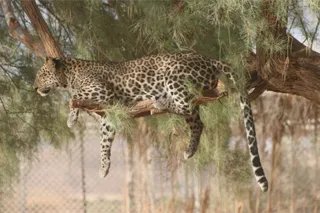
A. Co-existing Mammals: The reserves established for pandas safeguard populations of snow leopards, golden snub-nosed monkeys, takins, red pandas, musk deer, and Asian black bears that share the same high-altitude ecological zones.
B. Rare Avian Species: The dense mountain foliage provides nesting habitats for rare birds, including the Temminck’s tragopan, golden pheasant, and various endemic laughingthrushes.
C. Botanical Richness: The bamboo forests of southwestern China harbor exceptional botanical diversity, including ancient relict plant species like the dove tree (Davidia involucrata) and rare wild orchids.
D. Watershed Protection: Preserving mountain forests secures critical headwaters for major Asian river systems, including the Yangtze and Yellow rivers. Forest vegetation prevents soil erosion, regulates water flow, and reduces the risk of devastating downstream floods affecting millions of people.

Modern Threats and Ongoing Challenges
Despite remarkable achievements, giant panda conservation faces ongoing and evolving threats that require continued vigilance and adaptive management.
A. Climate Change Impacts: Rising global temperatures threaten to shift the suitable climate zones for native bamboo species to higher altitudes. If bamboo forests migrate faster than pandas can adapt or move, localized food shortages could emerge over the next century.
B. Infrastructure Development Pressures: Ongoing construction of high-speed transport networks, hydroelectric dams, and urban expansion continues to present spatial challenges along the outer borders of protected areas.
C. Disease Transmission: As human settlements and domestic livestock encroach near reserve boundaries, wild pandas face risks from cross-species disease transmission, including canine distemper virus (CDV) and various gastrointestinal parasites carried by livestock.
D. Balancing Tourism Density: High volumes of tourists visiting core conservation zones can cause localized noise pollution, habitat disruption, and litter accumulation if not managed strictly through daily visitor caps and zoned access routes.
Comparative Analysis: Key Conservation Milestones
The following structured overview highlights major milestones in the history of giant panda protection efforts in China.
| Era / Year | Conservation Milestone | Primary Impact |
| 1963 | Establishment of Wolong National Nature Reserve | Founded China’s first dedicated protective sanctuary for wild giant pandas. |
| 1988 | Enactment of the Wildlife Protection Law | Granted Class I state protection status, effectively eliminating legal hunting and commercial trade. |
| 1998 | Implementation of Natural Forest Protection Program | Banned commercial timber logging across core panda forest ranges. |
| 1999 | Launch of Grain-for-Green Policy | Converted steep agricultural hillsides back into natural bamboo forest habitats. |
| 2006 | Sichuan Giant Panda Sanctuaries UNESCO World Heritage Listing | Recognized 924,500 hectares of panda habitat as world heritage value. |
| 2016 | IUCN Downlisting from Endangered to Vulnerable | Formally recognized population recovery based on scientific survey data. |
| 2021 | Official Opening of Giant Panda National Park | Unified 27,000 square kilometers across three provinces under a single administrative framework. |
Conclusion: Lessons for Global Wildlife Conservation
The recovery of the giant panda proves that extinction is not inevitable when nations commit sufficient political willpower, scientific expertise, and financial resources toward environmental stewardship. China’s holistic approach combining strict habitat preservation, unified national park management, advanced breeding technologies, and community economic development provides a valuable blueprint for wildlife conservation worldwide.
As humanity faces global biodiversity loss and climate instability, the giant panda stands as a beacon of hope. It demonstrates that ecosystems can heal, species can rebound, and humans can coexist harmoniously with the natural world.