
Table of contents
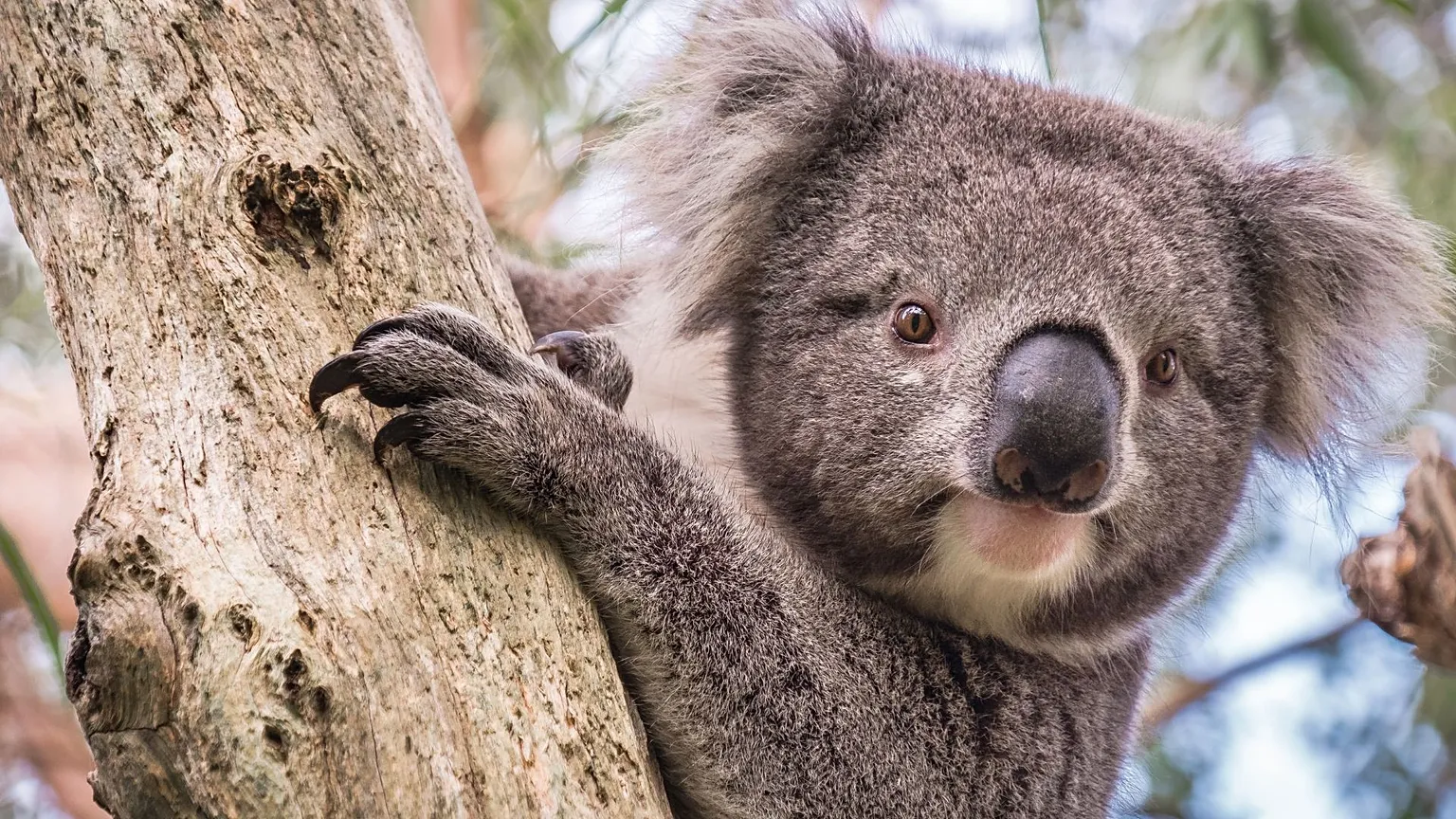
The Australian continent is globally recognized for its unique biodiversity, hosting wildlife species found nowhere else on Earth. Among these iconic creatures, the wild koala (Phascolarctos cinereus) stands as an enduring global symbol of the country’s rich natural heritage. However, behind this adorable image lies a severe ecological crisis. Over the past few decades, native koala populations across Eastern Australia have experienced alarming declines due to habitat destruction, fatal diseases, vehicular collisions, and the intensifying effects of global climate change. In response to this pressing environmental challenge, the Australian federal and state governments supported by wildlife conservationists and scientists have implemented comprehensive legislative and biological defense mechanisms aimed at preventing the extinction of wild koalas.
Historical Context Of Koala Population Declines
Understanding the current crisis facing Australian koalas requires an examination of historical factors that drastically reduced their numbers. Before European settlement, millions of koalas inhabited the eucalyptus forests spanning eastern and southeastern Australia.
Historical Trajectory of Australian Koalas:
1880s - 1920s: Unregulated commercial fur trade (Millions harvested)
1927: "Black August" hunting season triggers massive public backlash
Late 20th Century: Rapid urban sprawl and habitat fragmentations
2012: Officially listed as 'Vulnerable' in NSW, QLD, and ACT
2022: Reclassified as 'Endangered' under Federal EPBC Law
During the late nineteenth and early twentieth centuries, commercial hunting for the international fur trade devastated wild populations. Millions of koala skins were exported to North America and Europe. Public outrage following the “Black August” open hunting season of 1927 in Queensland eventually led to nationwide hunting bans, establishing Australia’s foundational conservation movement.
Despite these early legal protections, modern industrial development, deforestation for agriculture, and rapid urban growth have continued to dismantle essential forest ecosystems. Consequently, in February 2022, the Australian Government officially reclassified koalas as Endangered in New South Wales, Queensland, and the Australian Capital Territory under the Environment Protection and Biodiversity Conservation Act 1999 (EPBC Act).
Key Environmental Threats Facing Wild Koalas
The survival of wild koala populations is compromised by multiple interconnected ecological and anthropogenic pressures. Addressing these challenges requires targeted interventions across affected regions.
| Threat Factor | Primary Impact | Conservation Risk Level |
| Habitat Loss & Fragmentation | Land clearing for housing, mining, and timber drives isolation. | Critical |
| Bacterial Disease (Chlamydia) | Causes blindness, reproductive infertility, and high mortality. | High |
| Climate Change & Bushfires | Extreme heatwaves and intense wildfires destroy millions of acres. | Critical |
| Urban Infrastructure | Vehicle strikes on highways and domestic dog attacks in suburban areas. | Moderate to High |
A. Deforestation remains the leading driver of koala population reduction. As expansive forests are converted into suburban subdivisions or agricultural land, isolated groups lose access to essential food trees, forcing them onto ground surfaces where they face increased hazards.
B. Bacterial infections, specifically strains of Chlamydia, severely weaken wild populations. This disease leads to severe inflammation, blindness, and clinical infertility among female marsupials, reducing reproductive rates across vulnerable regions.
C. Escalating climate anomalies have increased the frequency and severity of mega-bushfires across Eastern Australia. The catastrophic bushfires of 2019–2020 destroyed millions of hectares of native forest, killing thousands of koalas and scorching key wildlife corridors.
Strategic Government Protections And Legislative Initiatives
To counteract these environmental hazards, Australian legislative authorities have enacted multi-tiered strategies combining habitat reservation, legislative reform, and high-tech tracking methods.

A. Habitat Preservation and National Parks Creation
A core strategy involves designating expansive physical areas as fully protected natural habitats. State governments have expanded protected zones, such as establishing national parks designed to interconnect fragmented bushland ecosystems. Creating contiguous biological corridors allows koalas to migrate safely, maintaining genetic diversity across isolated groups.
B. High-Tech Monitoring and Population Surveys
Accurate population assessments are vital for establishing effective conservation policies. Modern scientific initiatives utilize advanced technology, including thermal-imaging drones operated by specialized teams, to conduct nocturnal aerial surveys over thousands of square kilometers of dense forest canopy. This non-invasive tracking method provides real-time population estimates without disrupting wild animal behavior.
C. Advanced Biological and Genetic Safety Nets
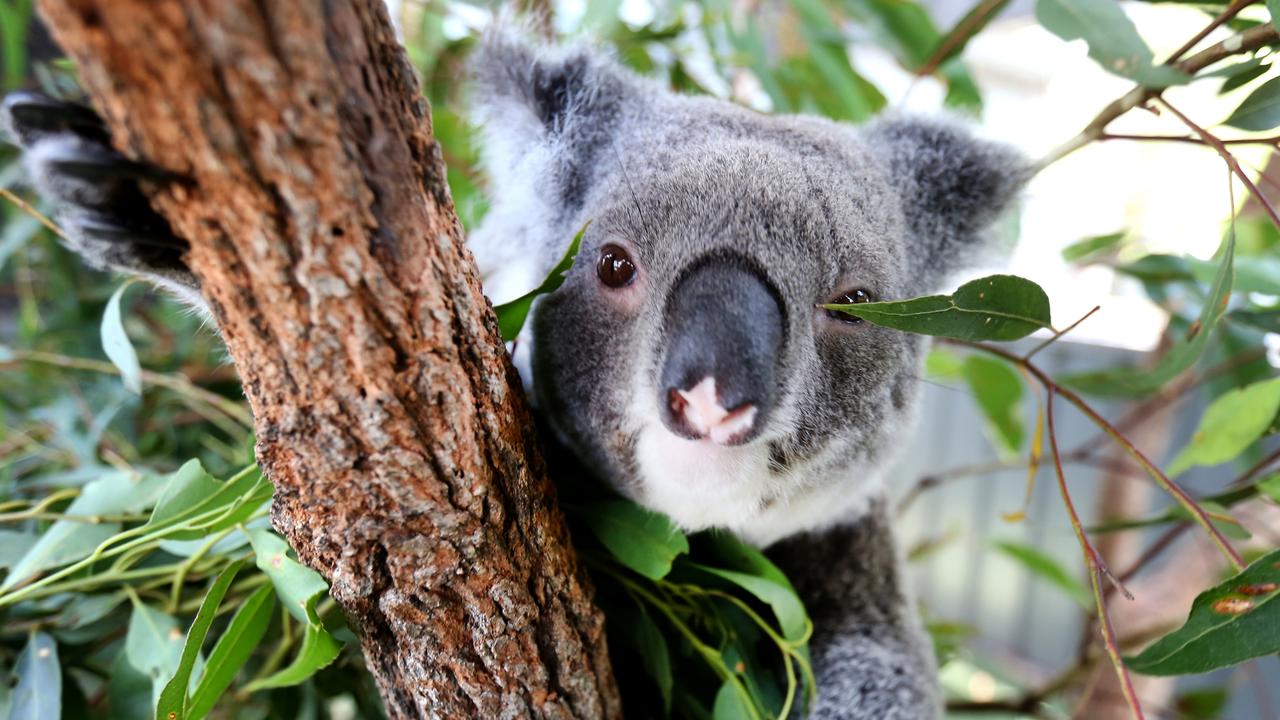
Recognizing the danger of dwindling genetic diversity, research institutions and universities have spearheaded biobanking initiatives. Scientists are establishing cryogenic repositories for koala genetic material—such as frozen sperm and egg cells to act as a long-term genetic safety net. In addition, field trials of specialized vaccines targeting endemic bacterial strains are being administered to wild and rehabilitated populations to improve long-term survival.
Essential Guidelines For Community Coexistence
Protecting wild koalas requires direct participation from local communities, suburban homeowners, and regional travelers living near active habitats.
Crucial Tip for Regional Travelers: Koalas are most active on the ground during dusk and dawn when moving between feeding trees. Lowering vehicle speeds in designated wildlife zones significantly reduces traffic-related fatalities.
A. Plant Native Eucalyptus Species: Landowners situated near existing forest corridors are encouraged to plant regional eucalyptus species, expanding natural food options and shelter for resident wildlife.
B. Responsible Pet Ownership: Urban pet owners living near koala habitats should keep domestic dogs secured indoors or in enclosed runs during night hours to prevent territorial attacks.
C. Community Sightings Reporting: Citizens are encouraged to utilize public tracking mobile applications (such as NSW’s I Spy Koala) to submit geographic sightings. This crowdsourced data helps researchers map high-density habitats and identify dangerous urban intersections.
The Path Forward For Koala Conservation
Defending Australia’s protected wild koalas is a ongoing ecological obligation requiring sustained political commitment, scientific innovation, and public engagement. While strict legal classifications and biobanking initiatives mark significant progress, long-term success depends on halting net habitat destruction and restoring connectivity across degraded ecosystems. By balancing urban development with robust environmental protections, Australia aims to preserve its most famous marsupial for future generations.