Table of contents
The natural world is currently undergoing an unprecedented extinction crisis. Biologists estimate that current species loss occurs at rate up to one thousand times faster than historical background levels. While traditional conservation strategies such as habitat protection, anti-poaching patrols, and ecological restoration remain essential, they are no longer sufficient on their own. The modern extinction crisis presents complex biological threats, including devastating infectious diseases, genetic bottlenecks, environmental toxicity, and climate-driven physiological stress.
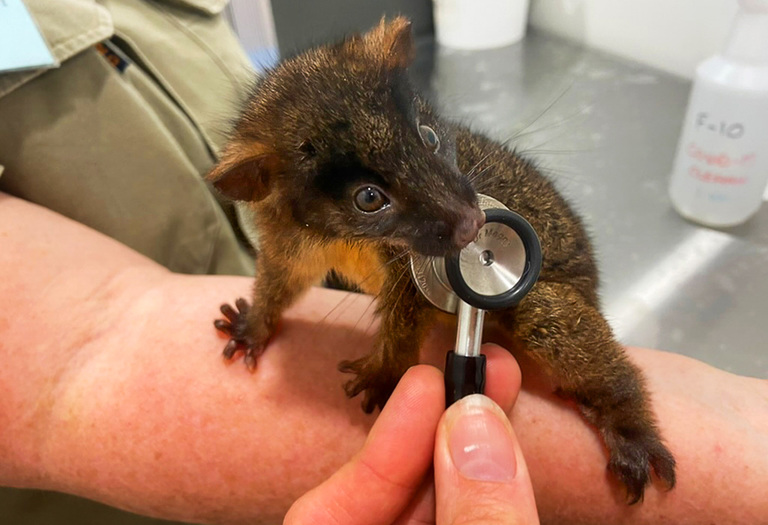
To combat these multifaceted challenges, conservationists have increasingly turned to clinical research. Once restricted to human healthcare and domestic veterinary practice, clinical science has evolved into a cornerstone of global biodiversity preservation. By applying advanced diagnostics, pharmacology, assisted reproductive technologies, structural epidemiology, and genomic biobanking to wildlife populations, researchers are unlocking unprecedented ways to prevent extinction.
The Intersection of Clinical Medicine and Wildlife Conservation
Clinical research in wildlife conservation bridges the gap between laboratory science and field applications. Historically, wildlife management focused primarily on macro-level ecology—monitoring population numbers, mapping migration corridors, and securing protected lands. However, when a species suffers rapid declines due to internal physiological or pathological factors, ecological monitoring alone cannot halt the damage.
Clinical conservation medicine approaches species survival through the lens of individual and population health. It investigates how pathogens invade novel hosts, how stress impacts immune function, how toxins bioaccumulate, and how genetic isolation reduces reproductive fitness. By treating the physical organisms that comprise a threatened population, clinical research provides actionable interventions that stabilize declining groups.
Core Pillars of Clinical Research in Species Preservation
The application of clinical science to wildlife recovery can be categorized into major strategic pillars. Each pillar addresses a specific biological vulnerability that threatens vulnerable fauna.
A. Advanced Diagnostic Protocols
Accurate medical diagnosis is the foundation of effective clinical intervention. In wild populations, diseases often spread silently until catastrophic mortality occurs. Researchers develop specialized diagnostic tools tailored to non-domesticated species:
A. Non-invasive biomarkers: Fecal, saliva, and feather samples are analyzed to monitor stress hormones, reproductive status, and pathogen exposure without capturing or disturbing animals.
B. Field-ready PCR and genomic sequencing: Portable diagnostic devices allow veterinary teams to detect viral or bacterial outbreaks in remote habitats within hours rather than weeks.
C. Advanced imaging modalities: Mobile ultrasound, radiology, and endoscopy are utilized to assess internal injuries, reproductive health, and organ function in captive and wild individuals.
B. Specialized Veterinary Therapeutics
Administering medical treatment to wild animals presents immense pharmacological and logistical challenges. Clinical research addresses these hurdles by determining safe dosages, delivery systems, and drug efficacy across diverse taxa:
A. Target-specific pharmaceuticals: Drugs formulated for domestic animals often behave unpredictably in wild species. Clinical trials establish precise pharmacokinetics and safety margins for exotic mammals, reptiles, and birds.
B. Specialized delivery mechanisms: Remote delivery methods, such as dart-based medication, oral bait vaccines, and time-release implants, allow veterinarians to treat wild populations across rugged landscapes.
C. Antidotes and chelation therapies: In areas contaminated by industrial runoff, lead ammunition, or pesticides, clinical research formulates treatments to neutralize toxins in affected animals.
C. Preventative Immunology and Disease Management
Infectious diseases pose an existential threat to species with small, concentrated populations. Clinical immunology focuses on developing and deploying protective vaccines to prevent catastrophic die-offs:
A. Sylvatic plague vaccines: Oral vaccines distributed via bait have protected wild black-footed ferret populations and prairie dog colonies from fatal bacterial outbreaks.
B. Bat white-nose syndrome therapies: Clinical trials explore topical antifungal agents, microbiome manipulations, and oral vaccines to combat the fungal pathogen killing millions of North American bats.
C. Chytridiomycosis treatments: Researchers are developing probiotic cutaneous treatments and antifungal regimens to protect vulnerable amphibian species from global fungal epidemics.
Reproductive Technologies and Genetic Rescue
When a species drops below critical population thresholds, natural mating often fails to maintain adequate genetic diversity or numerical recovery. Assisted Reproductive Technology (ART) and genomic preservation, developed through rigorous clinical research, offer a vital safety net against total extinction.
   +-------------------------------------------------------+
   |             CLINICAL REPRODUCTIVE CASCADE             |
   +-------------------------------------------------------+
                              |
                              v
   +-------------------------------------------------------+
   |   1. Genetic Material Collection & Cryopreservation   |
   |   (Sperm, Oocytes, & Somatic Cell Tissue Banking)     |
   +-------------------------------------------------------+
                              |
                              v
   +-------------------------------------------------------+
   |     2. In Vitro Fertilization & Embryo Transfer      |
   |   (Cross-Species Surrogacy or In-Species Gestation)  |
   +-------------------------------------------------------+
                              |
                              v
   +-------------------------------------------------------+
   |  3. Managed Reintroduction & Genetic Heterozygosity   |
   +-------------------------------------------------------+
A. Cryopreservation and Biobanking
Cryogenic biobanks often referred to as “Frozen Zoos” store living biological material at ultra-low temperatures. These tissue repositories serve as biological insurance policies:
A. Genetic preservation: Cryopreserved sperm, eggs, embryos, and somatic cells retain viability for decades, safeguarding the genetic diversity of threatened species.
B. Infinite storage horizon: Stored genetic samples can be thawed long after original donors have passed away, allowing future generations to reintroduce lost alleles into living populations.
C. Global collaborative exchange: Biobanks facilitate the international sharing of genetic material, eliminating the need to physically move fragile living animals across borders for breeding programs.
B. In Vitro Fertilization (IVF) and Embryo Transfer
For species facing severe reproductive failure or extreme low numbers, clinical IVF offers a path to population recovery:
A. Gamete rescue: Eggs and sperm are harvested post-mortem or during routine health checks from high-value individuals that cannot reproduce naturally.
B. Cross-species surrogacy: In groundbreaking clinical trials, embryos from endangered species are implanted into closely related, non-endangered surrogate mothers, expanding breeding capacity.
C. Controlled fertilization: Laboratory fertilization enables scientists to carefully select genetic pairings, minimizing inbreeding depression in captive populations.
C. Somatic Cell Nuclear Transfer (Cloning)
Cloning represents one of the most technologically advanced applications of clinical science in wildlife conservation:
A. Reversing genetic bottlenecks: By cloning long-deceased individuals using stored somatic cells, researchers introduce lost genetic variation back into tiny surviving populations.
B. Historical success stories: Clinical teams have successfully cloned endangered species such as the black-footed ferret (Elizabeth Ann) and the Przewalski’s horse (Kurt), proving the real-world viability of genetic rescue.
C. Mitigation of founder effects: Cloning adds novel breeding lines to species descended from very few surviving founders, reducing hereditary defects and increasing overall resilience.
Key Case Studies: Clinical Science in Action
To understand the profound real-world impact of clinical research on species survival, it is useful to examine prominent success stories where veterinary science directly altered the trajectory of extinction.
A. The Black-Footed Ferret Recovery Program
Once thought to be completely extinct, the black-footed ferret (Mustela nigripes) was rediscovered in Wyoming in 1981. With only 18 individuals remaining, clinical research was essential to save the species:
A. Disease vulnerability: The surviving population was extremely susceptible to canine distemper and sylvatic plague, necessitating custom clinical vaccine development.
B. Reproductive management: Artificial insemination using cryopreserved sperm from historical founders significantly broadened the gene pool.
C. Cloning breakthroughs: In 2020, researchers produced the first cloned black-footed ferret using tissue frozen in 1988, marking a monumental milestone in conservation genetics.
B. Saving the Northern White Rhinoceros
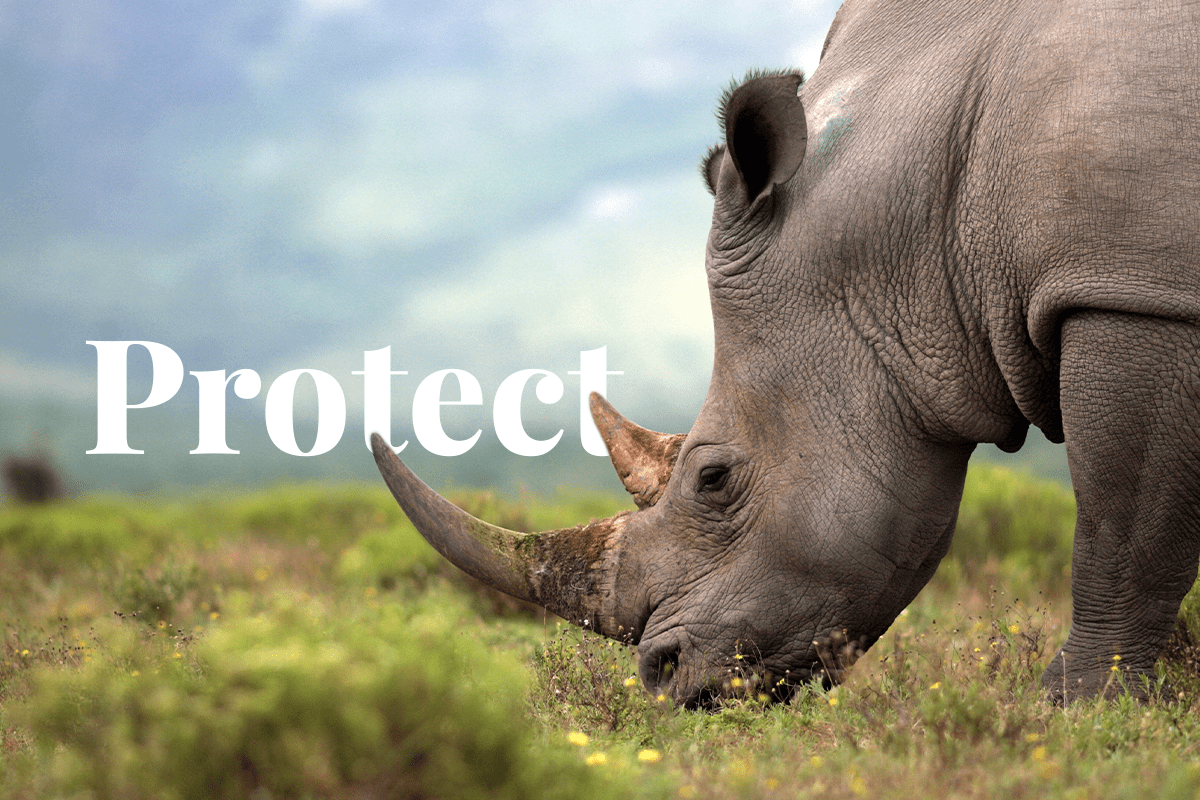
With only two female northern white rhinoceroses (Ceratotherium simum cottoni) left on Earth—neither capable of carrying a pregnancy—clinical research offers the absolute last chance to prevent total extinction:
A. Oocyte harvesting: Specialized clinical veterinary protocols allowed scientists to safely harvest eggs from the remaining females in Kenya.
B. Embryo creation: Harvested oocytes were fertilized in vitro using cryopreserved sperm from deceased males, creating viable northern white rhino embryos.
C. Surrogate strategy: Research is underway to transfer these embryos into southern white rhino females as surrogates, aiming to birth new northern white rhino calves within the decade.
C. The Tasmanian Devil Facial Tumor Disease (DFTD) Crisis
Tasmanian devils (Sarcophilus harrisii) faced population drops exceeding 80% due to an infectious, transmissible cancer known as Devil Facial Tumor Disease:
A. Immunological investigations: Clinical researchers mapped the unique pathway through which tumor cells evade the host immune system.
B. Vaccine development: Ongoing clinical trials are testing candidate vaccines designed to train the Tasmanian devil’s immune system to recognize and destroy tumor cells.
C. Selective breeding protocols: Clinical identification of naturally resistant individuals has enabled managed breeding programs that release disease-resistant animals into safe sanctuaries.
Clinical Research Methodologies in Wildlife Studies
Conducting clinical studies on wild animals requires specialized methodologies designed to protect animal welfare while delivering rigorous scientific data.
| Research Domain | Clinical Technique | Conservation Application | Primary Benefit |
| Pharmacology | Pharmacokinetic (PK) Modeling | Determining safe drug dosage for wild ungulates and carnivores | Prevents accidental toxicity and ensures therapeutic effectiveness |
| Diagnostics | High-Throughput qPCR | Rapid screening for pathogen exposure in wild bird colonies | Enables immediate quarantine and intervention during disease outbreaks |
| Reproduction | Transvaginal Oocyte Retrieval | Collecting female gametes from large endangered mammals | Generates viable eggs for IVF without major surgical procedures |
| Genomics | Whole-Genome Sequencing | Mapping population-wide genetic diversity and inbreeding levels | Guides selective breeding decisions to maximize genetic health |
| Pathology | Necropsy & Histopathology | Investigating cause of death in wild wildlife mortalities | Identifies emerging health threats before widespread population loss |
Challenges Facing Wildlife Clinical Research
Despite its remarkable potential, clinical research targeting endangered species faces distinct ethical, legal, and operational obstacles that differentiate it from human clinical trials.
A. Regulatory and Legal Frameworks
A. International trade restrictions: Regulating body permits (such as CITES) make transporting biological samples, gametes, and tissues across borders complex and time-consuming.
B. Strict ethical oversight: Animal welfare regulations require stringent justification for any invasive clinical procedure performed on endangered animals, where unintended harm must be minimized at all costs.
C. Regulatory gaps: Many therapeutic drugs lack formal approval for non-domestic species, forcing wildlife veterinarians to rely on extra-label drug use backed by limited clinical data.
B. Sample Size and Statistical Limitations
A. Extremely small sample populations: Standard human clinical trials rely on thousands of participants, whereas wildlife researchers may only have access to a dozen living individuals.
B. High species variability: Extrapolating clinical data from one species to another—even within the same genus—can lead to unpredictable physiological responses.
C. Limited baseline data: Basic physiological parameters (such as normal blood chemistry ranges or hormone levels) are often completely unknown for rare wild species.
C. Funding and Resource Allocation
A. High financial costs: Advanced clinical procedures, biobanking facilities, and specialized field equipment require substantial capital investment.
B. Competition for grant funding: Funding agencies frequently prioritize traditional habitat conservation over capital-intensive laboratory clinical research.
C. Geographic logistical hurdles: Many endangered species reside in remote, under-resourced regions lacking modern veterinary infrastructure or cold-chain logistics for biological samples.
The One Health Approach: Connecting Wildlife, Human, and Planet Health
Clinical research in wildlife conservation does not exist in isolation. It aligns closely with the One Health paradigm, an integrated framework recognizing that human health, animal health, and ecosystem stability are interconnected.
                  +--------------------------+
                  |        ONE HEALTH        |
                  +--------------------------+
                   /            |           \
                  /             |            \
                 v              v             v
       +----------------+ +------------+ +----------------+
       | Wildlife Health| | Human Health| | Ecosystems     |
       +----------------+ +------------+ +----------------+
A. Zoonotic Disease Prevention
A majority of emerging human infectious diseases—including Ebola, Avian Influenza, and SARS-CoV-2—originate in wild animal hosts. Clinical research monitoring disease dynamics in wildlife serves as an early warning system:
A. Pathogen surveillance: Identifying novel viruses in wild populations before spillover events occur protects human health while enabling proactive wildlife management.
B. Buffer zone health management: Vaccinating wild animals or domestic livestock living near wildlife boundaries creates protective health buffers that reduce disease transmission across species lines.
C. Cross-disciplinary research: Collaboration between medical doctors, wildlife veterinarians, and epidemiologists accelerates vaccine and diagnostic development for all species.
B. Ecosystem Health and Bio-Indicators
Wild species act as sentinels for overall ecosystem health. Clinical studies on wildlife physiology reveal environmental degradation long before macro-level changes become visible:
A. Ecotoxicology monitoring: Toxicological screening of apex predators highlights heavy metal contamination, microplastic buildup, and chemical pollution in food webs.
B. Stress physiology: Measuring glucocorticoid hormone levels in wild populations helps quantify the physiological impact of human disturbance, habitat fragmentation, and climate change.
C. Ecological resilience: Ensuring the medical health of keystone species supports the stability and functioning of entire ecological networks.
Future Frontiers in Conservation Medicine
The future of clinical research in species preservation lies at the intersection of biotechnology, artificial intelligence, and field medicine. As technology continues to advance, novel clinical tools will emerge to safeguard biodiversity.
A. CRISPR and Synthetic Biology
Gene editing technologies offer revolutionary possibilities for combating genetic weaknesses and fatal diseases:
A. Disease resistance engineering: Scientists are researching ways to edit the genomes of vulnerable species to introduce resistance against non-native pathogens, such as fungal infections in amphibians.
B. Invasive species suppression: Gene drive technologies are being modeled to safely control populations of invasive predators that threaten endemic island wildlife.
C. Rescuing genetic diversity: Precise gene editing could repair deleterious mutation accumulation in highly inbred endangered populations.
B. Artificial Intelligence and Predictive Modeling
Advanced computational algorithms are transforming clinical diagnostics and wildlife monitoring:
A. Automated pathology analysis: AI systems analyze tissue samples and medical imaging faster and more accurately, spotting rare diseases early.
B. Predictive outbreak modeling: Machine learning processes environmental, climatic, and physiological data to forecast disease outbreaks in wild populations before they occur.
C. Optimization of breeding programs: Algorithms process complex genomic datasets to design optimal breeding pairs that preserve maximum genetic heterogeneity.
C. Advanced Biomaterials and Targeted Therapies
Innovations in biomedical engineering are creating drug delivery systems designed for field conditions:
A. Nanoparticle drug delivery: Encapsulated therapeutics can target specific organs or pathogens in wild animals with reduced dosage requirements and fewer side effects.
B. Biodegradable slow-release implants: Implants capable of delivering contraceptive treatments, vaccines, or medications over extended periods eliminate the need for repeated capture.
C. Tissue engineering: Lab-grown tissues and organoids provide platforms for testing treatments on target species without performing invasive experiments on living animals.
Strategic Roadmap for Expanding Clinical Conservation Impact
To fully capitalize on the potential of clinical research in saving endangered species, global conservation bodies, academic institutions, and governments must adopt a coordinated strategy.
A. Interdisciplinary Collaboration
A. Integrating veterinary teams: Wildlife management agencies should permanently incorporate clinical veterinarians and medical scientists into core species recovery planning.
B. Cross-sector knowledge exchange: Academic medical centers, zoological institutions, and field conservation NGOs must formalize data-sharing protocols.
C. International scientific networks: Expanding global networks facilitates rapid sharing of clinical samples, diagnostic protocols, and treatment successes across borders.
B. Capacity Building and Field Infrastructure
A. Mobile clinical units: Deploying all-terrain mobile veterinary laboratories improves diagnostic speed and treatment capabilities in isolated habitats.
B. Regional biobanking facilities: Establishing secure, decentralized cryogenic biobanks in biodiversity hotspots ensures local ownership and immediate access to genetic preservation assets.
C. Local veterinary training: Empowering local veterinarians with specialized wildlife clinical training builds sustainable, long-term conservation capacity in high-biodiversity regions.
Conclusion
Clinical research has shifted wildlife conservation from a reactive discipline into a proactive science. By combining field ecology with medical diagnostics, advanced therapeutics, reproductive technologies, and genomic biobanking, clinical science provides viable solutions to complex threats that habitat protection alone cannot solve.
Preserving global biodiversity is not merely an aesthetic or sentimental endeavor; it is essential to the functional stability of our planet’s biosphere and the health of human society. As extinction pressures intensify, investing in clinical conservation research will remain one of our most effective strategies to protect Earth’s most endangered species for generations to come.