Table of contents
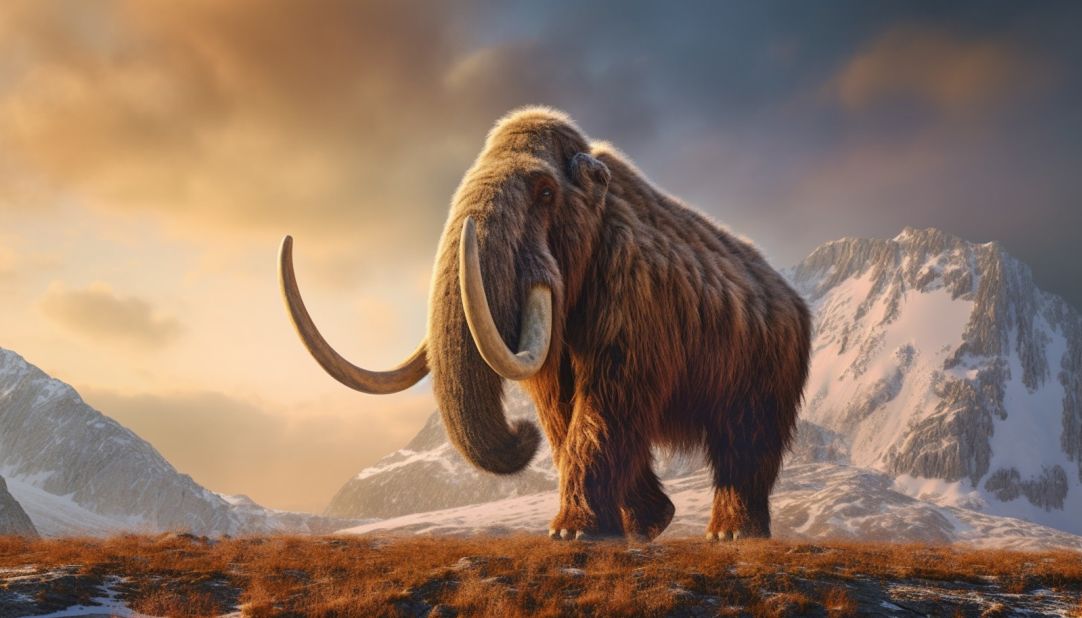
For thousands of years, the concept of bringing back extinct species belonged entirely to the realm of myth, folklore, and science fiction cinema. The definitive loss of a species was regarded as an absolute, irreversible boundary of nature. However, rapid advancements in molecular biology, synthetic genomics, and precision gene editing have shattered this historic paradigm. Today, top geneticists and modern biotechnology enterprises are actively engaged in de-extinction the scientific practice of resurrecting lost evolutionary lineages. At the forefront of this scientific renaissance is the ambitious project to bring back the woolly mammoth (Mammuthus primigenius), an iconic megafauna species that vanished from the Earth roughly 4,000 years ago.
The endeavor to resurrect the woolly mammoth is far more than a mere high-tech spectacle or laboratory curiosity. It represents a sophisticated convergence of cutting-edge genomic tools, wildlife conservation strategies, and climate change mitigation initiatives. By engineering functional elephant-mammoth hybrids optimized for extreme Arctic temperatures, researchers aim to restore ancient high-latitude grassland ecosystems that once played a vital role in regulating the climate of our planet.
To fully understand the scope of this biological breakthrough, one must explore the intricate molecular mechanics, ecological theories, technological hurdles, and ethical questions surrounding the return of these prehistoric giants. De-extinction is changing how humanity views biodiversity, extinction, and the future of life on Earth.
Unveiling the Science: How Genetic Engineering Reclaims Ancient Life
The popular media often characterizes de-extinction as cloning. However, true organismal cloning requires an intact, living cell nucleus containing undamaged double-stranded DNA. Because the last surviving woolly mammoths died thousands of years ago, their buried cellular remains have suffered extensive degradation caused by background radiation, ambient enzymatic decay, and chemical oxidation over millennia. Consequently, traditional cloning via somatic cell nuclear transfer (SCNT) is impossible for ancient specimens.
Instead, modern de-extinction relies on synthetic biology and comparative functional genomics. Scientists extract fragmented ancient DNA from exceptionally well-preserved mammoth remains recovered from Siberia and Alaska. These fragmented sequences are thoroughly digitized using high-throughput next-generation sequencing technologies. Researchers then map the reconstructed mammoth genome against the genome of its closest living genetic relative: the Asian elephant (Elephas maximus), with which the mammoth shares approximately 99.6% of its genetic code.
The primary scientific tools enabling this reconstruction include:
A. High-throughput next-generation DNA sequencing platforms capable of reading short, degraded ancient genomic fragments.
B. Bioinformatic alignment software designed to construct full genomic assemblies by comparing ancient DNA against modern reference genomes.
C. Multiplexed CRISPR-Cas precision editing tools that allow simultaneous site-specific modifications across living cell lines.
D. Induced pluripotent stem cell (iPSC) reprogramming protocols to turn skin or blood cells into versatile, self-renewing cellular lines.
The Genetic Blueprints: Mapping 4,000-Year-Old DNA
Decoding ancient DNA requires separating genuine genomic sequences from environmental contamination, such as soil bacteria, fungi, and human handling traces. Once the ancient mammoth genome is reconstructed, bioinformaticians perform comparative genomic analyses to isolate the specific genetic variations that differentiated mammoths from modern tropical elephants.
The goal is not to synthesize a 100% identical copy of the extinct species. Rather, scientists aim to engineer a functional proxy species—a cold-resistant hybrid elephant that possesses all the physical traits and physiological mechanisms required to thrive in sub-zero Arctic environments.
Key phenotypic traits targeted for genetic substitution include:
A. The expression of a dense, multi-layered woolly coat consisting of long guard hairs and thick, insulating underfur.
B. Enhanced subcutaneous adipose tissue layers exceeding 10 centimeters in depth for optimized thermal insulation and caloric storage.
C. Specialized cold-tolerant hemoglobin proteins capable of efficiently releasing oxygen to bodily tissues at near-freezing temperatures.
D. Markedly reduced ear surface areas and shortened tails to minimize body surface exposure and prevent metabolic heat loss.
E. Altered sebaceous gland activity that produces specialized lipid-rich oils to coat the fur and repel freezing water and snow.
+-----------------------------------------------------------------------+
|                 MAMMOTH DE-EXTINCTION GENOMIC PIPELINE               |
+-----------------------------------------------------------------------+
| 1. Ancient DNA Extraction  --> Recover tissue from permafrost remains |
| 2. Next-Gen Sequencing     --> Digitally reassemble mammoth genome    |
| 3. Comparative Analysis    --> Compare against Asian Elephant genome   |
| 4. Target Gene Selection   --> Identify cold-adaptations & traits     |
| 5. CRISPR Gene Editing     --> Insert target edits into elephant iPSCs|
| 6. Embryogenesis & Gestation--> Transfer edited nucleus to surrogate  |
+-----------------------------------------------------------------------+
CRISPR-Cas9 and Multiplex Genome Editing in Action
The key technological engine behind modern de-extinction is multiplex genome engineering. Early genetic engineering techniques were limited because scientists could only edit one single gene at a time, making extensive species alterations slow and impractical. However, creating a functional woolly mammoth proxy requires dozens of simultaneous edits across key functional pathways.
Using advanced CRISPR-Cas variants alongside integrases, recombinases, and base-editing enzymes, scientists can introduce dozens of precise genetic modifications into living elephant cell lines in a single edit.
The standard multiplex workflow follows a structured progression:
A. Fibroblasts or skin cells are collected from living Asian elephants through non-invasive medical sampling.
B. Collected somatic cells are reprogrammed into induced pluripotent stem cells (iPSCs) to establish stable, indefinitely multiplying cell lines.
C. CRISPR delivery vectors guide molecular enzymes to precise DNA coordinates inside the host cell nucleus.
D. Native elephant nucleotide sequences are swapped with optimized ancient mammoth variants across dozens of target genes.
E. Engineered cell lines undergo whole-genome sequencing to verify that all edits succeeded without off-target mutations.
The Ecological Blueprint: Restoring the Arctic Tundra
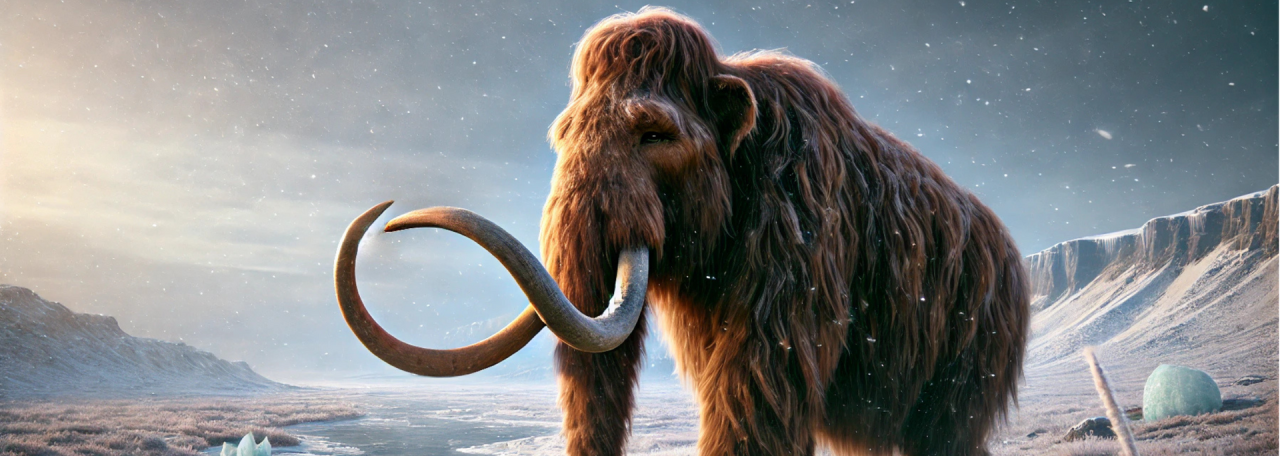
Why spend tens of millions of dollars to resurrect a long-extinct animal? The primary scientific justification for mammoth de-extinction is ecological restoration. During the Pleistocene epoch, the Arctic was not a barren tundra; it was the “Mammoth Steppes” a vast, highly productive grassland ecosystem teeming with diverse herbivores.
When megaherbivores like the woolly mammoth went extinct, the Arctic ecosystem underwent a dramatic transformation. Mosses, shrubs, and larch forests overtook the grasslands, resulting in poorer nutrient cycling and reduced soil compaction. Reintroducing functional megaherbivore herds could help return the Arctic to a high-yield grassland ecosystem.
Major ecological impacts anticipated from rewilding mammoth-elephant hybrids include:
A. Mechanical clearing of deep snow cover during Arctic winters, exposing cold ground air to lower soil temperatures.
B. Destruction of dark, heat-absorbing brush and trees, encouraging light-reflecting perennial grasses to flourish.
C. Stimulation of nutrient cycling through heavy grazing and widespread distribution of organic waste across nutrient-poor soils.
D. Physical compaction of the deep snowpack under heavy foot pressure, preventing snow from insulating underlying ground heat.
Permafrost Preservation and Carbon Sequestration Mechanics
One of the most urgent threats associated with modern climate change is the melting of Arctic permafrost. The northern permafrost holds vast quantities of organic carbon, storing roughly double the amount of carbon currently present in Earth’s atmosphere. As global temperatures rise, permafrost thaws, releasing greenhouse gases like methane ($CH_4$) and carbon dioxide ($CO_2$) that accelerate global warming.
Here, reintroducing mammoth hybrids serves as an innovative biological intervention. During winter, a thick blanket of fluffy snow acts as a thermal insulator, trapping heat inside the soil and accelerating permafrost melt. When large, heavy herds walk across the tundra, they pack down the snow. Compacted snow loses its insulating properties, allowing extreme Arctic air temperatures to penetrate deep into the earth and freeze the permafrost down to solid depths.
+------------------------------------------------------------------------+
|               HOW MAMMOTH HYBRIDS PRESERVE PERMAFROST                  |
+------------------------------------------------------------------------+
|  WITHOUT MAMMOTH HYBRIDS:                                              |
|  Thick Insulating Snow --> Heat Trapped in Soil --> Permafrost Thaws   |
|                                                     |                  |
|                                                     v                  |
|                                         Massive CO2/Methane Released   |
|                                                                        |
|  WITH MAMMOTH HYBRIDS:                                                 |
|  Herd Tramples Snowpack --> Deep Cold Penetration --> Soil Stays Frozen|
|                                                     |                  |
|                                                     v                  |
|                                         Carbon Remains Safely Trapped  |
+------------------------------------------------------------------------+
Key factors involved in permafrost stabilization include:
A. Increased albedo effect from grass coverage, reflecting solar radiation back into space during summer months.
B. Deeper winter frost penetration caused by animal trampling and snowpack reduction.
C. Suppression of low-albedo shrub growth that absorbs ambient sunlight and warms surface soil.
D. Long-term stabilization of northern soil carbon reservoirs, keeping millions of tons of greenhouse gases locked underground.
Biological and Veterinary Innovations Driven by De-Extinction
The technological benefits of mammoth de-extinction extend far beyond the Arctic. Creating tools to engineer mammoth traits has generated valuable spin-off technologies for veterinary medicine and animal conservation.
For instance, Asian elephants face severe threats from habitat loss, poaching, and lethal diseases. One of the greatest threats to young captive and wild Asian elephants is Elephant Endotheliotropic Herpesvirus (EEHV), a disease that causes fatal hemorrhagic fever. De-extinction research teams have partnered with virologists to develop mRNA vaccines, monoclonal antibodies, and genetic resistance treatments against EEHV, saving living elephant species from collapse.
Veterinary conservation advancements derived from de-extinction research include:
A. The creation of specialized cellular lines for endangered elephant species to preserve genetic diversity.
B. Development of targeted therapeutic vaccines to eradicate lethal viral infections like EEHV.
C. Advanced assisted reproductive technologies (ART), including artificial insemination protocols for wild populations.
D. New stem cell lines that enable genetic rescue efforts for species facing severe inbreeding depression.
Ethical Controversies, Regulatory Frameworks, and Moral Debates
Despite its potential benefits, de-extinction triggers significant ethical debate among scientists, conservationists, bioethicists, and environmental policy experts. Critics argue that spending vast amounts of private capital on resurrecting extinct species distracts from traditional efforts to protect currently endangered wildlife.
Others raise animal welfare concerns regarding surrogate mothers and the social lives of newly generated hybrids. Elephants are highly social, intelligent, and emotionally complex animals that rely on deep herd structures and matrilineal knowledge. Introducing a newly created hybrid species into an isolated environment raises valid questions about their psychological well-being and social structure.
Ethical considerations undergoing international review include:
A. Allocation of limited conservation funding between saving endangered living species and reviving lost ones.
B. The risk of unintended ecological consequences when introducing gene-edited megaherbivores into modern habitats.
C. Ensuring high animal welfare standards during surrogate pregnancy, birth, and herd rearing.
D. Respecting the sovereignty, land rights, and cultural perspectives of Indigenous communities living across northern rewilding territories.
Sourcing Surrogates: Asian Elephants and Artificial Wombs
One of the biggest practical hurdles in bringing back the woolly mammoth is gestation. An elephant gestation period lasts between 18 and 22 months, producing a calf that weighs over 200 pounds at birth.
Using endangered Asian elephants as surrogate mothers raises significant ethical and logistical concerns. To avoid stressing wild or captive Asian elephant populations, biotech researchers are developing artificial womb technologies. Ex-utero development—growing an embryo inside an engineered artificial uterine device—would allow scientists to scale up population numbers without relying on live surrogate animals.
Current reproductive strategies being evaluated include:
A. Implanting gene-edited embryos into domestic Asian elephant surrogate mothers under strict veterinary care.
B. Utilizing African savanna elephants as surrogates due to their larger physical size and lower threat profile during delivery.
C. Engineering advanced ex-utero artificial uterine chambers with automated oxygenation, nutrient delivery, and waste filtration systems.
D. Developing lab-grown placental tissues to support long-term metabolic exchange outside a host body.
The Commercial and Scientific Future of De-Extinction
The business model behind de-extinction relies on a hybrid funding structure. While de-extinction companies operate as for-profit businesses supported by private equity, venture capitalists, and philanthropic grants, their primary revenue comes from commercializing technologies created during the process.
Tools developed for high-multiplex gene editing, stem cell engineering, artificial gestation, and computational biology have applications across human healthcare, agriculture, biomanufacturing, and consumer medicine.
Key commercial and scientific milestones projected for the coming decades include:
A. Successful live births of functional mammoth-elephant hybrid calves in controlled research facilities.
B. The establishment of secure, managed reserves in Arctic regions like Pleistocene Park to evaluate ecological impacts.
C. Commercial licensing of multiplex CRISPR platforms for human gene therapy and agricultural engineering.
D. Expansion of de-extinction initiatives to target other ecological keystone species, such as the Tasmanian tiger and the Dodo bird.
Summary Matrix: Ancient Woolly Mammoth vs. Modern Proxy Hybrid
| Biological Feature | Ancient Woolly Mammoth (Mammuthus primigenius) | Engineered Proxy Hybrid (Elephas maximus edit) |
| Primary Habitat | Pleistocene Mammoth Steppe | Arctic Rewilding Reserves / Tundra |
| Genetic Basis | Native extinct genome | Asian Elephant base genome + edited mammoth genes |
| Coat Characteristics | Dual-layer long guard hair & dense underfur | High-density insulating woolly coat |
| Subcutaneous Fat | 8 to 12 cm insulating fat layer | Engineered high-efficiency adipose storage |
| Hemoglobin Profile | Cold-adapted, low-temperature oxygen release | Engineered cold-tolerant blood chemistry |
| Ear Structure | Small ears to minimize heat loss | Reduced ear surface area |
| Reproductive Method | Natural maternal gestation | Surrogate gestation or ex-utero artificial womb |
Conclusion: A New Paradigm for Planetary Conservation
The resurrection of the woolly mammoth is no longer a distant sci-fi dream. Driven by advances in CRISPR multiplex editing, ancient DNA sequencing, and stem cell biology, science is turning de-extinction into a practical reality.
While valid ethical, social, and technical challenges remain, the return of mammoth-elephant hybrids offers exciting possibilities. From preserving melting Arctic permafrost to pioneering veterinary breakthroughs for endangered species, de-extinction is reshaping humanity’s relationship with the natural world. By combining ancient genetic wisdom with modern synthetic biology, scientists are opening a brand-new chapter in the history of life on Earth.