
Table of contents
The intersection of biotechnology and pet ownership is undergoing a historic shift. For thousands of years, humans have shaped the physical and behavioral traits of domestic animals through selective breeding. From hunting hounds to lap dogs, human preferences have driven the evolution of companion species. However, traditional breeding relies on slow, multi-generational genetic shuffling a process that often carries unwanted hereditary health issues along with desired traits.
Today, breakthroughs in molecular biology, genetic sequence alteration, and synthetic genomics are replacing traditional breeding methods. Genetically engineered pets are moving from scientific experimentation to commercial reality. Advanced tools like CRISPR-Cas9 genome editing and Somatic Cell Nuclear Transfer (SCNT) allow researchers to precise-tune animal genomes with remarkable accuracy.
These innovations promise significant benefits: cats that do not trigger allergies, dogs freed from painful hereditary conditions, and glow-in-the-dark aquatic pets. At the same time, they raise critical questions regarding bioethics, ecological impact, and regulatory oversight.
The Technological Pillars of Custom Companion Animals
Modern genetic engineering in companion animals relies on several primary scientific mechanisms. Rather than waiting for spontaneous mutations across generations, scientists can now directly modify DNA sequences at the single-cell stage.
Scientific Breakthroughs in Bioengineering
A. Somatic Cell Nuclear Transfer (SCNT)
SCNT forms the backbone of reproductive cloning in domestic animals. In this procedure, the nucleus of a donor somatic cell such as a skin fibroblast is transferred into an enucleated oocyte (an egg cell stripped of its original genetic material). An electrical pulse or chemical stimulus triggers cellular division, creating an embryo genetically identical to the donor animal. SCNT serves as the primary vessel for multiplying animals with custom genetic modifications.
B. CRISPR-Cas9 Gene Editing
Clustered Regularly Interspaced Short Palindromic Repeats (CRISPR), coupled with the Cas9 endonuclease enzyme, allows precise modifications to specific DNA segments. Guided by a single-strand RNA sequence, the Cas9 enzyme acts as molecular scissors, cutting double-stranded DNA at exact target coordinates. Researchers can knock out undesirable genes—such as those producing allergenic proteins—or insert beneficial genetic sequences.
C. Transgenic Biomarker Insertion
Transgenesis involves introducing foreign genetic material (transgenes) into an organism’s genome. Derived from marine organisms like jellyfish (Aequorea victoria) or sea anemones, green and red fluorescent protein genes (GFP and RFP) are inserted into embryonic cells. This process produces bioluminescent physical traits that glow under specific light spectrums.
D. Viral Vector Delivery and Epigenetic Silencing
Recombinant viral vectors, such as adeno-associated viruses (AAV), deliver targeted genetic modifications directly into living tissues. Additionally, epigenetic editing enables scientists to adjust gene expression levels—turning target genes on or off through DNA methylation—without permanently altering the underlying nucleotide sequence.
+-----------------------------------------------------------------------+
|                 GENETIC ENGINEERING TOOLKIT IN PETS                   |
+-----------------------------------------------------------------------+
|                                                                       |
|   [ Donor Cell ] -------> [ CRISPR Editing ]                          |
|                                  |                                    |
|                                  v                                    |
|   [ Enucleated Egg ] ---> [ SCNT Fusion ] ---> [ Embryo Transfer ]    |
|                                                       |               |
|                                                       v               |
|                                              [ Engineered Pet ]       |
+-----------------------------------------------------------------------+
High-Demand Engineering Traits in Modern Pets
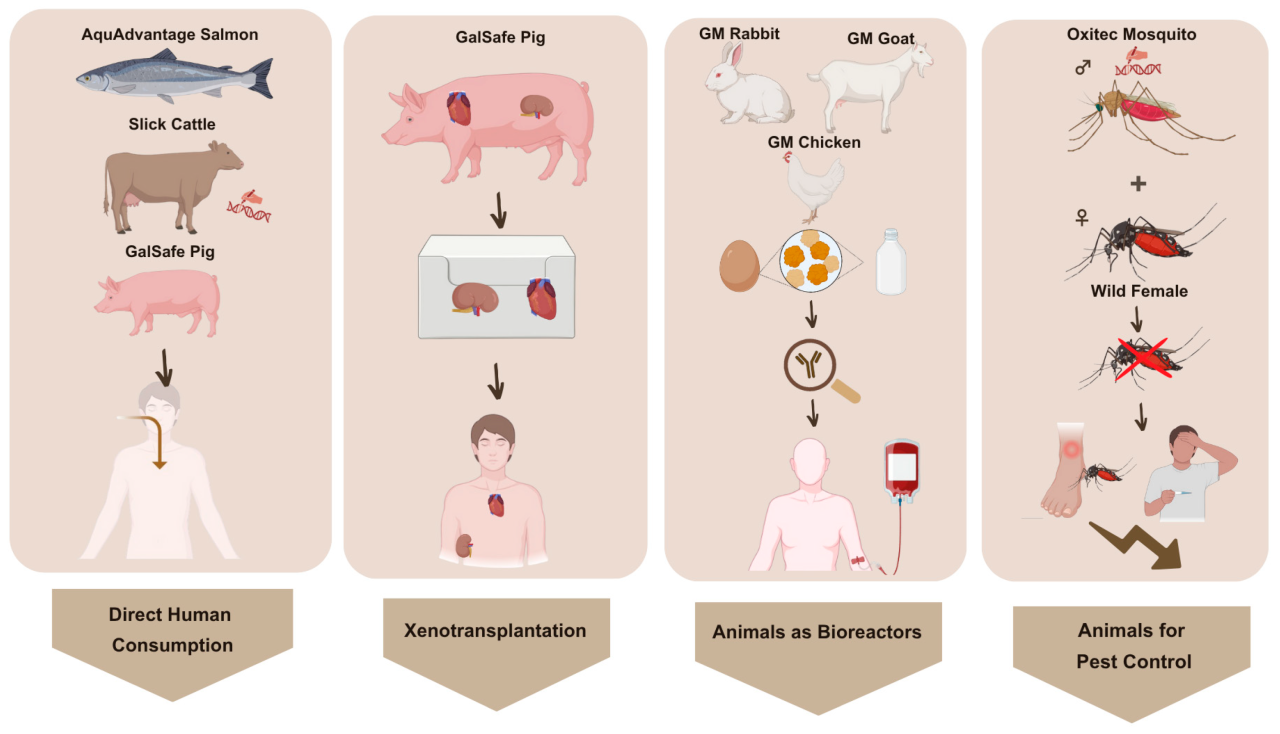
The commercial motivation for custom-engineered pets stems from consumer demand for healthiest, longest-living, and highly personalized companion animals. Rather than focusing purely on novelty, much of current research concentrates on addressing common pet ownership challenges.
Functional and Aesthetic Genetic Modifications
A. Hypoallergenic Cats and Fel d 1 Knockout
Feline allergies affect millions of households worldwide. The primary trigger is not cat hair, but a protein named Fel d 1, secreted through feline saliva, dander, and sebaceous glands. By utilizing CRISPR-Cas9 gene editing, biotechnology firms can knock out the CH1 and CH2 genes responsible for producing Fel d 1 in feline embryonic cells. This eliminates the allergen at its source while preserving the animal’s overall health and physiological functions.
B. Eradication of Breed-Specific Hereditary Diseases
Centuries of selective line breeding have left purebred dogs vulnerable to debilitating genetic disorders.
- Brachycephalic obstructive airway syndrome (BOAS) in Bulldogs and Pugs.
- Hip dysplasia and degenerative myelopathy in German Shepherds.
- Hypertrophic cardiomyopathy (HCM) in Maine Coon cats.
Gene editing provides a way to correct these point mutations at the chromosomal level before embryo implantation. By removing mutated alleles from breeding lines, bioengineers can restore physical health to purebred lines without compromising their distinct aesthetic traits.
C. Extended Canine and Feline Longevity
Telomere shortening and oxidative cellular damage are primary drivers of aging in domestic pets. Research teams are targeting pathways related to IGF-1 (Insulin-like Growth Factor 1) and mTOR (mammalian target of rapamycin) signaling to slow down cellular breakdown. By introducing gene therapies that preserve telomere length and enhance cellular repair, scientists aim to extend the healthy lifespan of domestic dogs and cats by several years.
D. Custom Aesthetic and Novelty Traits
Visual alterations represent the most publicly recognized category of transgenic pets. The commercial success of GloFish—aquarium fish engineered with fluorescent proteins—demonstrates market interest in novelty traits. Research is expanding toward non-shedding coat modifications, altered pigmentation patterns, and custom physical markers in small mammals and companion species.
+-----------------------------------------------------------------------+
|                  PRIMARY TARGET TRAITS IN BIO-PETS                    |
+-----------------------------------------------------------------------+
| TRAIT CATEGORY          | BIOLOGICAL MECHANISM                        |
+-------------------------+---------------------------------------------+
| Hypoallergenic          | Disruption of allergen protein genes        |
| Health Optimization     | Repair of hereditary disease alleles        |
| Extended Longevity      | Telomere preservation & mTOR regulation     |
| Aesthetic Alteration    | Transgenic expression of fluorophores       |
+-----------------------------------------------------------------------+
Market Dynamics and Economic Viability
The companion animal industry represents a global market valued at over one hundred billion dollars, driven by rising consumer spending on pet wellness and care. Genetic engineering introduces a high-margin segment to this market.
Market Insight: As biotechnology infrastructure expands, the cost of custom gene editing in companion animals is expected to drop, following a trajectory similar to genomic sequencing over the past two decades.
Key Drivers of Market Expansion
A. Rising Consumer Expenditures on Pet Healthcare
Pet owners increasingly treat companion animals as family members. This shift drives demand for advanced healthcare, including personalized medicine, genomic screening, and preventive genetic treatments.
B. Scalability of Gene Editing Technologies
The transition from early cloning methods to CRISPR-based techniques has reduced the cost and laboratory time required for genetic modification. This cost reduction allows specialized biotechnology firms to scale operations beyond research labs to commercial markets.
C. High-End Luxury Consumer Segment
Specialty genetic services—such as pet cloning, hypoallergenic engineering, and custom trait selection—command premium pricing. High-net-worth individuals represent an initial consumer base willing to pay premium prices for specialized companion animals.
Ethical Questions and Welfare Considerations
While the scientific possibilities of genetic engineering are vast, modifying animal genomes for human preferences introduces important ethical questions. Animal welfare advocates, bioethicists, and veterinarians emphasize the need to carefully balance human desires with animal health and well-being.
                    +---------------------------+
                    |  ETHICAL REFLECTION AXIS  |
                    +---------------------------+
                                  |
         +------------------------+------------------------+
         |                                                 |
         v                                                 v
  [ Animal Welfare ]                               [ Human Intent ]
  - Off-target effects                             - Health benefit
  - Welfare & longevity                            - Aesthetic preference
  - Behavioral stability                           - Commercial drive
Key Bioethical Challenges
A. Off-Target Genetic Mutations and Health Risks
Gene editing technologies like CRISPR can occasionally cause off-target effects—unintended cuts or mutations in non-targeted areas of the genome. These unintended alterations can cause genetic instability, heightened cancer risks, or unforeseen physiological complications later in an animal’s life.
B. Animal Welfare and High Embryonic Loss Rates
Somatic Cell Nuclear Transfer and embryo engineering require surrogate animals to carry modified embryos. Historically, SCNT procedures have involved low efficiency rates, resulting in high embryonic loss, miscarriages, and developmental abnormalities. Ensuring high welfare standards for surrogate mothers and embryos remains a key ethical priority.
C. Commodification and Objectification of Living Animals
Critics argue that designing pets to fit specific aesthetic preferences reduces living creatures to customizable consumer goods. This shift could potentially impact public attitudes toward animal adoption and responsible pet ownership.
D. Ecosystem Risks from Escaped Transgenes
If genetically engineered animals escape into natural habitats or breed with feral populations, introduced transgenes could spread through wild gene pools. In aquatic species or small mammals, this could disrupt local food webs and native species dynamics.
Global Regulatory Frameworks
Developing clear regulatory policies for genetically modified companion animals presents a complex challenge for international governance. Different countries have adopted varying frameworks to oversee animal biotechnology.
+--------------------------------------------------------------------+
|                GLOBAL REGULATORY APPROACHES COMPARISON              |
+--------------------------------------------------------------------+
| REGION        | REGULATORY FOCUS          | APPROVAL PATHWAY       |
+---------------+---------------------------+------------------------+
| United States | FDA Center for Veterinary | Case-by-case IGA       |
|               | Medicine (CVM)            | review process         |
+---------------+---------------------------+------------------------+
| European Union| Precautionary Principle   | Strict GMO Directives  |
|               | and EFSA Risk Analysis    | and restrictions       |
+---------------+---------------------------+------------------------+
| Asia-Pacific  | Accelerated Innovation    | Streamlined frameworks |
|               | and Biotech Hubs          | for commercialization  |
+--------------------------------------------------------------------+
Regional Regulatory Landscapes
A. United States (FDA Oversight)
In the United States, the Food and Drug Administration (FDA) regulates intentional genomic alterations (IGAs) in animals through its Center for Veterinary Medicine (CVM). Under the Federal Food, Drug, and Cosmetic Act, an intentional genetic modification is often evaluated similarly to a new animal drug, requiring rigorous safety and efficacy assessments before commercial release.
B. European Union (Precautionary Approach)
The European Union applies a strict regulatory framework under its Genetically Modified Organisms (GMO) Directives. Guided by the precautionary principle, the European Food Safety Authority (EFSA) requires extensive environmental impact studies, health tracking, and animal welfare evaluations before any transgenic animal product or live specimen can enter the market.
C. Asia-Pacific Region (Accelerated Frameworks)
Several countries in the Asia-Pacific region are establishing streamlined regulatory pathways for biotechnology. By investing in centralized research facilities and updated regulatory frameworks, these jurisdictions aim to accelerate commercial approvals for gene-edited animals while maintaining safety standards.
Environmental DNA (eDNA) Tracking and Monitoring
As genetically modified pets become more common, tracking their environmental presence is vital for ecological conservation. Scientists at institutions like McGill University have pioneered methods using environmental DNA (eDNA) to monitor transgenes in natural ecosystems.
+-----------------------------------------------------------------------+
|                      eDNA MONITORING ECOSYSTEM                        |
+-----------------------------------------------------------------------+
|                                                                       |
|   [ Transgenic Pet ]  --->  [ Shed Water / Soil / Shed Hair ]         |
|                                         |                             |
|                                         v                             |
|   [ eDNA Sampling ]   --->  [ PCR Amplification & Sequencing ]        |
|                                         |                             |
|                                         v                             |
|   [ Transgene Identification ] ---> [ Early Containment Measures ]    |
+-----------------------------------------------------------------------+
Key Components of eDNA Tracking Systems
A. Shed Genetic Material Collection
Animals naturally leave behind biological traces—such as sloughed skin cells, hair, urine, and saliva—in soil and water systems. Researchers collect these samples directly from the environment without needing to capture live specimens.
B. Targeted Amplification of Artificial Transgenes
Using Polymerase Chain Reaction (PCR) assays, scientists can amplify specific synthetic genetic sequences that do not exist in wild populations. This process detects even microscopic traces of modified genetic material.
C. Early Warning and Containment Mechanisms
Regular eDNA monitoring allows wildlife authorities to detect escaped or released transgenic animals early. This early detection helps prevent invasive gene flow into wild species populations.
Future Outlook: The Next Decade in Pet Engineering
Looking ahead, genetic engineering will continue transforming companion animal care, moving beyond aesthetic modifications toward health optimization and preventative medicine.
+-----------------------------------------------------------------------+
|               PROJECTED TIMELINE OF PET GENOMICS                      |
+-----------------------------------------------------------------------+
|  EARLY ERA         |  CURRENT ERA           |  NEXT DECADE            |
|  - Random breeding |  - SCNT Cloning        |  - Multiplex CRISPR     |
|  - High health risks| - Single-trait edits   |  - Epigenetic tuning    |
|  - Unplanned edits |  - High costs          |  - Widespread access    |
+-----------------------------------------------------------------------+
Emerging Innovations to Watch
A. Multiplex Genome Editing
Future bioengineering will transition from single-gene edits to multiplex genome editing, allowing scientists to adjust dozens of genetic loci simultaneously. This capability will enable researchers to address complex polygenic conditions, such as canine cancer susceptibility and feline kidney disease.
B. Epigenetic Modification without DNA Breaks
Advances in epigenome editing will allow scientists to regulate gene expression without cutting double-stranded DNA. By turning specific genes on or off without altering the underlying nucleotide sequence, researchers can reduce off-target risks while achieving desired health outcomes.
C. Integration with Veterinary Personalized Medicine
Routine genomic sequencing will become standard practice in veterinary medicine. Doctors will analyze an individual animal’s genetic profile to tailor nutrition, preventive care, and gene therapy protocols to its specific biological needs.
Final Thoughts
The arrival of genetically engineered pets marks a new chapter in the human relationship with companion animals. The ability to eliminate painful hereditary diseases, reduce human allergens, and extend the healthy lifespan of pets offers clear animal welfare and human health benefits.
Achieving these benefits responsibly requires clear regulatory frameworks, strict ethical standards, and a continued focus on animal health. As genetic technologies continue to advance, society must ensure these powerful tools are used thoughtfully placing animal welfare and safety at the center of innovation.