

Table of contents
The digital world is defined by unpredictable trends, but few internet phenomena have matched the sheer viral power of the capybara. Across major social media channels like TikTok, Instagram, and YouTube, these calm creatures have transformed from native South American wildlife into globally recognized cultural icons. This article explores how a semi-aquatic rodent captured the hearts of millions, broke internet algorithms, and generated a massive online ecosystem.
Why Capybaras Took Over Social Media Algorithms
The sudden explosion of capybara content was not an accident; it was a perfect match for modern social media engagement dynamics. Short-form video platforms reward content that captures attention instantly and keeps viewers watching. The natural chill demeanor of the capybara provided a stark contrast to the fast-paced, high-stress atmosphere typical of modern internet feeds.
+-----------------------------------------------------------------------+
|                    THE VIRAL CAPYBARA ECOSYSTEM                       |
+-----------------------------------------------------------------------+
|  1. Unbothered Aesthetic    -->  Vibing through chaos without stress  |
|  2. Catchy Audio Pairing    -->  The iconic "Ok I Pull Up" soundscape |
|  3. Interspecies Socializing-->  Chilling with ducks, crocodiles, cats|
|  4. Merchandising Boom      -->  Plushies, memes, and viral products |
+-----------------------------------------------------------------------+
The Power of Chill Culture Online
In an era driven by fast content, constant news cycles, and high-energy creators, the capybara stands out as an emblem of peace. Internet users frequently refer to them as the most “unbothered” animals on Earth. This stoic energy acts as a digital calm zone, encouraging users to pause, like, and share short clips.
Key Drivers Behind the Global Capybara Craze
To understand how capybaras became an international digital phenomenon, it helps to examine the core factors that sparked their viral momentum.
A. The Iconic Audio Soundtrack
The viral surge exploded when creators paired video footage of capybaras with catchy audio tracks. Most notably, Don Toliver’s song After Party specifically the line “Ok I pull up” became the official anthem for capybara memes. Watching a calm rodent ride in a passenger seat or soak in a hot bath while heavy hip-hop beats played created a hilarious contrast that drove billions of views.
B. Interspecies Friendships
Capybaras are highly social herd animals. Social media feeds were quickly filled with images and videos showing capybaras relaxing beside animals that would normally avoid each other. Content featuring capybaras peacefully lounging near ducks, turtles, cats, birds, and even crocodiles captivated audiences worldwide.
C. Universal Visual Appeal
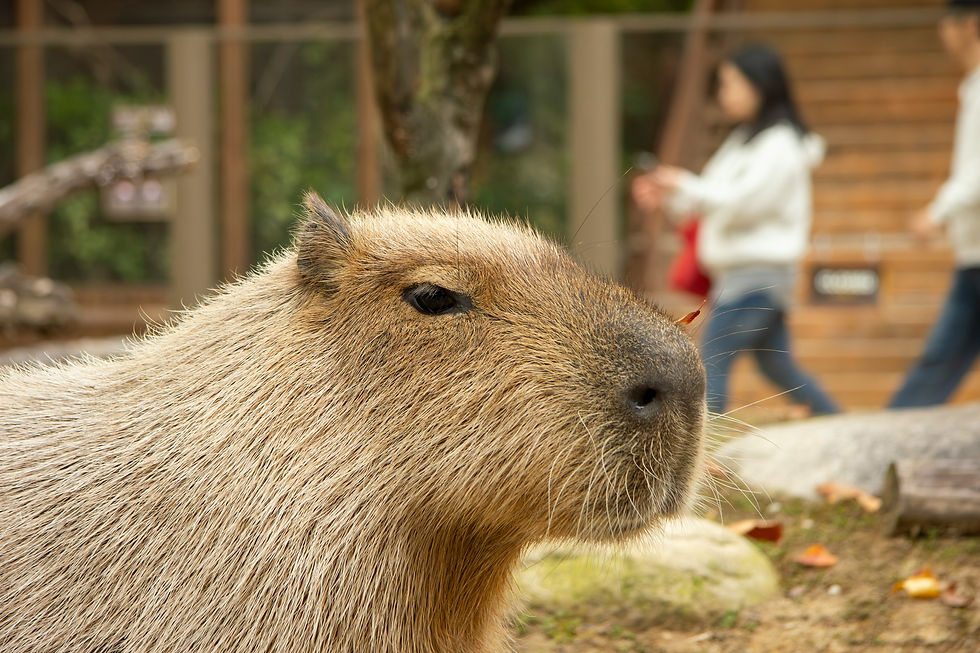
With their boxy snouts, gentle expressions, and compact bodies, capybaras fit the ideal profile for internet cute culture. Their unique visual presence makes them instantly recognizable across digital platforms.
D. The Spa and Citrus Aesthetic
Japanese zoos played a significant role in pioneering capybara media long before TikTok existed. Videos of capybaras soaking in outdoor hot springs (onsen) with yuzu citrus fruits floating on the water offered a deeply relaxing visual aesthetic that resonated globally.
Biological Facts About the World’s Largest Rodent
While their meme status brought them global fame, capybaras possess remarkable biological traits that make them fascinating creatures beyond social media feeds.
Capybara Quick Taxonomy & Profile:
- Scientific Name : Hydrochoerus hydrochaeris
- Native Habitat  : South American Wetlands & Savannas
- Classification  : World's Largest Rodent (Caviidae Family)
- Diet Type       : Herbivorous (Grasses and Aquatic Plants)
- Average Weight  : 35 to 66 kg (77 to 145 lbs)
Aquatic Adaptation and Physical Features
Capybaras are semi-aquatic mammals built for life around water. Their feet are partially webbed, making them skilled swimmers capable of remaining submerged underwater for up to five minutes to evade predators like jaguars and anacondas. Furthermore, their eyes, ears, and nostrils are located high on their heads—similar to hippos allowing them to breathe and look around while keeping most of their body submerged.

Monetization and E-Commerce Impact
The rise of the capybara trend demonstrates how internet memes rapidly spill over into real-world commercial success. Brands, toy manufacturers, and content creators moved quickly to monetize the global interest surrounding these animals.
Market Impact: Major retailers reported record sales for capybara-themed merchandise during peak viral cycles. Items included plush toys, slippers, phone cases, and home decor, proving that viral animal trends create multi-million dollar product ecosystems.
Digital Content Strategy and Search Visibility
For bloggers, publishers, and content creators, tapping into trending topics like capybaras requires a multi-angled strategy:
A. Targeting High-Volume Keyword Clusters
Capitalizing on search demand involves targeting queries around origin stories, meme explanations, care guides, and species facts.
B. Short-Form Video Optimization
Leveraging trending audio clips on TikTok and YouTube Shorts helps drive organic discovery, which can then be converted into blog traffic and ad revenue.
C. E-Commerce and Affiliate Integration
Pairing viral content with affiliate links for plushies, apparel, and themed gifts unlocks secondary revenue channels alongside traditional display advertising.
The Cultural Legacy of the Capybara Trend
The capybara’s rise to online stardom is a testament to the power of internet culture to transform obscure real-world subjects into global icons. By offering lighthearted humor, gentle aesthetics, and catchy music pairings, the capybara became a universally loved symbol of peace across social media. As digital trends continue to evolve, the capybara remains a timeless example of how wholesome content can capture global attention.