

Table of contents
For centuries, animal healthcare relied almost exclusively on reactive measures. When infectious diseases swept through livestock herds or congenital defects manifested in companion animals, veterinarians and agricultural producers depended on quarantine protocols, antibiotic administration, mass culling, or symptom mitigation. While these conventional strategies reduced immediate losses, they failed to eliminate the root vulnerabilities present within animal genomes.
The emergence of precision genome editing technologies most notably Clustered Regularly Interspaced Short Palindromic Repeats (CRISPR) has fundamentally transformed this paradigm. Rather than managing disease symptoms after infection, scientists can now modify specific DNA sequences to confer permanent, hereditary immunity against lethal pathogens. From eradicating billion-dollar swine viruses to curing hereditary muscular disorders in canines, gene editing represents a quantum leap forward in animal welfare, agricultural sustainability, and global food security.
Section 1: The Molecular Toolkit: How Precision Gene Editing Works
To understand how genetic interventions cure and prevent animal diseases, it is essential to examine the molecular mechanisms driving these technologies. Traditional animal breeding relies on selecting desirable traits over many generations, a slow process subject to genetic reassortment. Modern gene editing bypasses these limitations by making precise modifications directly within the organism’s existing DNA.
  [ Guide RNA (gRNA) ]  ---> Locates Target DNA Sequence
          │
          ▼
  [ Cas9 Endonuclease ] ---> Induces Site-Specific Double-Strand Break
          │
          ├─────────────────────────┬─────────────────────────┐
          ▼                         ▼                         ▼
 [ Non-Homologous End ]    [ Homology-Directed ]    [ Base / Prime Editing ]
   Joining (NHEJ)            Repair (HDR)             (No Strand Breaks)
   Knocks out target         Inserts corrective       Rewrites single bases
   viral receptor gene       gene sequence            without double cuts
Key Technologies in Molecular Editing
A. CRISPR-Cas9 System: Originating as a bacterial immune defense mechanism against predatory viruses, CRISPR-Cas9 utilizes a customizable guide RNA (gRNA) to direct the Cas9 nuclease enzyme to an exact DNA coordinate. Once positioned, the enzyme creates a double-strand break, triggering cellular repair mechanisms that can disable harmful genes or insert beneficial sequences.
B. Base Editing: A refined iteration of CRISPR that allows researchers to convert a single DNA base pair (e.g., converting C-G to T-A) without breaking the double-stranded DNA backbone. This minimizes unwanted mutations and increases editing precision for single-gene disorders.
C. Prime Editing: Often called a word processor for genomes, prime editing enables complex insertions, deletions, and base conversions without requiring donor DNA or causing double-strand breaks, lowering off-target risk.
D. Transcription Activator-Like Effector Nucleases (TALENs): An earlier generation of engineered restriction enzymes capable of cutting specific DNA sequences, still widely used in agricultural gene editing applications alongside zinc-finger nucleases (ZFNs).
Section 2: Conquering Livestock Epidemics Through Targeted Resistance
Infectious viral and bacterial diseases inflict severe casualties on global livestock populations, causing billions of dollars in economic losses annually and threatening rural livelihoods. Gene editing provides an unprecedented tool to render farm animals completely immune to these devastating illnesses.
Breakthrough Case Studies in Production Animals
A. Porcine Reproductive and Respiratory Syndrome (PRRS): PRRS is a viral disease that costs swine producers in North America and Europe over $1.75 billion annually. The virus targets swine macrophages by attaching to a specific cell surface protein known as CD163. Using CRISPR-Cas9, scientists at the Roslin Institute and commercial partners deleted a small domain of the CD163 gene. Pigs carrying this precise modification lack the functional receptor needed by the virus, rendering them completely resistant to PRRS infection while remaining fully healthy in all other physiological aspects.
B. Classical and African Swine Fever: Classical Swine Fever (CSF) and African Swine Fever (ASF) are highly contagious, frequently fatal hemorrhagic fevers affecting domestic and wild pigs. By introducing specific point mutations (such as the W576A mutation in key replication proteins) or knocking out viral entrance factors, researchers have generated swine herds with total or partial resistance to these deadly viral strains.
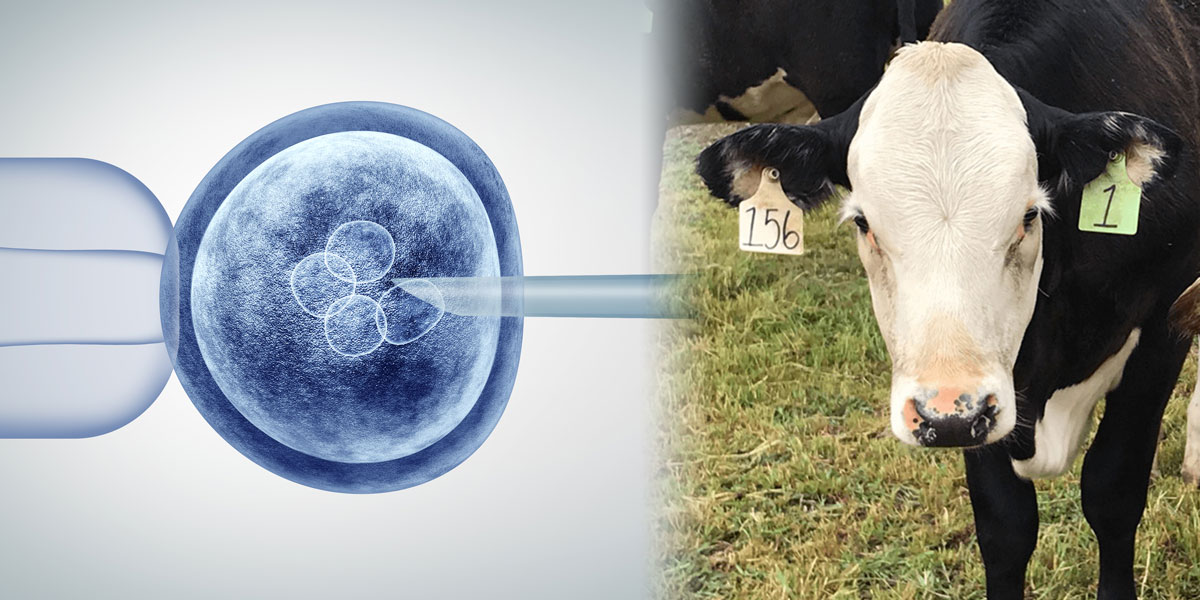
C. Avian Influenza (Bird Flu) in Poultry: Avian influenza outbreaks frequently necessitate the mass culling of tens of millions of commercial birds to prevent pandemic spread. By modifying the ANP32A gene family in chickens using CRISPR, researchers have successfully blocked the influenza virus from hijacking host proteins to replicate. This genetic shield protects poultry flocks and drastically reduces the potential for zoonotic transmission to humans.
D. Bovine Tuberculosis and Respiratory Pathogens: Cattle farming faces persistent threats from Mycobacterium bovis (bovine tuberculosis) and Mannheimia haemolytica (bovine respiratory disease complex). Incorporating specific disease-resistance genes, such as NRAMP1, into bovine genomes via CRISPR-Cas9 has generated cattle lines capable of suppressing bacterial replication, reducing reliance on agricultural antibiotics.
Section 3: Comparative Analysis: Traditional Interventions vs. Gene Editing
The transition from reactive veterinary treatments to prophylactic genome editing represents a monumental shift in disease management. The following table contrasts traditional livestock disease control methods with modern gene-editing applications.
| Attribute | Traditional Management (Vaccines/Antibiotics) | Selective Breeding Programs | CRISPR-Based Gene Editing |
| Primary Mechanism | External immune stimulation or chemical suppression | Slow selection of polygenic native traits | Direct target modification at the DNA level |
| Timeframe to Effect | Temporary protection; requires repeated dosing | Decades across multiple animal generations | Immediate in edited generation; fully heritable |
| Protection Efficiency | Variable (50%–85% efficacy depending on strain) | Modest incremental disease resilience | Up to 100% complete disease resistance |
| Pathogen Resistance | Vulnerable to viral mutation and drug resistance | Slow adaptation to emerging pathogens | Can target conserved viral entry receptors |
| Economic Burden | High ongoing labor, medicine, and loss costs | Low per-animal cost, but delayed ROI | High initial R&D; zero long-term medicine costs |
| Animal Welfare Impact | Animals still experience mild to severe symptoms | Variable progress in disease resistance | Prevents infection entirely; eliminates suffering |
Section 4: Therapeutic Advances in Companion Animals and Small Mammals
While livestock applications focus heavily on agricultural productivity and infectious disease prevention, gene editing in companion animals (cats, dogs, and horses) focuses on curing inherited monogenic disorders and debilitating congenital conditions.
  [ Vector Construction ]  ---> Packaging CRISPR/Cas components into AAV capsids
          │
          ▼
  [ Direct Delivery ]      ---> Systemic or local injection (Intramuscular/IV)
          │
          ▼
  [ Gene Correction ]      ---> Restoration of functional protein production (e.g., Dystrophin)
Key Companion Animal Applications
A. Canine Duchenne Muscular Dystrophy (DMD): DMD is a severe X-linked muscle-wasting disease caused by mutations in the dystrophin gene. Using Adeno-Associated Virus (AAV) vectors, researchers delivered CRISPR base editors into the muscle tissue of golden retrievers affected by DMD. The treatment restored dystrophin protein expression to functional levels, dramatically improving muscle structure and locomotive capability.
B. Feline Hypertrophic Cardiomyopathy (HCM): HCM is the most common heart disease in domestic cats, frequently leading to sudden cardiac collapse or heart failure. Precision editing techniques are currently being utilized to repair specific point mutations in the MYBPC3 gene, preventing the pathological thickening of the heart muscle.
C. Ocular Degeneration and Inherited Blindness: Retinal dystrophies in canines—such as Progressive Retinal Atrophy (PRA)—mirror human retinitis pigmentosa. In vivo CRISPR therapies targeting defective photoreceptor genes have successfully halted photoreceptor cell death and restored vision in affected dogs.
Section 5: Improving Animal Welfare Beyond Infectious Disease
Gene editing applications extend well beyond viral and bacterial pathogens. Researchers are leveraging genomic alterations to address chronic physical injuries, thermal stress, and handling trauma, directly advancing animal welfare standards.
Welfare Innovations Enabled by Genomic Modification
A. Polled (Hornless) Cattle Breeds: Dairy cattle naturally grow horns that pose physical safety risks to handlers and other herd members. The traditional removal process (dehorning) is painful and invasive. By introducing the naturally occurring “polled” gene variant ($P_c$) into Holstein dairy cattle genomes using CRISPR-Cas12a, scientists created hornless dairy cows, eliminating the need for surgical dehorning.
B. Slick Hair Coat for Thermal Tolerance: Climate change presents severe heat stress challenges for livestock raised in tropical regions. Editing the prolactin receptor ($PRLR$) gene produces cattle with a short, sleek hair coat (“slick gene”). This trait enhances thermoregulation, allowing cattle to maintain lower core body temperatures and avoid heat-induced metabolic distress without compromising milk or meat yield.
C. Semen Sexing and Population Control: Sex-skewed agricultural production often results in unwanted male offspring in the dairy and egg industries. CRISPR-mediated sex-selection techniques allow for the production of single-sex offspring lineages, preventing the unnecessary culling of male calves and chicks.
Section 6: One Health: Preventing Zoonoses and Advancing Xenotransplantation
The concept of “One Health” recognizes that human health, animal health, and ecosystem viability are inextricably linked. By eliminating diseases in animals, gene editing provides powerful downstream benefits for human global health.
  ┌─────────────────────────────────────────────────────────────┐
  │                        ONE HEALTH                           │
  │                                                             │
  │  ┌──────────────────┐             ┌──────────────────────┐  │
  │  │  Animal Health   │─────────────│     Human Health     │  │
  │  │                  │             │                      │  │
  │  │ - Disease Resistance             │ - Zero Zoonotics     │  │
  │  │ - Reduced Suffering             │ - Xenotransplants   │  │
  │  └──────────────────┘             └──────────────────────┘  │
  │           │                                  │              │
  │           └────────────────┬─────────────────┘              │
  │                            ▼                                │
  │              ┌───────────────────────────┐                  │
  │              │    Ecosystem Stability    │                  │
  │              │                           │                  │
  │              │ - Reduced Antibiotic Use  │                  │
  │              │ - Lower Carbon Footprint  │                  │
  │              └───────────────────────────┘                  │
  └─────────────────────────────────────────────────────────────┘
Human Health Impacts of Animal Gene Editing
A. Blocking Zoonotic Spillover: Over 60% of known human infectious diseases and 75% of emerging infectious diseases originate in animals. Eradicating reservoirs of zoonotic pathogens—such as Avian Influenza in poultry or Swine Flu in pigs—substantially diminishes the risk of future global human pandemics.
B. Pigs as Donors for Human Xenotransplantation: The global shortage of human organs for transplantation has driven researchers to edit pig genomes for human organ compatibility. Untreated pig tissues contain Porcine Endogenous Retroviruses (PERVs) and carbohydrate antigens that trigger hyperacute organ rejection in human recipients. Using CRISPR, scientists knocked out dozens of PERV sequences simultaneously while removing alpha-gal antigens, producing “humanized” pig organs that have been successfully transplanted into human patients.
C. Curtailing Global Antimicrobial Resistance (AMR): Livestock farming accounts for a significant portion of worldwide antibiotic consumption. By engineering intrinsic genetic resistance to common bacterial and viral infections, farmers can drastically reduce their reliance on antibiotics, slowing the global rise of drug-resistant superbugs.
Section 7: Navigating Regulatory Frameworks, Safety, and Ethical Directives
Despite the overwhelming clinical and agricultural potential of gene editing, widespread adoption hinges on navigating complex regulatory systems, evaluating ecological impacts, and addressing public ethical concerns.
Regulatory Approaches Across Global Jurisdictions
A. United States (FDA & USDA): The U.S. Food and Drug Administration’s Center for Veterinary Medicine (CVM) regulates intentional genomic alterations (IGAs) in animals. In 2020 and subsequent years, the FDA approved gene-edited animal traits—such as low-risk slick-coat cattle and PRRS-resistant pigs—establishing a streamlined regulatory pathway for traits that mimic naturally occurring mutations or present minimal safety risk.
B. European Union Directive: Historically, the EU subjected gene-edited organisms to the same rigid regulatory framework as traditional Genetically Modified Organisms (GMOs). However, ongoing legislative reviews are shifting toward distinguishing gene editing (which makes precise edits within an organism’s existing DNA) from transgenic modification (which inserts foreign DNA from different species).
C. Latin America and Asia: Countries like Brazil, Argentina, and Japan have adopted progressive frameworks. If an edited animal contains no foreign recombinant DNA, it is classified as conventional livestock rather than a GMO, significantly expediting commercial approval.
Addressing Off-Target Effects and Safety
A major technical challenge in gene editing involves off-target cleavage—where the nuclease enzyme cuts unintended regions of the genome. To ensure maximum biological safety before commercial release, developers utilize:
A. High-Fidelity Cas Enzymes: Engineered Cas variants (such as HiFi Cas9) that drastically reduce off-target binding activity.
B. Whole-Genome Sequencing (WGS): Comprehensive genomic screening of edited founder animals to confirm that no unintended mutations were introduced into non-target genes.
C. Multi-Generational Stability Testing: Longitudinal monitoring across multiple breeding cycles to verify that edited traits inherit predictably without triggering compensatory genetic disorders.
Section 8: Step-by-Step Pathway to Commercial Implementation
Bringing a gene-edited disease-resistant animal from concept to commercial agriculture requires a multi-stage scientific and regulatory workflow.
Implementation Workflow
A. Target Identification: Identification of the precise host gene or cell surface receptor required for pathogen entry or disease manifestation (e.g., the CD163 receptor for PRRS).
B. In Vitro Guide RNA Validation: Designing and testing gRNA sequences in primary cell cultures to evaluate editing efficiency and check for off-target cleavage.
C. Zygote Microinjection or Somatic Cell Nuclear Transfer (SCNT): Delivering editing components directly into fertilized embryos or transfecting somatic cells followed by cloning to generate edited founder animals ($F_0$).
D. Phenotypic and Disease Challenge Testing: Exposing founder animals to the target pathogen in high-containment biosafety facilities to prove complete immunity under real-world conditions.
E. Herd Expansion and Regulatory Clearance: Breeding founder animals with conventional stocks to establish elite breeding lines ($F_1$, $F_2$), followed by submitting health and environmental safety dossiers to regulatory bodies for public distribution approval.
Section 9: The Future Horizon: Synthetic Biology and Multi-Disease Resistance
Looking toward the coming decade, the field of animal genome editing is moving beyond single-gene modifications toward complex polygenic engineering and synthetic biology applications.
  Current Paradigm (Single-Trait Editing)      Future Paradigm (Multiplex Editing)
  ┌─────────────────────────────────────┐      ┌─────────────────────────────────────┐
  │  - Single gene knockout (e.g. CD163)│  ──> │  - Simultaneous Multi-Disease Resistance│
  │  - Protection against 1 pathogen    │      │  - Built-in Heat Stress Tolerance   │
  │  - Local herd implementation        │      │  - Optimized Growth & Feed Efficiency│
  └─────────────────────────────────────┘      └─────────────────────────────────────┘
Future Technological Frontiers
A. Multiplex Genome Editing: Concurrent editing of multiple genes within a single embryo. Future livestock generations will possess stacked resistance traits, protecting them simultaneously against viral, bacterial, and parasitic vectors (e.g., combined PRRS, Swine Flu, and Classical Swine Fever protection in a single pig line).
B. Gene Drives for Vector-Borne Disease Control: Utilizing gene drives to propagate protective alleles or sterile traits through wild disease-vector populations (such as ticks carrying Lyme disease or mosquitoes vectoring heartworm), suppressing livestock and pet transmission across entire regions.
C. Epigenome Editing: Modifying gene expression without changing the underlying DNA sequence. By targeted methylation or acetylation of specific promoters, scientists can temporarily turn off disease susceptibility genes or turn on immune pathways during critical stress periods.
Conclusion: A Transforming Era in Veterinary Science
Gene editing is no longer a theoretical technology confined to academic laboratories; it is a proven, transformative tool that is rewriting the future of animal healthcare. By converting vulnerable genomes into disease-resistant hosts, CRISPR and its successor tools offer permanent solutions to livestock epidemics that have plagued agriculture for centuries.
The impacts extend far beyond livestock survival statistics. Eliminating infectious diseases reduces widespread animal suffering, secures global food supply chains, diminishes agricultural reliance on antibiotics, and shields humanity from future pandemic threats. As global regulatory frameworks adapt and consumer understanding grows, gene-edited animals will form the cornerstone of a healthier, more sustainable, and highly resilient planetary ecosystem.