Table of contents
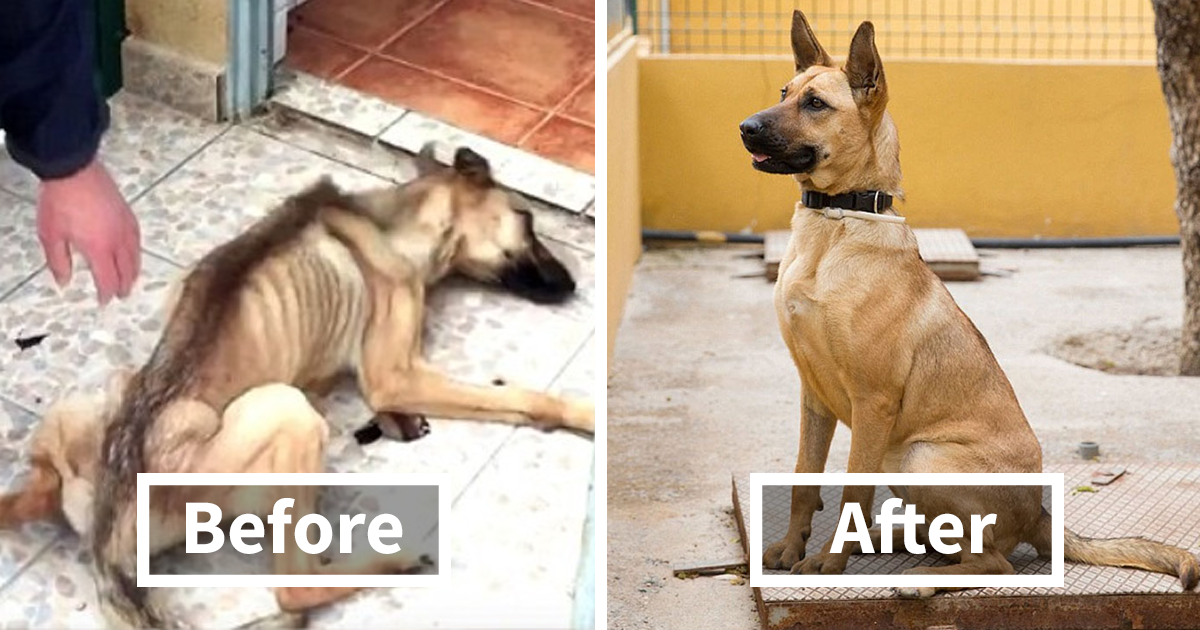
In the vast, often overwhelming landscape of internet content, few stories possess the raw, emotional power to stop a user mid-scroll and capture the collective heart of the global community. Among memes, viral dances, and political discourse, a unique genre has emerged as a consistent beacon of hope: the rescue dog transformation story. These narratives, often chronicled through a simple pair of “before and after” photographs, do more than just showcase a physical change. They tell a profound tale of neglect and nurture, of fear and trust, and of the incredible resilience inherent in our canine companions. This article delves deep into the phenomenon of the viral rescue dog, exploring not just the heartwarming “after” but the challenging, complex, and rewarding journey that leads to that miraculous transformation. We will uncover the stages of rehabilitation, the science behind the bond, and the practical steps you can take to become a part of this life-saving movement.
The “Before”: Understanding the Depth of Despair
The journey of every transformed rescue dog begins in a place of darkness. The “before” picture, often shocking and difficult to view, is a crucial part of the story. It’s not merely for dramatic effect; it is a testament to the suffering these animals have endured and the mountain they must climb.
A. Common Conditions of Newly Rescued Dogs
When a dog is rescued from a neglectful or abusive situation, the physical and psychological scars are often extensive.
- Severe Malnutrition and Skeletal Weakness: Many rescue dogs are emaciated, with their ribs, hip bones, and spine visibly protruding. This isn’t just a lack of food; it’s a systemic crisis. It leads to muscle atrophy, organ weakness, and a compromised immune system, making them susceptible to every passing illness.
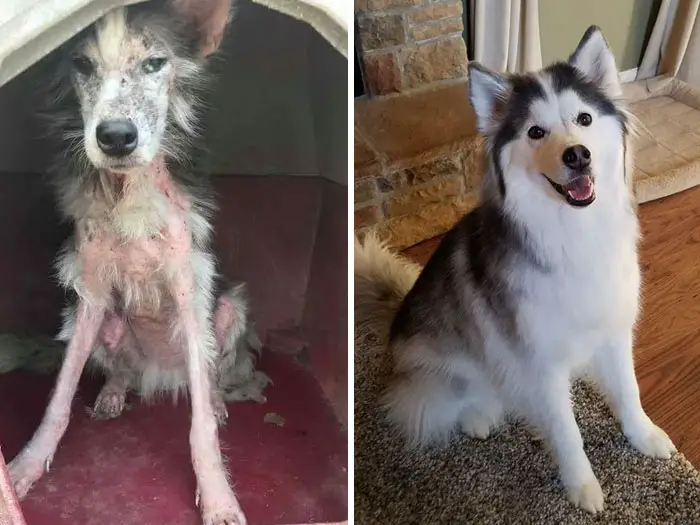
- Parasitic Infestations: Internal parasites like roundworms, hookworms, and whipworms steal what little nutrients the dog consumes. External parasites, such as fleas, ticks, and mange mites, cause intense itching, leading to hair loss, open sores, and severe skin infections. Sarcoptic mange, in particular, can make a dog look beyond recognition.
- Dental Disease and Oral Trauma: Rotten teeth, broken jaws, and severe gum disease are common in dogs who have been fed improper diets or used as “bait” in fighting rings. This pain affects their ability to eat and their overall demeanor.
- Untreated Injuries and Chronic Pain: Fractures that have healed incorrectly, embedded buckshot, torn ligaments, and chronic arthritis are silent burdens many rescue dogs carry. They have learned to live with constant pain, which shapes their worldview.
- Profound Psychological Trauma: The physical wounds are often easier to treat than the invisible ones. A rescue dog may suffer from:
- Crippling Fear: Fear of humans, specific objects (brooms, sticks), loud noises, or other animals.
- Severe Anxiety and PTSD: Manifesting as pacing, whining, destructiveness, or trembling.
- Lack of Socialization: They may not understand basic human-dog interactions, how to play with toys, or even what a kind touch feels like.
- Trust Issues: Building trust with a creature that has known only betrayal is the rescuer’s first and most critical task.
The Turning Point: The Moment of Rescue and The First Steps to Recovery
The moment a dog is pulled from its dire circumstances is the pivotal turning point in its story. This is often orchestrated by a network of dedicated individuals and organizations.
A. The Rescue Ecosystem: A Chain of Compassion
The journey from the streets or a kill shelter to a forever home is facilitated by a well-orchestrated system.
- Animal Control and Shelter Intake: The dog is often first picked up by animal control or surrendered to a municipal shelter. Here, it receives a basic health check and is held for a mandatory stray period.
- The Role of Rescue Organizations: Foster-based rescue groups are the backbone of this transformation. They pull the most vulnerable dogs from shelters that are overcapacity or lack the resources for intensive rehabilitation. These groups are typically run by volunteers and funded by donations.
- The Foster Home: A Bridge to a New Life: Foster homes are the unsung heroes. They provide a safe, quiet, and predictable environment where the dog can decompress. Foster parents administer medication, provide proper nutrition, and, most importantly, begin the patient work of rebuilding trust without the pressure of a permanent home.
B. The Critical First 72 Hours: Decompression and Assessment
The initial days after rescue are a delicate period. Rescuers follow a “rule of threes” as a general guideline:
- First 3 Days: The dog is overwhelmed and frightened. It may not understand it is safe. It is likely to hide, not eat or drink much, and test boundaries. The focus is on providing quiet, space, and consistency.
- First 3 Weeks: The dog starts to settle in. It learns the routine, begins to show its personality, and trust starts to build. Behavioral issues may surface as the dog feels secure enough to express itself.
- First 3 Months: The dog finally understands it is in a secure, permanent-seeming home and its true personality blossoms.
The initial veterinary visit is paramount. A comprehensive workup, including blood tests, fecal exams, vaccinations, and spay/neuter surgery, lays the foundation for physical recovery.
The Transformation Process: A Multifaceted Journey to Wholeness
The visible transformation a glossy coat and a healthy weight is the final product of months, sometimes years, of dedicated work. This process happens on multiple fronts simultaneously.
A. Physical Rehabilitation: Restoring the Body
The physical healing is a science and an art, requiring patience and careful monitoring.
- Veterinary Care and Nutritional Support: Recovery starts with addressing immediate medical needs. This may involve treating infections, performing life-saving surgeries, or managing chronic conditions like heartworm. Nutrition is managed carefully; a severely malnourished dog cannot be fed a large amount of food immediately (a condition called refeeding syndrome can be fatal). They are started on small, frequent, highly nutritious meals.
- The “Blossoming” Coat: As nutrition improves and parasites are eliminated, the most visible sign of change emerges. A dull, patchy, or inflamed coat sheds away, replaced by a shiny, healthy one. This is a direct reflection of improved internal health.
- Building Muscle and Strength: Once cleared by a vet, gentle exercise is introduced. Short, slow walks help rebuild atrophied muscles and strengthen bones. Hydrotherapy (underwater treadmill) is often used for dogs with orthopedic issues, as it builds strength without impact.
B. Psychological and Emotional Rehabilitation: Healing the Invisible Wounds
This is the most challenging and rewarding part of the transformation. It requires immense empathy, consistency, and often the guidance of a professional behaviorist.
- Building Trust Through Positive Reinforcement: Trust is built in tiny, incremental moments. It’s created when a fearful dog takes a treat from a hand and isn’t punished. It’s built when a person sits quietly in the same room, ignoring the dog until it chooses to approach. Force-free, reward-based training is the gold standard. Every desired behavior is rewarded with a high-value treat, a kind word, or a gentle pet, creating positive associations with human interaction.
- Counter-Conditioning and Desensitization: For dogs with specific fears (e.g., men with hats, other dogs), a systematic process is used. The fear trigger is presented at such a low intensity that it doesn’t provoke a fearful reaction (desensitization), and is paired with something the dog loves, like chicken (counter-conditioning). Over time, the dog learns to associate the once-scary thing with a positive outcome.
- Learning to “Be a Dog”: Many rescued dogs have never learned how to play. Foster parents patiently introduce toys, using playful voices and movements to spark interest. They may teach basic commands like “sit” and “come,” which not only provide mental stimulation but also build a dog’s confidence by giving it a way to succeed and earn rewards.
- Creating Structure and Routine: Predictability is a powerful antidote to anxiety. Feeding, walking, and playtime at the same times each day help a traumatized dog understand that its world is now safe and predictable.
The “After”: The Viral Moment and Life in a Forever Home
After weeks or months of painstaking work, the dog is almost unrecognizable. This is the moment that captivates the internet.
A. The Power of the “Before and After” Photo
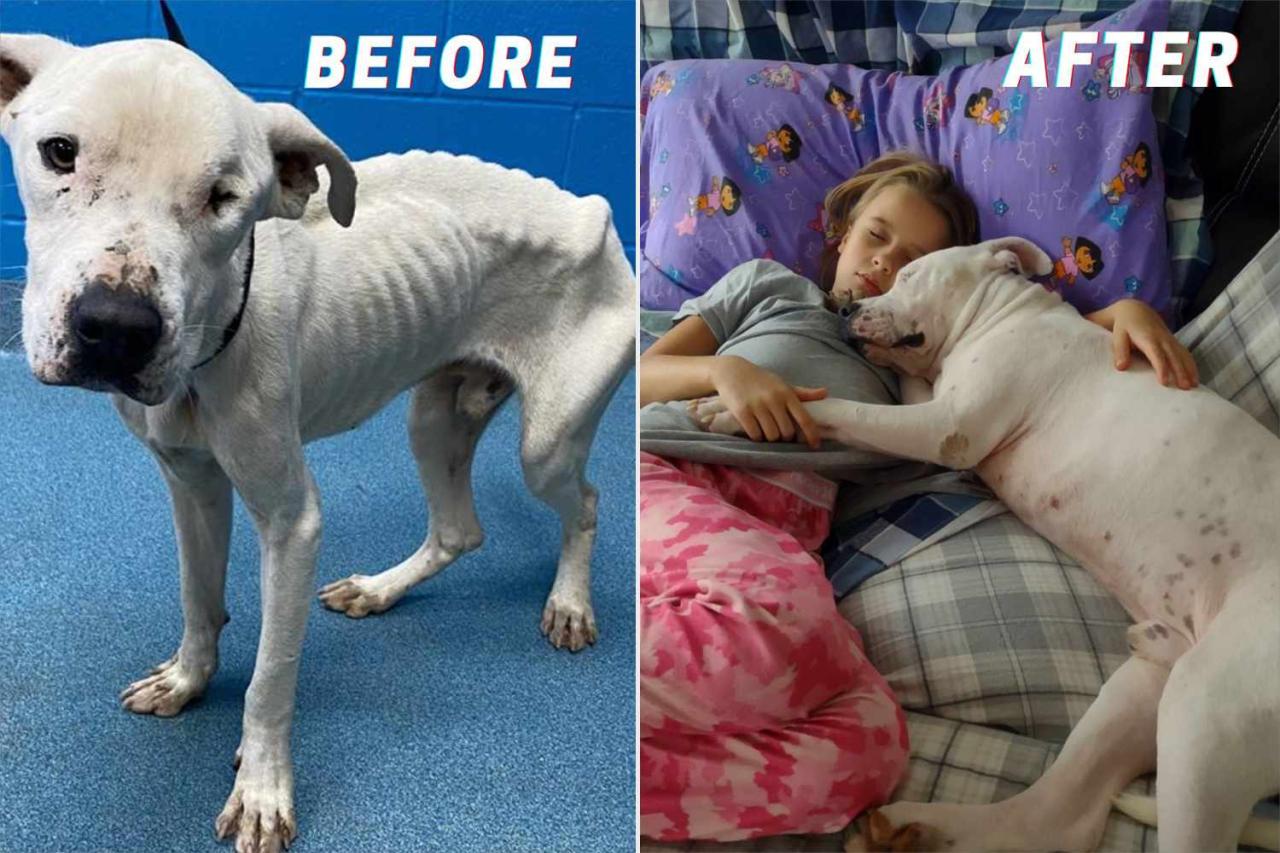
The side-by-side comparison is so powerful because it is a visual shorthand for an epic story of redemption. It encapsulates a journey of hundreds of hours of care into a single, digestible image. It provides a tangible, undeniable symbol of hope proof that profound change is possible and that compassion can literally reshape a life. When these stories go viral, they do more than just make people feel good; they raise awareness, inspire donations, and encourage adoption.
B. The Journey to Adoption
Once a dog is physically and emotionally ready, the rescue organization begins the process of finding its perfect “forever home.” This is a meticulous process designed to ensure the match is successful and permanent.
- The Application and Screening Process: Potential adopters fill out detailed applications. Rescues look for applicants who understand the dog’s history, have a suitable lifestyle, and are committed to positive reinforcement training methods.
- The Meet-and-Greet: The dog meets its potential new family, sometimes including other pets, in a neutral, controlled setting.
- The Home Visit and Trial Period: Many rescues conduct a home visit to ensure the environment is safe. A trial adoption period allows both the dog and the family to ensure it’s a good fit before the adoption is finalized.
C. The Fulfillment of a Promise
The final chapter of the transformation is life in a loving home. This is where the rescued dog, once a symbol of suffering, becomes a beloved family member. It learns the rhythms of a happy life: morning walks, cozy naps on the couch, the joy of a game of fetch, and the security of unconditional love. The bond formed with an owner who has chosen to give a second chance is often exceptionally deep and rewarding.
The Ripple Effect: Why These Stories Matter Beyond the Screen
The impact of a single rescue dog’s viral transformation extends far beyond the individual animal. It creates a powerful ripple effect that influences society’s view of animal welfare.
A. Raising Awareness and Driving Change
These stories put a face to the abstract problem of pet overpopulation and shelter euthanasia. They make the issue personal and urgent, motivating people to act.
B. Inspiring a Culture of Adoption
Every viral “rescue dog” story challenges the perception that shelter pets are “damaged goods.” It showcases the incredible, loving companions waiting for a chance in shelters and rescues, encouraging potential pet owners to “adopt, not shop.”
C. Generating Crucial Financial Support
Viral stories often lead to an influx of donations to the rescue organizations involved. These funds are critical for pulling the next dog from a desperate situation, creating a cycle of salvation.
D. Encouraging Volunteerism and Fostering
Witnessing a transformation inspires people to get involved directly. They may sign up to become foster homes, volunteer at local shelters, or transport animals, expanding the network of care.
How You Can Be a Part of the Transformation
Feeling inspired? The journey of rescue transformation relies on a community of support. Here are concrete ways you can contribute, even if you’re not ready to adopt.
A. Adopt, Don’t Shop: If you are ready for a pet, make your local shelter or rescue group your first and only stop.
B. Become a Foster Home: Open your home temporarily to a dog in need. You provide the safe space; the rescue typically covers all expenses.
C. Volunteer Your Time: Shelters and rescues always need help with walking dogs, cleaning kennels, assisting at adoption events, and providing administrative support.
D. Donate Supplies or Funds: Monetary donations are always needed, but so are tangible items like food, blankets, toys, and cleaning supplies.
E. Advocate and Educate: Use your voice and your social media platforms to share adoptable pets, promote spay/neuter programs, and educate others about responsible pet ownership.
Conclusion: More Than a Makeover, A Rebirth
The viral transformation of a rescue dog is not a simple makeover. It is a profound metamorphosis, a literal and figurative rebirth. It is a testament to the animal’s indomitable will to live and the transformative power of human compassion, patience, and love. These stories remind us that within every broken creature lies the potential for wholeness, and that by extending a hand of kindness, we do not just save an animal we unlock a source of pure, unwavering loyalty and love that enriches our own lives beyond measure. The next time you see a “before and after” photo in your feed, remember the immense journey it represents, and consider how you, too, can help write the next chapter of hope