Table of contents
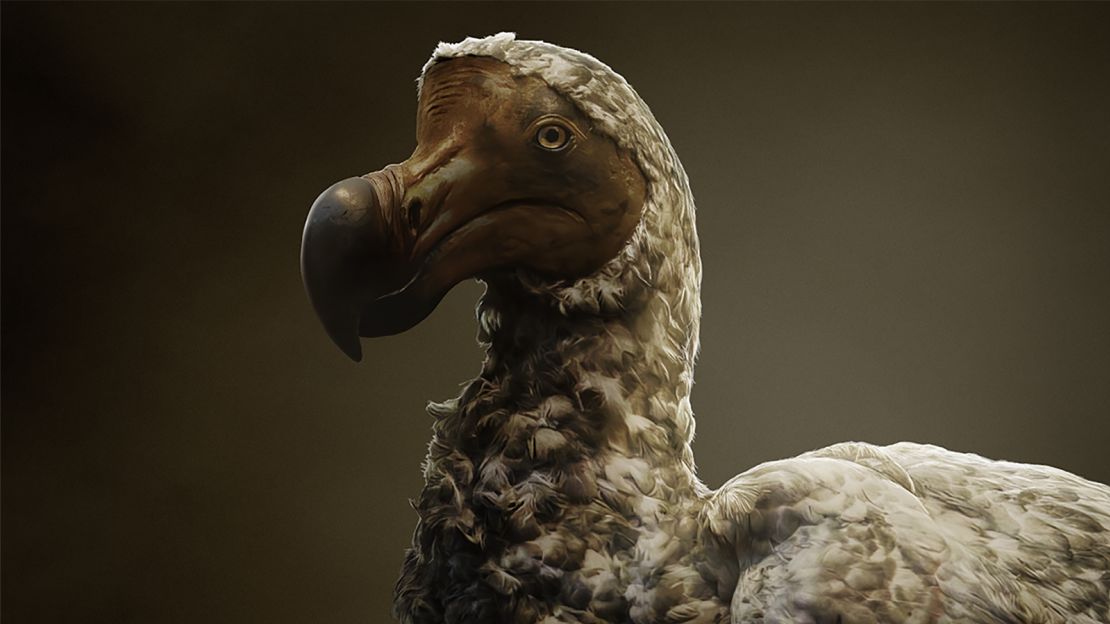
The dodo bird (Raphus cucullatus), a flightless avian species endemic to the isolated island of Mauritius in the Indian Ocean, has stood as the ultimate symbol of human-caused extinction for over three centuries. Discovered by European sailors in the late sixteenth century, the dodo vanished in less than a hundred years due to relentless hunting, habitat alteration, and the introduction of invasive mammalian predators like rats, pigs, and macaques. For centuries, the phrase “dead as a dodo” embodied an absolute, irreversible end. Today, groundbreaking advances in synthetic biology, ancient DNA retrieval, and avian genetic engineering are turning that historical narrative upside down.
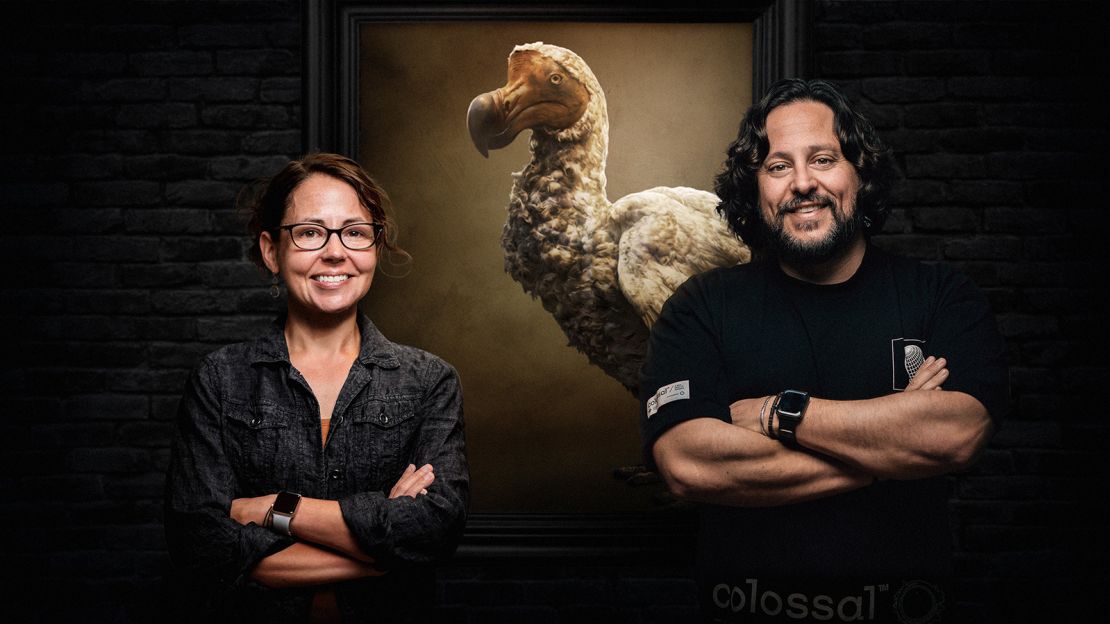
Through an ambitious blend of molecular paleontology, gene editing, and reproductive biotechnology, scientists at leading genetic engineering organizations—most notably Colossal Biosciences—are actively working to bring a proxy version of the extinct dodo back to life. This historic de-extinction initiative aims not only to construct a living bird that physically and behaviorally resembles the dodo, but also to reintroduce this species to its natural habitat in Mauritius, breathing new life into degraded island ecosystems.
The Natural History and Tragic Demise of the Dodo
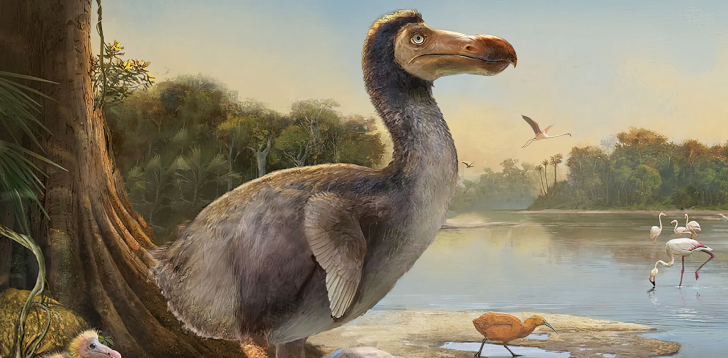
To understand why the revival of the dodo captures global attention, one must first look at how the bird lived and why it disappeared. Long before human arrival, ancestors of the dodo flew across the Indian Ocean and settled on Mauritius. Over millions of years of evolution in an environment completely free of major terrestrial predators, the dodo adapted to a grounded lifestyle.
Life in Pre-Colonial Mauritius
On the lush subtropical island of Mauritius, the dodo thrived as a ground-dwelling frugivore. Without land mammals to compete with or fear, the dodo evolved distinct physiological features:
A. Strong legs and stout feet built for traversing rocky forest terrain and uneven ground.
B. A massive, curved bill designed to crush fallen seeds, nuts, and fibrous roots.
C. Atrophied wings and diminished pectoral muscles, as flight was no longer necessary for survival.
D. A slow reproductive cycle, typically laying a single egg per year in ground-level nests.
E. A calm, curious behavior with zero instinctual fear of large animals, including humans.
The Human Impact and Sudden Extinction
When Dutch sailors landed on Mauritius in 1598, they encountered a creature that had never learned to hide or defend itself. Human hunting quickly took a toll, but the true driver of extinction was the introduction of non-native animals. Introduced pigs, rats, dogs, and monkeys raided ground nests, consuming dodo eggs and chicks before the population could recover. By the late seventeenth century—roughly around 1681—the dodo was entirely extinct, leaving behind only fragmentary museum specimens, skeletal bones, and historical sketches.
The Science of De-Extinction: How Scientists Are Resurrecting the Dodo
Bringing back an extinct bird is fundamentally different from cloning a mammal. Cloning methods such as Somatic Cell Nuclear Transfer (SCNT)—which produced Dolly the sheep—require access to intact live cells and an unfertilized egg cell. Because the dodo went extinct hundreds of years ago, no living dodo cells exist, rendering traditional cloning impossible. Furthermore, avian reproductive systems involve hard-shelled eggs, making direct nuclear transfer in bird eggs an extraordinary biological hurdle.
To overcome these challenges, scientists utilize a sophisticated five-step de-extinction framework that combines ancient paleogenomics with precise gene editing.
Step 1: Ancient DNA Extraction and Genome Sequencing
Researchers extract preserved fragments of ancient DNA from dodo museum fossils and soft tissue remains. Using high-throughput next-generation sequencing, bioinformaticians assemble the fragmented genetic code into a complete dodo reference genome.
Step 2: Comparative Genomics with Living Relatives
Scientists sequence the genome of the dodo’s closest living relative, the Nicobar pigeon (Caloenas nicobarica), alongside other related species such as the Rodrigues solitaire (also extinct) and the crowned pigeon. By comparing these genomes, researchers isolate the exact genetic mutations that gave the dodo its unique physical traits—such as its large body mass, robust beak shape, reduced wings, and flightless skeleton.
Step 3: Culturing Avian Primordial Germ Cells (PGCs)
Because bird eggs cannot be manipulated in the same way as mammalian embryos, geneticists focus on Primordial Germ Cells (PGCs). PGCs are specialized embryonic cells that later develop into sperm or egg cells. Culturing and growing these cells in a lab environment for avian species was long considered a major scientific bottleneck, but recent breakthroughs have enabled researchers to successfully culture and edit pigeon PGCs.
Step 4: CRISPR-Cas9 Gene Editing
Using precise CRISPR-Cas9 genome editing, scientists modify the nuclear DNA inside Nicobar pigeon PGCs. By introducing key dodo gene variants into these germ cells, scientists write the physical blueprint of the dodo into the cellular lineage.
Step 5: Generating Chimeric Surrogates
The edited PGCs are injected into the developing embryos of surrogate host birds (such as modified domestic chickens or pigeons). As the surrogate host grows, its reproductive organs contain the gene-edited PGCs. When two such surrogate hosts mate, their combined genetic material produces offspring with the physical and biological characteristics of the dodo.
Major Scientific Breakthroughs Fueling the Project
The effort to resurrect the dodo has yielded several major scientific accomplishments that push the boundaries of molecular biology. These breakthroughs extend beyond de-extinction, offering valuable tools for global conservation efforts.
A. Full Sequencing of the Dodo and Nicobar Pigeon Genomes: Researchers successfully sequenced high-quality genomes of both the dodo and its closest living relative, creating the primary genetic roadmaps for the project.
B. In-Vitro Culture of Pigeon Primordial Germ Cells: Scientists achieved a world-first milestone by successfully growing and maintaining living pigeon PGC lines in laboratory conditions, solving a multi-decade challenge in avian biotechnology.
C. Multiplexed Avian Genome Editing: Using advanced CRISPR tools, geneticists can make dozens of simultaneous genetic modifications within avian germ cells without compromising cell viability.
D. High-Resolution CT Scanning of Avian Cranial Structures: Researchers have scanned dozens of extinct and living bird skulls to map the precise gene-to-morphology expressions responsible for beak curvature and skeletal formation.
E. Development of Specialized Avian Surrogate Hosts: Geneticists have engineered surrogate bird lineages designed to efficiently host modified germ cells and lay eggs carrying edited genetic traits.
Why Bring Back the Dodo? Ecological and Conservation Value
While resurrecting an extinct bird sounds like science fiction, the project serves practical goals in modern ecology and wildlife preservation. De-extinction is increasingly viewed not merely as a novelty, but as a proactive tool to repair damaged natural ecosystems.
Restoring Island Ecosystem Functions
The extinction of the dodo left a significant void in the ecosystem of Mauritius. As the island’s largest native herbivore, the dodo played a critical role in seed dispersal and vegetation management. Certain native tree species, such as the Sideroxylon grandiflorum (dodo tree), suffered steep declines after losing their primary seed disperser. Reintroducing a dodo proxy can help re-establish these ancient ecological interactions, promoting forest regeneration and seed germination across the island.
Advancing Technologies for Endangered Birds
Avian species worldwide face severe threats from habitat destruction, climate change, and avian diseases like bird flu. The genetic technologies developed during the dodo project—such as PGC culturing, cryopreservation of germ lines, and precise gene editing—provide vital conservation tools. These breakthroughs allow scientists to:
A. Save endangered bird species with low genetic diversity by reintroducing lost genetic variations.
B. Preserve genetic material from threatened wild populations in biobanks as an insurance policy against sudden extinction.
C. Engineer disease resistance into vulnerable native bird populations facing invasive pathogens.
D. Establish artificial breeding pipelines for species that struggle to reproduce in traditional captive breeding programs.
Ethical Questions, Scientific Debates, and Potential Challenges
Despite its transformative potential, the project to resurrect the dodo triggers intense debate among ethicists, conservationists, and evolutionary biologists.
The “Moral Hazard” Argument
Some conservation scientists worry that publicizing de-extinction creates a false sense of security, leading people to believe that extinction is no longer permanent. Critics argue that resources spent on de-extinction could be directed toward protecting currently endangered species that face imminent habitat loss.
Is it a True Dodo or a Hybrid Proxy?
Biologists point out that the bird generated through gene editing will not be a 100% exact genetic clone of the historic dodo. Instead, it will be a functional proxy—a modified Nicobar pigeon carrying key dodo genes that express dodo-like physical characteristics and behavioral instincts. While functionally similar, critics debate whether calling this creature a “dodo” is scientifically accurate.
Environmental and Habitat Readiness
For rewilding to succeed, Mauritius must provide safe, predator-free release sites. Invasive species like rats, feral pigs, and macaques remain widespread across the main island. Before any dodo proxies can be introduced into the wild, conservationists must establish protected reserves on small offshore islets or fenced nature sanctuaries to ensure the new birds do not meet the same fate as their ancestors.
Comparative Analysis: Mammalian vs. Avian De-Extinction
The technological pathways for de-extincting birds differ fundamentally from those used for mammals like the woolly mammoth or Tasmanian tiger. Understanding these differences highlights why the dodo project represents a unique milestone in biotechnology.
| Feature / Metric | Mammalian De-Extinction (e.g., Woolly Mammoth) | Avian De-Extinction (e.g., Dodo Bird) |
| Primary Target Cell Type | Fibroblasts / Somatic Cells | Primordial Germ Cells (PGCs) |
| Gestation / Incubation Method | Live Uterine Surrogate (e.g., Asian Elephant) | Egg-Laying Surrogate (e.g., Gene-Edited Chicken/Pigeon) |
| Genetic Reference Model | Asian Elephant Genome | Nicobar Pigeon Genome |
| Reproductive Cycle Length | Long (18 to 22 months gestation) | Short (14 to 30 days incubation) |
| Primary Technical Barrier | Long reproductive cycles & complex surrogate gestation | Culturing stable avian PGC lines in vitro |
| Ecosystem Role | Tundra grassland trampling & carbon storage | Seed dispersal & understory vegetation control |
Timeline: The Path Toward a Living Dodo Proxy
The journey from concept to living bird involves years of laboratory research, genetic testing, and field preparation.
Phase 1: Genetic Mapping and Cell Culturing (Completed)
Scientists successfully sequence the complete dodo genome, map gene variants against living relatives, and establish stable, editable lines of pigeon Primordial Germ Cells.
Phase 2: Gene Editing and Embryo Engineering (Ongoing)
Researchers use CRISPR technology to incorporate dodo-specific traits—including beak shape, leg bone structure, and body size genes—into cultured PGCs. Edited PGCs are then introduced into surrogate embryos.
Phase 3: Breeding First-Generation Chimeras (Targeted Within 5–7 Years)
Surrogate host birds lay eggs carrying edited germ cells. Mating these surrogate hosts produces the first live-hatched dodo proxy chicks.
Phase 4: Sanctuary Acclimatization and Behavioral Study
Newly hatched dodo proxies are raised in secure, controlled habitats to study their health, feeding habits, growth patterns, and social behaviors.
Phase 5: Wild Rewilding in Mauritius
Dodo proxies are reintroduced into carefully managed, predator-free reserves in Mauritius, restoring lost ecological interactions and serving as a flagship symbol for global habitat restoration.
Broader Implications for Global Synthetic Biology
The techniques refined during the dodo resurrection project mark a turning point for synthetic biology, ecology, and genetic medicine.
Reversing Mass Extinction Trends
Human activity has accelerated extinction rates across the globe. By developing scalable protocols for gene editing, germ cell storage, and interspecies surrogacy, science gains a powerful tool set to counter biodiversity loss.
Transforming Agricultural and Veterinary Science
The ability to edit avian germ cells and produce modified surrogates has immediate applications in poultry agriculture and veterinary medicine. It opens doors to creating disease-resistant livestock, reducing the need for antibiotics, and improving food security worldwide.
Fostering International Conservation Alliances
De-extinction projects unite geneticists, bioethicists, field ecologists, governments, and local communities. In Mauritius, local conservation bodies are working alongside international biotechnology companies to restore native flora, eradicate invasive pests, and rebuild resilient habitats.
Summary of Key Takeaways
A. The dodo went extinct in the late seventeenth century due to human hunting and introduced predators in Mauritius.
B. Modern scientists are using CRISPR gene editing, ancient DNA sequencing, and Primordial Germ Cell (PGC) technology to recreate a living dodo proxy.
C. The Nicobar pigeon is the closest living relative of the dodo and serves as the primary genetic reference model.
D. Culturing avian germ cells was a major hurdle, but recent breakthroughs allow scientists to edit bird genes and grow surrogate hosts.
E. Bringing back the dodo aims to restore island forest ecosystems and revive seed dispersal for native tree species in Mauritius.
F. The technological tools developed for this project offer powerful methods to protect currently endangered bird species worldwide.
Conclusion
The effort to bring back the dodo represents far more than a scientific curiosity; it marks a fundamental paradigm shift in humanity’s relationship with nature. Where humans once drove species to extinction through exploitation and environmental neglect, cutting-edge bioscience now offers the tools to repair historical damage and rebuild biodiversity.
By marrying ancient genomics with advanced reproductive technologies, scientists are proving that extinction may not be forever. As research progresses toward hatching the first living dodo proxy over the coming years, the dodo transitions from a tragedy of the past into a beacon of hope for ecological restoration and the future of life on Earth.