
Table of contents
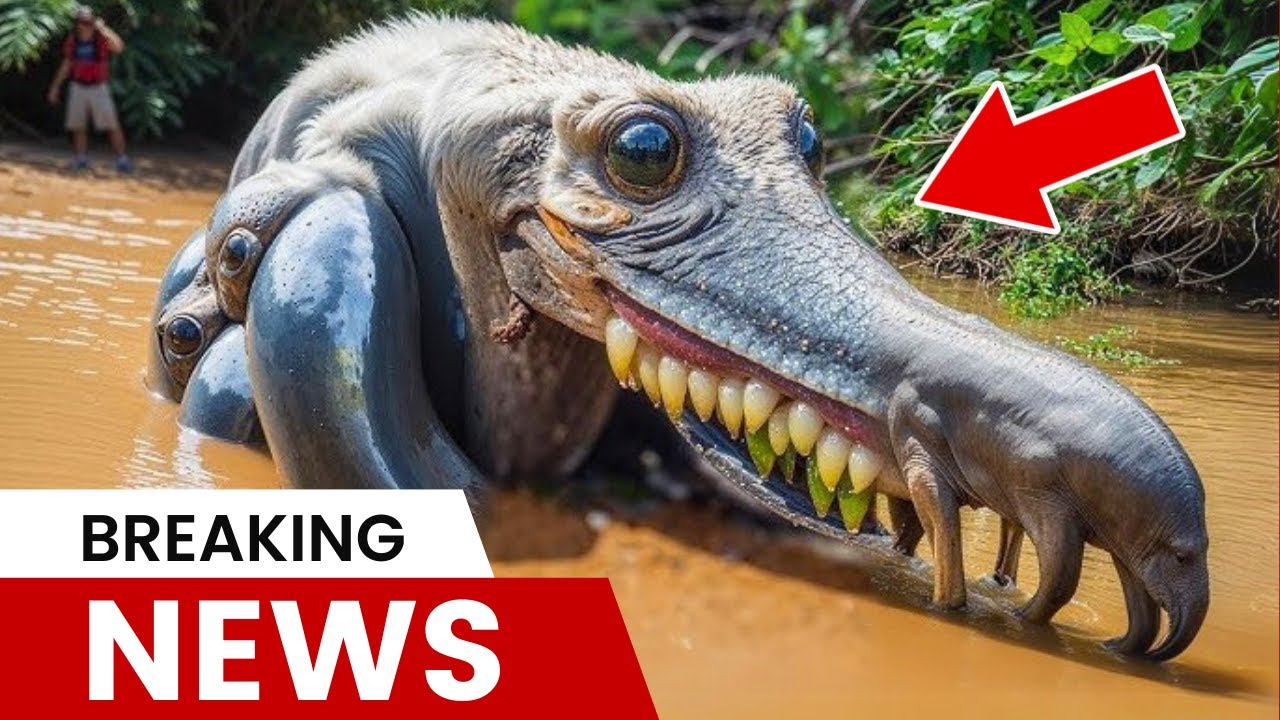
Earth remains a planet full of mysterious territories. Despite incredible strides in modern satellite mapping, spatial imaging, and artificial intelligence, vast portions of our world remain largely unmapped and unexplored. Scientists estimate that humanity has identified only roughly 15% to 20% of all living species on Earth. The remaining 80% or more dwell in extreme, inaccessible habitats—from the pitch-black abyssal trenches of the deep sea to the dense, shrouded canopies of untouched tropical rainforests and isolated subterranean caverns.
Recent international scientific expeditions have revealed a stunning array of newly discovered organisms. These bizarre creatures defy traditional biological expectations, displaying radical body structures, unbelievable survival mechanisms, and unique evolutionary pathways. The discovery of these bizarre species is not merely a curiosity for naturalists; it fundamentally challenges our understanding of life’s adaptability and provides invaluable insights into ecological resilience, biotechnology, and environmental preservation.
Unveiling the Deep Ocean: The Abyssal Frontiers
The world’s oceans cover more than 70% of the Earth’s surface, yet more than 80% of the ocean realm remains unobserved and unmapped by human eyes. Oceanographers and marine biologists equipped with advanced Remotely Operated Vehicles (ROVs) and high-pressure submersible craft have recently descended into previously unvisited marine trenches, uncovering organisms that look as though they belong in sci-fi cinema rather than terrestrial biology.
At depths exceeding 4,000 meters (13,000 feet), light cannot penetrate, temperatures hover near freezing, and hydrostatic pressure reaches levels capable of crushing standard equipment. Yet, life not only exists here—it flourishes in radically unique configurations.
Key Factors Driving Deep-Sea Speciation
A. Extreme Hydrostatic Pressure: Organisms living at extreme ocean depths have evolved flexible cellular membranes and specialized proteins that prevent cell collapse under massive pressure.
B. Complete Absence of Sunlight: Without solar energy, primary production relies on chemosynthesis rather than photosynthesis, altering the foundation of the food web.
C. Sparse Food Resources: Deep-sea organisms often feature extraordinarily slow metabolisms or specialized opportunistic feeding apparatuses to survive long intervals between meals.
D. Perpetual Darkness: Visual organs either degenerate entirely or evolve into hyper-sensitive light collectors capable of detecting faint bioluminescent flashes.
Extraordinary Marine Discoveries
1. Translucent Glass-Skinned Organisms
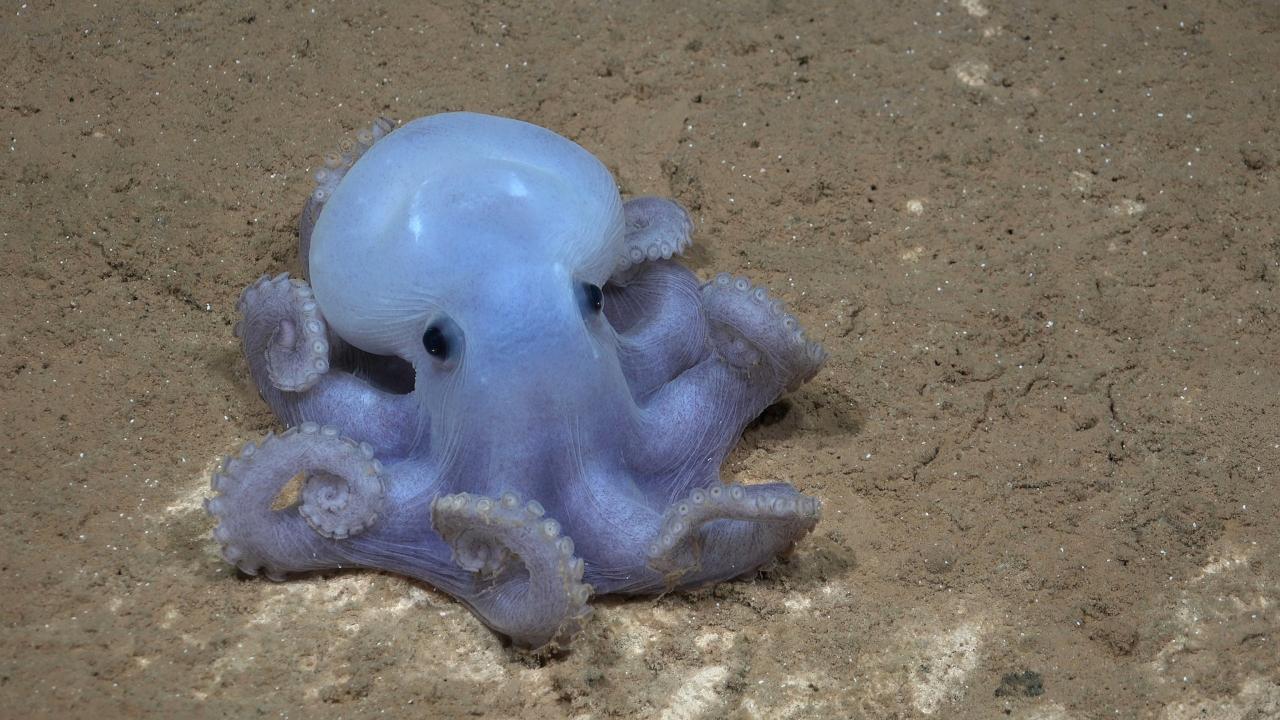
Among the most astounding catches from recent deep-water surveys off the coast of remote oceanic ridges are glass-skinned vertebrates and invertebrates. These creatures possess entirely transparent tissue, rendering their internal organs visible to observers. By minimizing pigmentation, these animals become practically invisible to predators lurking above or below in the dim, bioluminescent water column.
2. The Luminous Dragonfish Relatives
Researchers working in deep ocean trenches discovered a new genus of predatory fish equipped with intricate bioluminescent barbels hanging from their lower jaws. Unlike typical anglerfish that use light solely to attract prey, these newly identified species emit multi-frequency light patterns that serve dual purposes: luring smaller organisms closer while simultaneously sending secret visual signals to potential mates across vast, dark ocean expanses.
3. Giant Solitary Hydrozoans
Explorers sweeping the benthic zones of hydrothermal vents identified massive hydrozoans anchored to volcanic rock structures. These flower-like creatures extend delicate, feather-like tentacles up to two meters long into hydrothermal plumes, capturing nutrient-rich organic particles swept along by sub-sea currents.
The Hidden Treasures of Remote Rainforest Canopies
While deep ocean trenches represent the frontier of marine biology, dense tropical rainforests—particularly within the Amazon Basin, the Congo Basin, and the Indo-Malayan Archipelago—remain the undisputed epicenters of terrestrial biodiversity.
Explorers equipped with canopy-climbing gear, drone surveillance, and DNA barcoding tools have ventured into high-canopy microhabitats that were previously out of reach. What they found in these aerial ecosystems surprised even seasoned biologists.
Unique Adaptations Found in High-Canopy Species
A. Grip-Enhanced Appendages: Canopy dwellers frequently display specialized toe pads, prehensile tails, or modified claws designed to navigate slippery, wind-swept tree branches hundreds of feet in the air.
B. Camouflage and Cryptic Coloration: High-altitude jungle species utilize hyper-realistic skin textures and color patterns mimicking moss, lichen, or decaying bark to blend into the canopy background.
C. Gliding and Aerodynamic Structures: Several newly discovered amphibian and reptile species exhibit expanded webbed digits or lateral skin folds that enable controlled gliding between separated tree crowns.
D. Micro-Habitat Specialization: Certain newly cataloged insects and frogs spend their entire lifecycle inside bromeliad water pockets elevated 40 meters above the forest floor.
Bizarre Terrestrial Discoveries Cataloged by Expedition Teams
1. The Bark-Mimicking Horned Frog
In the dense montane forests of Southeast Asia, herpetologists identified a remarkable new species of horned frog. Featuring physical projections above its eyes that mimic withered leaves and skin with raised ridges resembling tree bark, this amphibian remains utterly invisible when resting on leaf litter. Its discovery was made possible only through nocturnal acoustic surveys that detected its distinct vocal call.

2. The Bio-Fluorescent Velvet Worm
Traversing dark forest floors in South America, entomologists stumbled upon a new species of velvet worm. When exposed to ultraviolet light, the creature displays brilliant bio-fluorescent markings along its segmented body. Researchers suspect these fluorescent patterns play a vital role in species recognition or serve as a warning indicator to nocturnal predators.
3. Glass-Winged Canopy Butterflies
In high-altitude cloud forests, researchers documented a butterfly species with completely clear, scale-free wing panels. This adaptation reduces light reflection, allowing the insect to fly through sun-dappled canopy openings without attracting the attention of insectivorous birds.
Mysterious Subterranean and Cave Ecosystems
Below the Earth’s surface lies an interconnected world of limestone caverns, lava tubes, and underground aquifers. Known as hypogean environments, these subsurface habitats foster unique evolutionary pressures due to perpetual darkness, stable temperatures, and isolated nutrient inputs.
Recent speleological expeditions into deep cave networks in Central Europe, Southeast Asia, and South America have uncovered troglobitic (cave-dwelling) organisms with physical traits that blur the line between science and imagination.
Traits Common to Subterranean Organisms
A. Complete Anophthalmia (Eyelessness): Deprived of light, subterranean creatures abandon eye development, reallocating metabolic energy toward developing heightened tactile and chemical senses.
B. Depigmentation: Lacking sunlight exposure, these organisms lose melanin and skin pigments, resulting in pale, translucent, or pinkish skin tissue.
C. Elongated Appendages: Long antennae, limbs, and sensory hairs allow cave creatures to detect minor vibrations and air currents produced by nearby prey or predators.
D. Hyper-Efficient Metabolism: Due to limited food supplies in isolated cave systems, subterranean species often possess extremely low metabolic rates and can endure extended periods without food.
Notable Subterranean Organisms Recently Identified
1. The Blind Phantom Crayfish
Explorers diving into submerged cave systems discovered a translucent, eyeless crayfish species. Measuring under three inches in length, this crustacean uses extraordinarily long, sensitive antennae to navigate dark underground waterways and catch microscopic prey.
2. The Pale Cave Salamander
Discovered deep within isolated limestone caverns, a new troglobitic salamander species spends its entire life cycle in total darkness. The amphibian exhibits stark white skin, tiny vestigial eyes buried beneath skin layers, and external feathery gills that absorb dissolved oxygen from oxygen-poor subterranean streams.
3. Fungal-Garden Beetles
Deep inside subterranean caverns, entomologists cataloged a bizarre beetle species that cultivates specialized fungi on decaying bat guano. The beetle manages these miniature subterranean fungal patches, relying on them as a sustainable, isolated food source far removed from surface ecosystems.
How Scientists Locate and Identify New Species
The process of finding, capturing, and officially describing a new species has evolved dramatically over the last few decades. Historical naturalists relied primarily on physical collections and comparative anatomy. Today, field biologists combine traditional field tracking with cutting-edge technological innovations.
Modern Tools Used in Species Discovery
A. Environmental DNA (eDNA) Sampling: Scientists collect water, soil, or air samples and isolate trace genetic material shed by organisms, allowing them to detect rare or hidden species without ever physically capturing them.
B. Remotely Operated Vehicles (ROVs): High-tech submersibles equipped with 4K cameras, robotic arms, and suction devices allow deep-sea exploration without placing human divers at risk.
C. Acoustic and Thermal Monitoring: Autonomous recording units and infrared cameras monitor remote landscapes 24/7, capturing rare vocalizations and thermal signatures of elusive animals.
D. High-Throughput Genomic Sequencing: Advanced DNA sequencing platforms permit researchers to rapidly compare genetic markers of suspect specimens against global biodiversity databases to confirm novel species status.
The Scientific Importance of Documenting New Species
Discovering bizarre new organisms is far more than an exciting story for science headlines. Every newly cataloged species adds a vital piece to the vast puzzle of biological diversity on Earth.
+-------------------------------------------------------------------------+
|                  SIGNIFICANCE OF NEW SPECIES DISCOVERIES                |
+-------------------------------------------------------------------------+
|                                                                         |
|  [ Medical Advancement ] ----> Bioactive Compounds & Drug Research      |
|                                                                         |
|  [ Ecological Stability ] ---> Understanding Food Webs & Resilience     |
|                                                                         |
|  [ Evolutionary Insights ] --> Unlocking Survival & Adaptation Mechanisms|
|                                                                         |
|  [ Conservation Action ] ----> Protecting Critical & Vulnerable Habitats|
|                                                                         |
+-------------------------------------------------------------------------+
Key Biological and Practical Benefits
A. Biomedical and Pharmaceutical Breakthroughs: Many wild plants, invertebrates, and microorganisms produce unique biochemical compounds to defend themselves or capture prey. These compounds frequently serve as the foundation for novel antibiotics, cancer treatments, and analgesics.
B. Bionic and Engineering Innovations: Evolutionary adaptations offer solutions to complex engineering challenges. By studying the structural properties of deep-sea shells, insect wings, or gecko foot pads, material scientists design stronger materials and more efficient technologies.
C. Ecosystem Function and Conservation: Understanding the presence and role of every species in an ecosystem allows conservationists to establish accurate ecological baselines and design targeted preservation strategies.
D. Unlocking Evolutionary History: Novel species often represent missing links or ancient lineages that clarify how life evolved and adapted across millions of years of changing global climates.
Threats to Undiscovered Biodiversity
Tragically, scientists face a race against time. Many ecosystems containing hundreds of unidentified species are undergoing rapid degradation due to human activities before these organisms can ever be cataloged or studied.
Major Factors Driving Habitat and Species Loss
A. Deforestation and Land Conversion: Expansive agricultural growth, logging operations, and urban development destroy crucial rainforest, wetland, and montane habitats.
B. Deep-Sea Resource Extraction: Seabed mining and destructive bottom-trawling fishing practices threaten sensitive benthic communities before they are fully explored.
C. Global Climate Change: Shifting temperatures, ocean acidification, and altered rainfall patterns disrupt delicate environmental niches, driving vulnerable species toward extinction.
D. Invasive Alien Species: Introduced predators and competitive species destabilize native food chains, pushing endemic populations into severe decline.
The Future of Scientific Expeditions
The modern era of exploration is entering an exciting new phase. Interdisciplinary teams composed of biologists, roboticists, data scientists, and local indigenous guides are joining forces to survey the planet’s remaining wilderness areas with unprecedented precision.
Through international cooperation, open-access genetic repositories, and community-led conservation programs, researchers aim to accelerate the pace of species discovery while actively safeguarding delicate habitats.
Promising Frontiers for Future Discovery
A. Deep Ocean Trenches: The Mariana, Philippine, and Puerto Rico trenches contain miles of unexplored ocean floor holding thousands of unknown organisms.
B. Cloud Forests and Tepuis: Isolated high-altitude flat-top mountains in South America and cloud forests in Papua New Guinea harbor isolated evolutionary pockets.
C. Subglacial Lakes: Subterranean lakes buried deep beneath Antarctic ice sheets may contain microbial life forms adapted to extreme isolation and extreme cold.
D. Deep Soil and Geothermal Vent Networks: The microscopic realm within deep soil layers and subterranean thermal vents contains immense, largely uncharacterized microbial diversity.
Conclusion: Preserving Earth’s Living Tapestry
The ongoing discovery of bizarre new species serves as a vivid reminder that Earth remains a living laboratory filled with secrets waiting to be uncovered. From transparent deep-sea fish navigating dark abyssal plains to glowing velvet worms creeping across tropical forest floors, these remarkable creatures highlight the astounding creativity and endurance of natural evolution.
Protecting these newly discovered organisms and their delicate habitats is essential for maintaining global ecological balance, expanding scientific knowledge, and unlocking future technological and medical breakthroughs. By valuing and safeguarding the unexplored corners of our planet, humanity ensures that the story of life on Earth continues to unfold in all its bizarre, beautiful, and breathtaking diversity.