
Table of contents
The abyss remains Earth’s final frontier, hiding secrets beneath thousands of meters of crushed water pressure and perpetual darkness. Recent marine research expeditions have yielded astonishing discoveries, proving that the deepest ocean zones are thriving hubs of specialized biological life rather than barren aquatic deserts. Modern oceanographic exploration empowered by advanced submersibles, high-resolution imaging, and environmental DNA analysis is uncovering whole communities of weird, fascinating marine fauna that challenge our understanding of biology and evolutionary adaptation.
The Untapped Wilderness of the Abyssal Zone
Covering over 70% of the Earth’s surface, the world ocean contains roughly 99% of the living space on our planet when measured by volume. Yet, scientists estimate that well over 80% of deep-sea environments remain unmapped and unobserved by human eyes. The bathypelagic and abyssopelagic layers—spanning depths between 1,000 meters and 6,000 meters—exist in complete darkness, subjected to extreme hydrostatic pressures and freezing temperatures.
+-------------------------------------------------------------------------+
|                        OCEANIC DEPTH ZONES                              |
+--------------------------+--------------------+-------------------------+
| Zone                     | Depth Range (m)    | Primary Light Level     |
+--------------------------+--------------------+-------------------------+
| Epipelagic (Sunlight)    | 0 to 200           | High Sunlight           |
| Mesopelagic (Twilight)   | 200 to 1,000       | Dim / Faint Sunlight    |
| Bathypelagic (Midnight)  | 1,000 to 4,000     | Complete Pitch Black    |
| Abyssopelagic (Abyss)    | 4,000 to 6,000     | Pitch Black             |
| Hadalpelagic (Trenches)  | 6,000 to 11,000    | Pitch Black             |
+--------------------------+--------------------+-------------------------+
Despite these hostile conditions, nature has carved out hyper-specialized ecological niches. Organisms inhabiting these depths have evolved radical biochemical mechanisms, physiological structures, and hunting strategies to flourish where sunlight never penetrates.
Major Discoveries in Deep-Sea Exploration
International collaborative surveys—such as the global Ocean Census initiatives, research voyages by the Schmidt Ocean Institute, and abyssal dives conducted across deep oceanic trenches—have recently documented hundreds of previously unknown taxa. These novel organisms reveal structural innovations that shed light on how life can exist under immense pressures.
Novel Invertebrates and Colonial Organisms
Among the most sensational finds are giant single-celled rhizarians, bioluminescent zoanthids, and complex colonial siphonophores. Siphonophores are composed of specialized genetically identical clones called zooids, acting together as a single integrated living super-organism.
| Species Category | Key Evolutionary Feature | Primary Ecological Function |
| Siphonophores | Colonial cloning via zooids | Pelagic drifting predators |
| Glass Sponge Worms | Symbiotic living in silica structures | Commensal shelter utilization |
| Carnivorous Bivalves | Specialized predatory digestive tracts | Abyssal benthic hunting |
| Ghost Sharks (Chimaeras) | Electro-receptive sensory systems | Deep-water apex scavenging |
The Glass Castle Ecosystems
Researchers exploring volcanic seamounts discovered remarkable polychaete worms residing symbiotically inside the crystalline skeletons of living glass sponges. Glass sponges construct intricate structural lattices using pure silica, creating natural shelters that serve as safe havens for delicate deep-sea invertebrates against strong currents.
Evolutionary Innovations for Survival
Surviving in the deep ocean demands biological compromises and unique anatomical adaptations that differ radically from surface-dwelling species.
                +---------------------------------+
                |   DEEP OCEAN SURVIVAL STRATEGIES |
                +---------------------------------+
                                 |
         +-----------------------+-----------------------+
         |                                               |
         v                                               v
  Physiological Adaptation                        Bioluminescence
  - Flexible cartilaginous skeletons              - Metabolic light creation
  - Piezophilic proteins for high pressure        - Communication & mate signaling
  - Lack of gas-filled swim bladders              - Counterillumination & camouflage
Pressure Resistance and Piezophilic Physiology
At depths exceeding 4,000 meters, water pressure exerts more than 400 times the atmospheric pressure experienced at sea level. Marine organisms adapt to this crushing weight by utilizing piezophiles—specialized cellular membranes and enzymes stabilized by organic osmolytes like trimethylamine N-oxide (TMAO), which prevent cell walls from collapsing under pressure.
Bioluminescence and Chemosynthetic Energy
In an ecosystem deprived of photosynthetic plant life, energy enters the food web via two primary mechanisms:
- Chemosynthesis: Bacteria derive energy from inorganic chemical compounds released by hydrothermal vents and cold seeps, converting methane and hydrogen sulfide into organic matter.
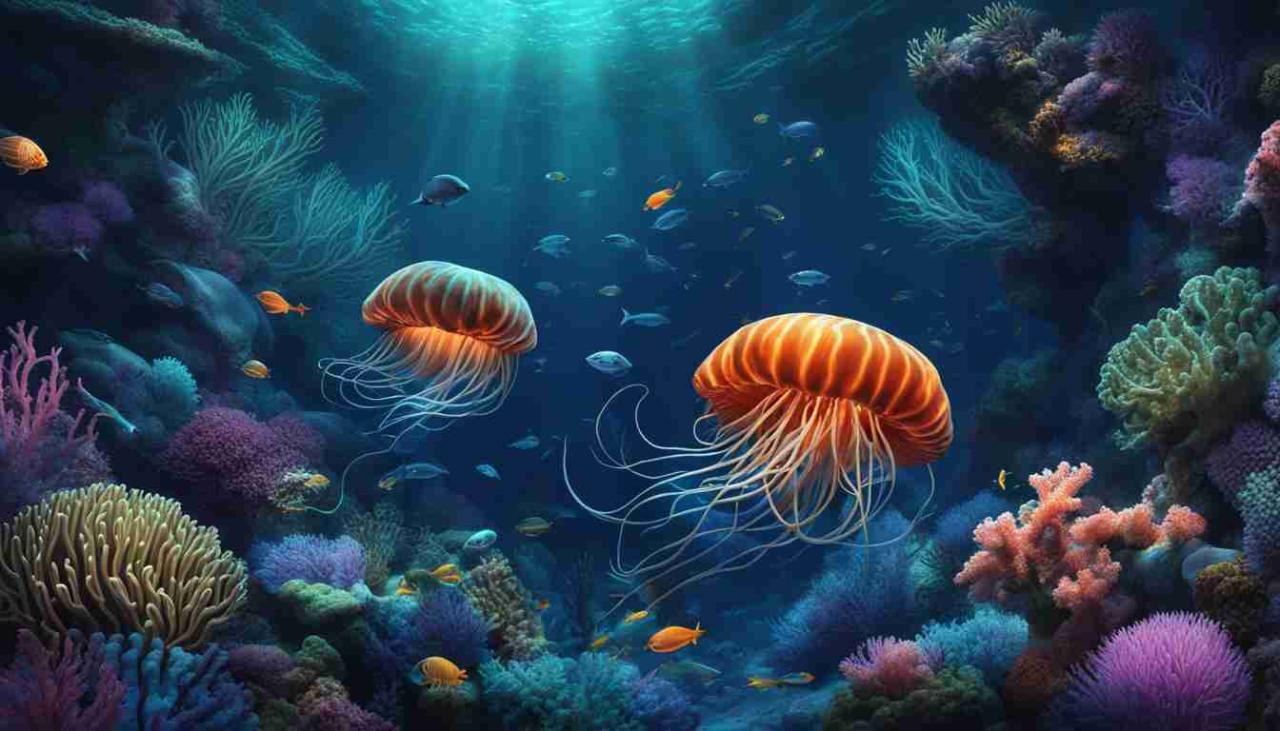
- Bioluminescence: Biochemical reactions involving the enzyme luciferase generate cold light, enabling deep-sea creatures to attract prey, evade predators through counterillumination, or communicate in complete darkness.
The Role of Subsea Hotspots and Organic Falls
Deep ocean wildlife is not evenly distributed across the seafloor. Biodiversity concentrates heavily around localized environmental hotspots that offer rich nutrient supplies.
Key Discovery Note: Active whale falls—where decaying cetacean carcasses settle on the abyssal floor—create localized chemosynthetic ecosystems that nourish specialized bone-boring worms (Osedax), scavenger crustaceans, and rare deep-sea bivalves for decades.
Hydrothermal Vents and Cold Seeps
Geothermally active vent systems spew superheated, mineral-rich mineral fluids into the freezing ocean. Cold seeps release hydrocarbon methane gas from seafloor sediments. Both environments host thriving communities of tubeworms, giant mussels, and blind crabs dependent entirely on chemosynthetic bacteria.
Seamounts and Underwater Mountain Ranges
Extensive underwater mountain chains force nutrient-rich deep ocean currents upward, causing upwellings that sustain dense forests of deep-sea corals, sponges, and rare fish species.
Technological Breakthroughs Accelerating Discovery
The current surge in marine biological identification is driven by sophisticated underwater technology and non-destructive analysis tools.
+------------------+------------------------------------------------------+
| Technology       | Primary Application in Deep Ocean Science            |
+------------------+------------------------------------------------------+
| ROVs and Submarines | Deep seafloor sample gathering and living observation |
| In-Situ 3D Scanners | Structural volumetric imaging without specimen damage|
| Environmental DNA| Genomic detection of species via ocean water samples |
| DeepPIV Systems  | High-resolution laser particle tracking underwater   |
+------------------+------------------------------------------------------+
Remote Operated Vehicles (ROVs)
Modern submersibles equipped with soft-robotic manipulators allow delicate jelly-like organisms to be collected undamaged at extreme depths. High-definition camera systems capture live specimens in their natural behavioral states before collection.
Environmental DNA (eDNA) Analysis
By analyzing microscopic genetic material shed by marine life in water samples, scientists can trace the presence of hidden benthic species without physically capturing them, significantly accelerating biodiversity cataloging.
Environmental Threats to Abyssal Ecosystems
While human activities were long thought to impact only coastal and surface ocean zones, deep ocean wildlife faces growing environmental pressures.
- Deep-Sea Mining: Extraction of polymetallic nodules threatens fragile abyssal plains, risking irreversible destruction of ancient sponge and coral habitats.
- Ocean Acidification and Warming: Shifting oceanic temperatures alter vertical carbon transport mechanisms, impacting the food availability for bathypelagic organisms.
- Microplastic Pollution: Synthetic microfibers sink to the deepest oceanic trenches, accumulating inside benthic filter feeders and deep-dwelling detritivores.
Step-by-Step Methodology for Identifying Deep Species
Cataloging a newly discovered deep-sea organism involves a precise, multi-stage scientific protocol:
1.In-Situ Observation:Undersea Phase.
ROVs record high-definition video and 3D imagery of the organism in its native habitat, documenting natural movement, coloration, and environmental context.
2.Delicate Specimen Collection:Sampling Phase.
Suction samplers or soft-robotic arms safely transfer fragile specimens into thermally insulated canisters to preserve cellular integrity during ascent.
3.On-Board Genomic Sequencing:Laboratory Phase.
Shipboard laboratories extract cellular DNA and perform genomic sequencing to compare the specimen against existing marine taxonomic databases.
4.Taxonomic Description and Publication:Verification Phase.
Leading taxonomists document physical morphology, designate a formal holotype specimen, assign scientific naming, and publish findings in peer-reviewed scientific journals.
Comprehensive Overview of Deep Ocean Animal Discoveries
A systematic breakdown reveals how biodiversity is distributed across distinct deep marine taxonomic groups:
A. Deep-Sea Cnidarians
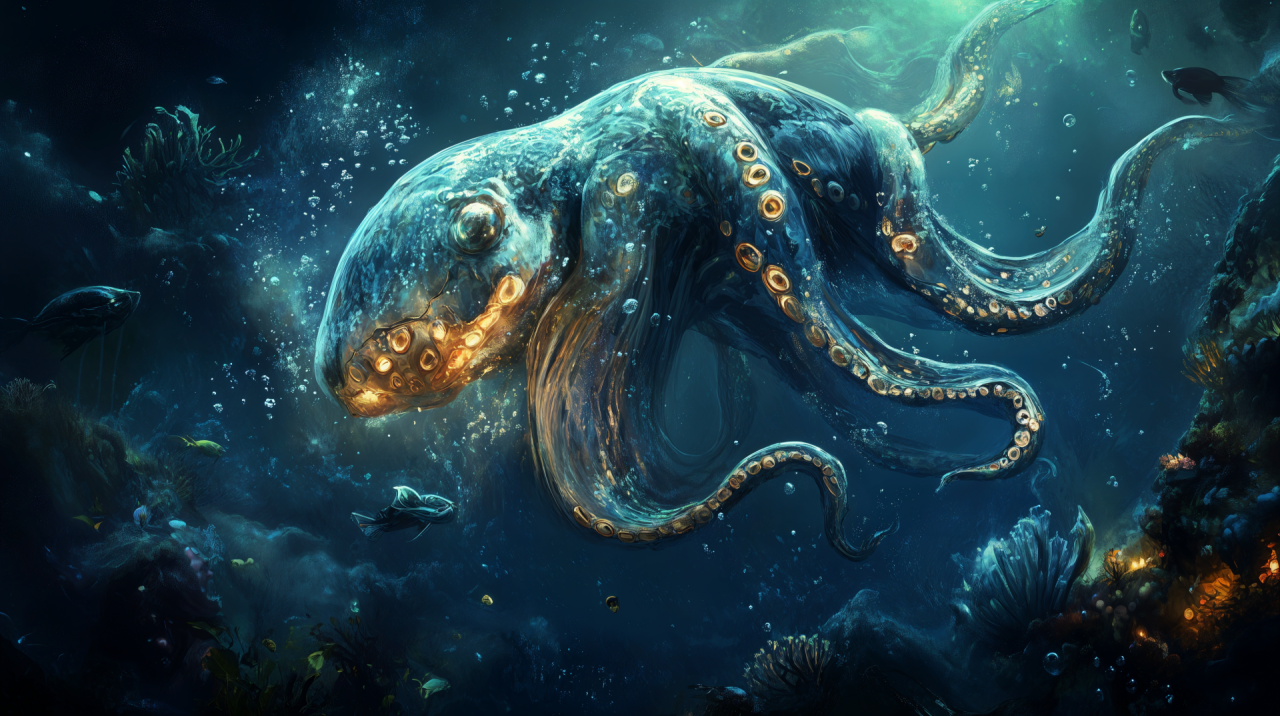
High-depth jellyfish, hydrozoans, and siphonophores display specialized bioluminescent features and delicate gelatinous structures that survive high water pressures.
B. Abyssal Crustaceans
Including specialized amphipods, squat lobsters, and deep-sea shrimp species capable of scavenging food across ocean sediments.
C. Benthic Mollusks
Unique carnivorous bivalves, venomous turrid gastropods, and rare monoplacophorans recovered from ocean trenches exceeding 6,000 meters in depth.
D. Symbiotic Polychaetes
Deep-sea bristle worms, glass sponge inhabitants, and bone-eating Osedax worms that recycle organic nutrients on the ocean floor.
E. Chondrichthyes and Marine Vertebrates
Sharks, chimaeras, and specialized deep-sea fish equipped with enhanced sensory organs to detect prey in pitch-black waters.
Summary of Recent Marine Discoveries
The ongoing exploration of Earth’s abyssal ocean continues to redefine marine biology, demonstrating that the deepest waters harbor rich, interconnected ecosystems. Protecting these uncharted habitats requires international scientific cooperation, stricter deep-sea mining regulations, and sustained investment in oceanic research technology.