
Table of contents
For millions of years, evolution has served as nature’s research and development department. Living organisms have adapted to swim through harsh ocean currents, navigate dense jungles, scale vertical cliffs, and thrive in extreme environments. Today, scientists, engineers, and computer experts are looking directly at the animal kingdom to solve the most complex challenges in artificial intelligence and robotics.
By combining biomimicry the practice of learning from and mimicking strategies found in nature—with state-of-the-art machine learning algorithms, the next generation of autonomous systems is becoming lighter, faster, smarter, and far more resilient. The fusion of biology and robotics is changing the future of automation.
A. The Foundation of Biomimicry in Robotics
Traditional robots were built for static, highly predictable environments such as assembly lines inside factories. These machines relied on rigid frames, heavy electric motors, and precise geometric code to perform repetitive tasks. However, when placed in unpredictable real-world terrains, traditional robots often fail because they lack adaptability.
Nature operates on a completely different blueprint. Animals do not require detailed pre-mapped pathways to walk through a forest or swim through choppy waters. They rely on soft physical structures, decentralized nervous systems, and sensory feedback loops that adjust automatically to changes in their surroundings.
Key Benefits of Bio-Inspired Mechanical Engineering
- Enhanced Energy Efficiency: Animals have evolved to maximize movement while minimizing energy expenditure. Emulating these mechanics reduces the battery power required by mobile robots.
- Structural Resilience: Soft tissue, flexible joints, and compliant exoskeletons protect living creatures from impacts, allowing robots to absorb shocks without breaking.
- Adaptive Locomotion: Creatures can run, climb, burrow, swim, or fly across uneven and shifting surfaces with ease.
- Decentralized Processing: Many biological organisms process information locally within their limbs or sensory organs, reducing the computational burden on a single central brain.
By studying mechanics found across insects, mammals, marine life, and birds, researchers are building physical robotic frames that naturally react to physical stress before a central processor even registers the change.
B. Avian Mechanics and the Future of Aerial Drones
Birds are master aviators capable of executing high-speed maneuvers, gliding effortlessly across vast distances, and landing smoothly on narrow branches. Traditional fixed-wing drones and quadcopters, while effective, are noisy, energy-inefficient, and limited in their flight capabilities.
Researchers are studying avian anatomy to build morphing-wing aerial vehicles. Unlike rigid aircraft wings, bird wings feature feathers that slide over one another, allowing the shape, surface area, and angle of the wing to change mid-flight.
Traditional Aircraft Design vs. Bio-Inspired Avian Drones
┌───────────────────────────────┬───────────────────────────────┐
│ Traditional Fixed-Wing Drones │ Bio-Inspired Avian Drones     │
├───────────────────────────────┼───────────────────────────────┤
│ Rigid, static wing structure  │ Flexible, morphing wings      │
│ High energy consumption       │ Energy-saving gliding dynamics│
│ Vulnerable to strong gusts    │ High turbulence adaptation    │
│ Noisy propellor systems       │ Near-silent flapping motion   │
└───────────────────────────────┴───────────────────────────────┘
Peregrine Falcon Aerodynamics and Robotic Perching
The peregrine falcon can reach diving speeds over 200 miles per hour before abruptly pulling up to swoop in on prey. By modeling the aerodynamic shape of falcon wings, engineers are crafting long-range scouting drones that alter their wing sweep dynamically depending on airspeed.
Furthermore, perching mechanisms inspired by raptor talons allow flying robots to grip onto tree branches, cables, and ledge outcrops. This perching capability allows drones to land, turn off their motors, gather data, and preserve battery life indefinitely before taking off again.
C. Terrestrial Mammals and Quadrupedal Agility
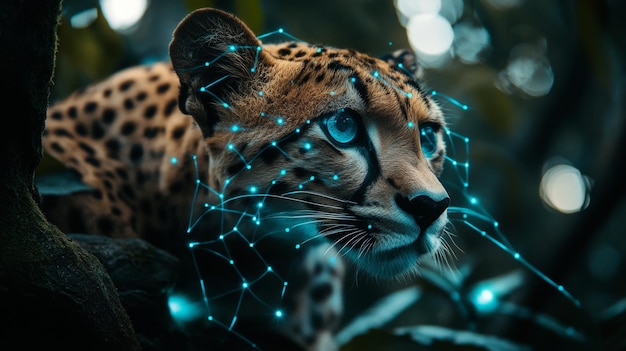
When navigating fallen debris, deep snow, loose gravel, or steep mountainsides, wheeled machines quickly become stuck. Four-legged mammals like dogs, cheetahs, and mountain goats offer the ultimate blueprint for all-terrain ground mobility.
Modern quadrupedal robots use sophisticated artificial intelligence models trained through reinforcement learning to mimic animal movement. Instead of programming every single leg movement manually, AI algorithms are exposed to simulated physics environments where they learn to balance, run, jump, and recover from stumbles just as a young animal learns to walk.
Biological Inspiration Source   --->   Robotic Application & Result
┌───────────────────────────┐         ┌───────────────────────────┐
│ Cheetah Hind Legs & Spine │  ───>   │ High-speed running robots │
├───────────────────────────┤         ├───────────────────────────┤
│ Mountain Goat Hooves      │  ───>   │ Multi-surface grip feet   │
├───────────────────────────┤         ├───────────────────────────┤
│ Canine Tendon Elasticity  │  ───>   │ Energy-storing actuators  │
└───────────────────────────┘         └───────────────────────────┘
The Impact of Tendon Dynamics and Soft Robotics
One of the largest breakthroughs in quadrupedal robotics has been the shift away from stiff, direct-drive motors toward compliant actuators that imitate biological tendons and muscle tissue. When an animal’s foot strikes the ground, its tendons stretch, store kinetic energy, and release it forward into the next step.
Integrating flexible carbon-fiber springs and hydraulic actuators into robotic limbs allows machines to run at higher speeds while reducing shock loads on interior electronics.
D. Marine Life and Deep-Sea Exploration
The deep ocean remains one of the most hostile environments on Earth due to extreme pressure, total darkness, and unpredictable currents. Traditional heavy remotely operated vehicles (ROVs) struggle with agility and consume massive amounts of power to fight underwater drag.
Marine life offers elegant solutions for underwater navigation. Fish, jellyfish, mantas, and cephalopods have evolved propulsion techniques that move water with high hydraulic efficiency.
                  ┌──────────────────────────────┐
                  │    Aquatic Biomimicry        │
                  └──────────────┬───────────────┘
                                 │
         ┌───────────────────────┴───────────────────────┐
         ▼                                               ▼
┌──────────────────────────────┐               ┌──────────────────────────────┐
│     Undulatory Propulsion    │               │    Soft Silicone Actuation   │
│ (Fish & Eel Fin Waves)       │               │ (Jellies & Cephalopods)      │
└────────┬─────────────────────┘               └────────┬─────────────────────┘
         │                                              │
         ▼                                              ▼
┌──────────────────────────────┐               ┌──────────────────────────────┐
│ Efficient long-distance      │               │ Deep-sea exploration under   │
│ cruise navigation            │               │ crushing pressure            │
└──────────────────────────────┘               └──────────────────────────────┘
Fish-Inspired Undulatory Propulsion
Robotic fish utilize flexible silicone bodies and single-jointed or multi-jointed tail fins that create undulating wave movements through the water. This fluid motion:
- Reduces acoustic noise, making underwater research non-disruptive to natural sea life.
- Eliminates exposed spinning propellers that can become entangled in kelp or sea hazards.
- Improves turning radius, allowing bots to maneuver inside narrow shipwrecks or coral reefs.
Cephalopod-Inspired Soft Robotics
Octopuses and squid possess no internal skeletal frame, allowing them to squeeze through tiny gaps and manipulate delicate objects. Using soft elastomeric materials inflated by hydraulic fluid or compressed air, roboticists are designing arm grippers capable of handling fragile underwater specimens, delicate archeological artifacts, or biological samples without damaging them.
E. Insect Systems and the Power of Swarm Intelligence
Insects are small and have limited individual processing capacity, yet collectively they build complex nests, gather food over vast ranges, and defend their colonies against predators. Computer scientists are copying insect behaviors to build decentralized artificial intelligence models known as Swarm Intelligence.
Instead of relying on a powerful centralized server to control every individual bot, swarm robotics uses simple, local rules executed by dozens, hundreds, or thousands of tiny, low-cost machines.
       [Centralized Control System]             [Decentralized Swarm Intelligence]
                    │                                         ┌───┐
            ┌───────┴───────┐                           ┌────►│Bot│◄────┐
            ▼               ▼                           │     └───┘     │
        ┌───────┐       ┌───────┐                       ▼               ▼
        │ Bot A │       │ Bot B │                     ┌───┐           ┌───┐
        └───────┘       └───────┘                     │Bot│◄─────────►│Bot│
                                                      └───┘           └───┘
  (Single Point of Failure Danger)                (Robust, Self-Healing Network)
Ant Colony and Bee Hive Optimization Algorithms
- Self-Organization: Swarms adjust their spatial formations based on nearby environmental obstacles without needing explicit top-down commands.
- Fault Tolerance: If a single robot in a thousand-unit swarm fails or gets destroyed, the rest of the swarm completes the objective seamlessly.
- Pheromone-Inspired Routing: Micro-drones can leave digital signals (simulated pheromones) in a shared network mesh, guiding trailing units toward targets like survivors in disaster zones.
- Scalability: Adding hundreds of new bots to the operational field requires zero restructuring of the underlying control software.
In agricultural fields, swarms of micro-drones modeled after honeybees are being developed to autonomously monitor soil moisture, inspect individual plant leaves for pests, and even perform targeted artificial pollination.
F. Advanced Sensory Perception Inspired by Wildlife
Physical movement is only half of the bio-inspired robotics equation; perception is the other half. Animals possess sensory organs far more specialized than standard optical cameras and radar systems.
Biological Organism  --->  Sensory Mechanism       --->  Robotic & AI Application
┌──────────────────┐      ┌──────────────────────┐      ┌──────────────────────────────┐
│ Bats & Dolphins  │  ──> │ Ultrasonic Echolocation│ ──> │ Mapping in complete darkness │
├──────────────────┤      ├──────────────────────┤      ├──────────────────────────────┤
│ Pit Vipers       │  ──> │ Infrared Thermoreception│──> │ Search and rescue heat vision│
├──────────────────┤      ├──────────────────────┤      ├──────────────────────────────┤
│ Cats & Rodents   │  ──> │ Tactile Whiskers     │  ──> │ Touch mapping in turbid zones│
├──────────────────┤      ├──────────────────────┤      ├──────────────────────────────┤
│ Insects          │  ──> │ Compound Eye Vision  │  ──> │ Wide-angle motion tracking   │
└──────────────────┘      └──────────────────────┘      └──────────────────────────────┘
Compound Eyes and Motion Detection
Insects such as dragonflies and houseflies have compound eyes made of thousands of tiny individual lens units called ommatidia. This structural design provides an ultra-wide field of view and high-speed motion perception while consuming minimal processing power.
Engineers have developed curved event-based vision sensors that mimic insect eyes. Unlike standard cameras that record every full frame 30 or 60 times a second, event-based optical sensors only process pixels that register a change in light intensity. This slashes data processing loads by up to 90%, enabling high-speed collision avoidance on tiny micro-drones.
Whiskers and Tactile Navigation
In zero-visibility environments like smoke-filled burning buildings or muddy underwater riverbeds, optical sensors fail. Seal and rodent whiskers offer an alternative. Synthetic tactile whiskers equipped with strain gauges at their base can detect microscopic air or water movements, allowing autonomous search robots to map physical obstacles purely through touch.
G. Biological Neuromorphic Computing and Neural Control
Traditional computers run on Von Neumann architectures, where data moves back and forth between a central processing unit (CPU) and memory chips. This process consumes significant electric power and creates memory bottlenecks.
The animal brain operates completely differently. Biological brains integrate processing and memory within interconnected networks of neurons, running on a fraction of the power required by a computer chip.
Traditional Computing Architecture          Neuromorphic Neural Architecture
┌──────────────────────────────────┐        ┌──────────────────────────────────┐
│  ┌─────┐   Data Bus   ┌────────┐ │        │  ┌──────┐    ┌──────┐    ┌──────┐  │
│  │ CPU │ ◄──────────► │ Memory │ │        │  │Neuron│───►│Neuron│───►│Neuron│  │
│  └─────┘              └────────┘ │        │  └──────┘    └──────┘    └──────┘  │
│ Continuous high-power consumption│        │ Event-driven ultra-low power consumption│
└──────────────────────────────────┘        └──────────────────────────────────┘
Spiking Neural Networks (SNNs)
Neuromorphic computing hardware mimics the physical neural structures of living creatures. Instead of processing continuous data streams, Spiking Neural Networks (SNNs) fire electrical pulses only when specific sensor thresholds are met.
By running bio-inspired AI algorithms on neuromorphic chips, future autonomous robots will be able to:
- Make real-time decisions in milliseconds.
- Run advanced local computer vision systems on small, lightweight batteries.
- Adapt to physical damage (such as a broken leg joint) by updating neural pathways in real time, matching the natural adaptability of living organisms.
H. Real-World Applications Across Key Industries
The combination of wildlife-inspired hardware and bio-inspired artificial intelligence is moving beyond university laboratories into commercial deployment.
                          ┌──────────────────────────┐
                          │ Real-World Applications  │
                          └────────────┬─────────────┘
                                       │
     ┌──────────────────┬──────────────┴──────────────┬──────────────────┐
     ▼                  ▼                             ▼                  ▼
┌─────────┐        ┌─────────┐                   ┌─────────┐        ┌─────────┐
│ Search  │        │ Med Tech│                   │ Enviro  │        │ Space   │
│ & Rescue│        │ & Surgery│                  │ Monitor │        │ Explor. │
└─────────┘        └─────────┘                   └─────────┘        └─────────┘
1. Search and Rescue Operations
Disaster zones filled with collapsed concrete, dust, and toxic gas are unsafe for human search teams. Snake-like continuum robots can slither through rubble gaps, while cockroach-inspired soft robots can flatten their bodies to squeeze underneath fallen walls to locate survivors.
2. Medical Devices and Minimally Invasive Surgery
Surgeons are deploying micro-scale soft robots modeled after cilia and bacteria to deliver targeted medication directly to diseased organs or navigate human blood vessels to remove clots without open-heart surgery.
3. Environmental Monitoring and Wildlife Conservation
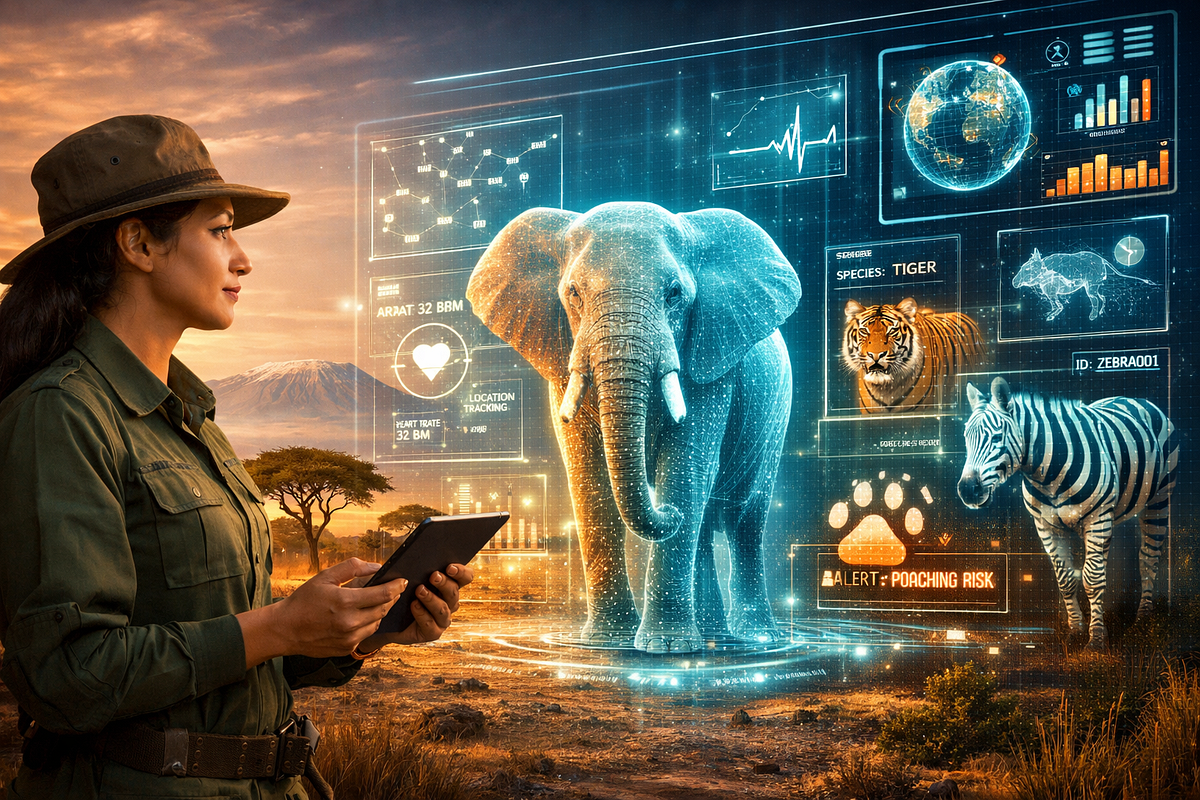
To observe wild animals without altering their behavior, researchers deploy lifelike autonomous surrogates. Robotic birds, fish, and mammals equipped with silent bio-propulsion can track endangered species, detect illegal poaching activities, and gather ocean climate metrics non-invasively.
4. Space Exploration
Off-world environments like Mars or Jupiter’s icy moon Europa present rugged landscapes. NASA and space agencies are developing multi-legged climbing robots modeled after geckos and spiders, as well as bio-inspired swimming probes designed to melt through ice caps and navigate subterranean extra-terrestrial oceans.
I. Ethics, Safety, and the Future Horizon
As biological robotics and artificial intelligence become integrated, new ethical and technical challenges arise.
       Core Future Challenges
      ┌────────────────────────────────────────────────────────┐
      │ 1. Ethical Bio-Creep & Synthetic Deception             │
      │ 2. E-Waste & Non-Biodegradable Synthetic Materials     │
      │ 3. Autonomous Decision Safety in Unstructured Zones    │
      └────────────────────────────────────────────────────────┘
Synthetic Biology vs. Cybernetic Robotics
As robots look, move, and react more like living animals, the line between machine and living organism grows blurred. Concerns regarding privacy, non-invasive surveillance, and environmental impact must be addressed as bio-inspired systems become widespread.
Engineers are focusing heavily on developing biodegradable soft robotics. By utilizing organic polymers, chitin derivatives, and plant-based cellulose to construct robot chassis, future environmental monitoring swarms can decompose naturally once their lifespans end, leaving zero electronic waste behind.
Conclusion
Nature has spent hundreds of millions of years refining living organisms to survive on Earth. By studying the physics, mechanics, and neural processing of wildlife, engineers and artificial intelligence researchers are building systems capable of navigating unpredictable environments with high efficiency.
From avian-inspired morphing drones and agile quadrupedal runners to silent robotic marine life and swarm-based agricultural micro-bots, the future of AI robotics is deeply connected to biological life. As biomimicry continues to advance, our machines will become less like rigid, metallic tools and more like flexible, resilient, and intelligent partners.