
Table of contents
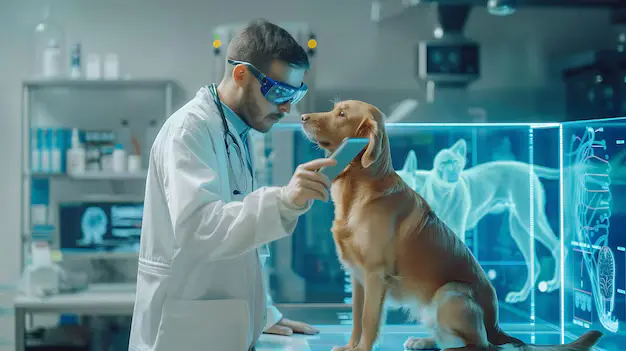
The landscape of animal healthcare is undergoing an unprecedented transformation. For decades, veterinary medicine relied almost exclusively on observational diagnostics, physical palpation, and fundamental laboratory work. While these traditional techniques formed the bedrock of clinical practice, they often struggled to detect early-stage pathologies before clinical symptoms became severe. Today, a powerful convergence of artificial intelligence, high-resolution diagnostic imaging, wearable biometric sensors, and tele-veterinary platforms is fundamentally redefining how veterinarians prevent, diagnose, and treat diseases in domestic pets, livestock, and exotic species alike.
This technological evolution is driven not only by clinical innovation but also by changing consumer expectations. Modern pet owners frequently referred to as “pet parents” view their animals as integral family members. Consequently, the demand for advanced, human-grade medical interventions has surged globally. From predictive artificial intelligence algorithms that screen bloodwork for early renal failure to smart collars that detect subtle gait changes indicative of osteoarthritis, veterinary technology (VetTech) is bridging the gap between passive treatment and proactive, individualized healthcare.
In this comprehensive analysis, we explore the primary technological drivers reshaping the veterinary industry. We will examine how digital tools are enhancing diagnostic accuracy, improving surgical outcomes, streamlining practice management, and ultimately elevating the quality and length of life for animals worldwide.
The Shift From Reactive Care to Predictive Medicine
Historically, veterinary clinical workflows operated on a reactive framework: an animal displayed visible distress or physiological symptoms, prompting the owner to seek professional intervention. However, animals—particularly prey species and felines are evolutionary experts at hiding pain and illness. By the time noticeable symptoms manifest, many conditions have already progressed to advanced stages.
Modern technology shifts this paradigm from reactive intervention to predictive, personalized wellness. By leveraging continuous data collection and big data analytics, veterinary clinicians can establish baseline health profiles unique to each individual animal.
A. Continuous Baseline Tracking: Wearable devices and smart home monitors collect continuous physiological data, establishing an accurate baseline for heart rate, respiratory patterns, temperature, and daily movement.
B. Early Biomarker Detection: Advanced laboratory diagnostic panels utilize microfluidics and specialized biomarkers to detect cellular degradation long before organ dysfunction triggers clinical symptoms.
C. Algorithmic Risk Profiling: Machine learning models compare an individual animal’s genetic profile, breed predispositions, and historical health metrics against massive cross-sectional datasets to calculate long-term health risk scores.
D. Targeted Preventive Protocols: Customized wellness plans are constructed based on real-time data, allowing veterinarians to adjust nutritional regimes, supplement therapies, and lifestyle habits proactively.
Artificial Intelligence in Diagnostic Imaging and Pathology
Among all technological breakthroughs in veterinary medicine, artificial intelligence (AI) and machine learning (ML) have achieved the most immediate and profound impact. Diagnostic imaging—encompassing digital radiography, ultrasonography, computed tomography (CT), and magnetic resonance imaging (MRI)—generates vast quantities of visual data. Interpreting these images accurately requires years of specialized radiological expertise, a resource that remains scarce in general practices.
+-------------------------------------------------------------------------------+
|                       TRADITIONAL VS. AI-ENHANCED DIAGNOSTICS                  |
+-----------------------------------+-------------------------------------------+
| Traditional Veterinary Workflow   | AI-Integrated Veterinary Workflow         |
+-----------------------------------+-------------------------------------------+
| • Relies solely on visual review   | • Instant deep-learning pattern analysis   |
| • Radiologist review takes days   | • Real-time radiograph preliminary draft  |
| • Microscopic lesions overlooked  | • Sub-pixel lesion & fracture detection   |
| • Subjective grading variations   | • Standardized quantitative scoring       |
+-----------------------------------+-------------------------------------------+
Deep learning algorithms, trained on hundreds of thousands of verified veterinary radiographs, can now evaluate X-rays within seconds. These tools assist general practitioners by highlighting subtle abnormalities that might otherwise escape the human eye, such as early pulmonary nodules, minor bone fractures, micro-calculi in the urinary tract, or subtle cardiac enlargement.
In veterinary pathology, automated digital cytometers and AI-powered microscope systems allow clinicians to perform blood smears, fecal analyses, and fine-needle aspirates in-house. Rather than sending samples to off-site laboratories and waiting days for results, practitioners receive automated cell counts and morphological classifications within minutes. This rapid turnaround time enables immediate treatment decisions during the initial consultation, greatly reducing patient stress and disease progression.
Telemedicine and Remote Patient Monitoring (RPM)
The global expansion of digital connectivity has permanently integrated telehealth solutions into the veterinary service model. Tele-triage, virtual consultations, and remote monitoring platforms offer crucial bridge support between routine clinic visits.
A. Virtual Triage Services: Digital intake platforms help pet owners determine whether an animal’s symptoms warrant an immediate emergency clinic visit or can be safely managed with scheduled appointments.
B. Post-Operative Recovery Tracking: Remote video check-ins allow surgeons to inspect healing incision sites, evaluate mobility, and assess recovery progress without subjecting stress-prone animals to travel.

C. Chronic Disease Management: Conditions such as canine diabetes mellitus, feline hyperthyroidism, and congestive heart failure require frequent monitoring; tele-health systems permit continuous monitoring of blood glucose curves, breathing rates, and medication compliance from home.
D. Behavioral Tele-Consultations: Veterinary behaviorists can observe animals in their natural home environments via live streaming, producing far more accurate behavioral assessments than observing an anxious animal inside a clinic exam room.
While remote care cannot replace hands-on physical examinations, diagnostic palpation, or emergency surgical procedures, it acts as an invaluable extension of clinical care. It lowers barriers to access, alleviates clinic overcrowding, and fosters continuous communication between veterinary staff and animal caregivers.
Smart Wearable Devices and Biometric Sensors
The rapid growth of the consumer wearable tech market has crossed over into animal healthcare. Today’s smart pet collars, harnesses, and implantable microchips are far more sophisticated than simple GPS trackers. They represent mini bio-analytical hubs capable of gathering actionable clinical data around the clock.
               [ SMART WEARABLE SENSOR HUB ]
                             │
     ┌───────────────────────┼───────────────────────┐
     ▼                       ▼                       ▼
[ Activity Monitoring ] [ Vital Signs Sensor ] [ Behavioral Analytics ]
  • Step counts           • Heart rate variability • Scratching frequency
  • Sleep architecture    • Respiratory rate       • Head shaking / Otitis
  • Caloric burn          • Surface temperature    • Water intake speed
These devices monitor specific behavioral biometrics that correlate directly with medical pathologies:
A. Gait and Mobility Analysis: Integrated tri-axial accelerometers detect micro-changes in movement symmetry, alerting owners and veterinarians to early-stage arthritis, hip dysplasia, or ligament tears before overt limping occurs.
B. Dermatological Health Tracking: Frequent scratching, licking, or head-shaking behavior is quantified automatically, providing an objective metric to judge the efficacy of allergy treatments and dermatological therapies.
C. Cardiopulmonary Assessment: Photoplethysmography (PPG) sensors measure resting heart rate and heart rate variability (HRV), offering crucial metrics for detecting systemic stress, pain levels, and early cardiovascular decline.
D. Sleep Architecture Monitoring: Disrupted sleep patterns often signal unmanaged pain, cognitive dysfunction syndrome in senior pets, or respiratory distress during rest.
By synthesizing this sensor data over weeks and months, veterinary practices gain access to objective long-term health trends rather than relying solely on subjective owner reports gathered during a 15-minute annual checkup.
Advanced Surgical Robotics and Precision Interventions
Surgical suites in modern veterinary teaching hospitals and specialty surgical centers increasingly resemble those found in human tertiary care facilities. Minimal invasive surgery (MIS), robotic assistance, and custom 3D-printed surgical implants have changed surgical standards in veterinary orthopedics, soft tissue procedures, and oncology.
+--------------------------------------------------------------------------------+
|                   ADVANCED SURGICAL INNOVATIONS IN VET MEDICINE                 |
+-------------------+------------------------------------------------------------+
| Innovation        | Clinical Application & Patient Benefit                     |
+-------------------+------------------------------------------------------------+
| Laparoscopy       | Spays, organ biopsies, and gastropexy via tiny incisions;  |
|                   | drastically reduces post-op pain and infection risk.       |
+-------------------+------------------------------------------------------------+
| 3D Printing       | Custom titanium bone implants and patient-specific surgical|
|                   | cutting guides for complex fracture repairs.               |
+-------------------+------------------------------------------------------------+
| Surgical Lasers   | High-precision tissue ablation with concurrent vessel      |
|                   | sealing, minimizing blood loss during delicate surgery.    |
+-------------------+------------------------------------------------------------+
| Fluoroscopy       | Real-time dynamic X-ray imaging for precise stent placement|
|                   | in tracheal collapse and vascular malformations.           |
+-------------------+------------------------------------------------------------+
Rigid and flexible endoscopy alongside laparoscopic equipment allows surgeons to perform complex procedures—such as spays, organ biopsies, and foreign body retrievals—through tiny incisions under 1 centimeter. This approach results in significantly lower post-operative pain, reduced surgical site infection risks, and drastically accelerated recovery times.
Furthermore, three-dimensional (3D) printing technology has revolutionized veterinary orthopedics and reconstructive surgery. Using high-resolution CT scans, surgeons can create exact 3D models of a patient’s deformed bone structures prior to surgery. This permits preoperative planning, custom contouring of surgical plates, and the creation of patient-specific titanium implants. In cases of limb-sparing oncological surgeries or severe angular limb deformities, 3D printing makes successful limb preservation possible where amputation was once the only viable option.
Regenerative Medicine and Gene-Based Therapies
Biological therapeutics represent another major frontier where technology intersects with cellular biology to treat conditions previously considered degenerative and incurable. Stem cell therapy, platelet-rich plasma (PRP), and targeted gene therapies are shifting the treatment focus from symptom management to active tissue restoration.
A. Mesenchymal Stem Cell (MSC) Therapy: Stem cells harvested from an animal’s own adipose tissue or bone marrow are isolated, cultured, and reinjected into damaged joints to reduce inflammation and stimulate cartilage repair in osteoarthritic dogs and horses.
B. Platelet-Rich Plasma (PRP) Treatments: Concentrated autologous blood plasma rich in growth factors is injected directly into injured tendons, ligaments, or non-healing wounds to accelerate natural tissue regeneration.
C. Targeted Monoclonal Antibodies: Engineered biological drugs target specific inflammatory pathways—such as nerve growth factor (NGF) for osteoarthritis pain or interleukin-31 (IL-31) for allergic dermatitis—providing targeted relief with minimal systemic side effects.
D. Genetic Screening Panels: Comprehensive DNA testing allows breeders and veterinarians to identify carrier status for hundreds of hereditary diseases, enabling responsible breeding practices and early clinical monitoring for predisposed individuals.
By harnessing the body’s natural cellular machinery, regenerative veterinary medicine minimizes the long-term reliance on non-steroidal anti-inflammatory drugs (NSAIDs) and systemic steroids, mitigating potential hepatic and renal toxicities over the animal’s lifetime.
Next-Generation Practice Management and Client Engagement Software
Behind the scenes, modern veterinary practices are tech-driven ecosystems. Legacy paper charts and desktop software are rapidly giving way to cloud-based Practice Management Information Systems (PIMS). These platforms streamline clinical workflows, integrate diagnostic laboratory equipment, and enhance client communication.
A. Automated Appointment Scheduling: Interactive web portals allow pet owners to schedule consultations, review medical histories, and request medication refills 24/7 without placing manual calls to clinic staff.
B. Seamless Diagnostic Integration: In-house analyzers, digital radiograph suites, and external reference laboratories automatically sync test results directly into the patient’s electronic health record (EHR).
C. AI-Powered Clinical Documentation: Automated voice-to-text systems convert spoken veterinary observations into structured SOAP (Subjective, Objective, Assessment, Plan) notes during physical exams, reducing administrative burdens on medical personnel.
D. Integrated Automated Reminders: Automated SMS, email, and mobile app notifications remind owners of upcoming vaccination schedules, parasite control renewals, and follow-up lab work, driving client compliance and patient health outcomes.
By automating repetitive administrative tasks, PIMS solutions enable veterinary teams to devote more time to direct patient care and empathetic client communication, directly addressing industry-wide issues of veterinary burnout and operational inefficiency.
Big Data and Livestock Health Management
While companion animal healthcare often dominates media headlines, veterinary technology plays an equally critical role in farm animal production, herd health, and global biosecurity. Precision Livestock Farming (PLF) leverages sensor networks, computer vision, and automated systems to monitor farm animal health at both individual and herd levels.
                    [ PRECISION LIVESTOCK FARMING (PLF) ]
                                      │
     ┌────────────────────────────────┼────────────────────────────────┐
     ▼                                ▼                                ▼
[ Rumen Bolus Sensors ]     [ Computer Vision Cameras ]      [ Automated Milking Systems ]
  • Internal body temp        • Gait scoring & lameness        • Real-time milk quality
  • pH balance tracking       • Feed consumption tracking      • Somatic cell detection
  • Estrus cycle detection    • Aggression identification      • Subclinical mastitis alert
In modern dairy operations, for example, internal smart rumen boluses continuously monitor internal body temperature and pH levels. Changes in these parameters can signal the onset of metabolic disorders or acute infections days before milk production drops or physical symptoms become apparent.
Similarly, computer vision cameras mounted in barn ceilings monitor livestock movement and feeding behavior. AI algorithms analyze these video feeds to detect early signs of lameness, respiratory distress, or social aggression. By catching diseases early in individual animals, producers can apply targeted treatments, reducing widespread antibiotic usage, safeguarding food safety, and enhancing overall animal welfare across large-scale livestock operations.
Ethical Considerations, Challenges, and the Human Element
Despite the undeniable benefits of technological advancement in animal healthcare, the rapid integration of high-tech tools introduces distinct challenges that the industry must navigate thoughtfully.
Key Clinical Consideration: Technology should serve as a force multiplier for clinical judgment and compassionate care never as a replacement for hands-on physical exams, medical intuition, and empathetic communication.
A. Cost Barriers and Healthcare Inequity: Advanced diagnostics, robotic surgeries, and biotherapeutics carry significant financial costs. Ensuring that state-of-the-art care remains accessible without creating severe socio-economic divides in pet healthcare remains an ongoing challenge.
B. Data Privacy and Security: The collection of extensive biometric, location, and owner data via smart wearables and cloud-based software highlights the need for robust cybersecurity measures and transparent data governance policies.
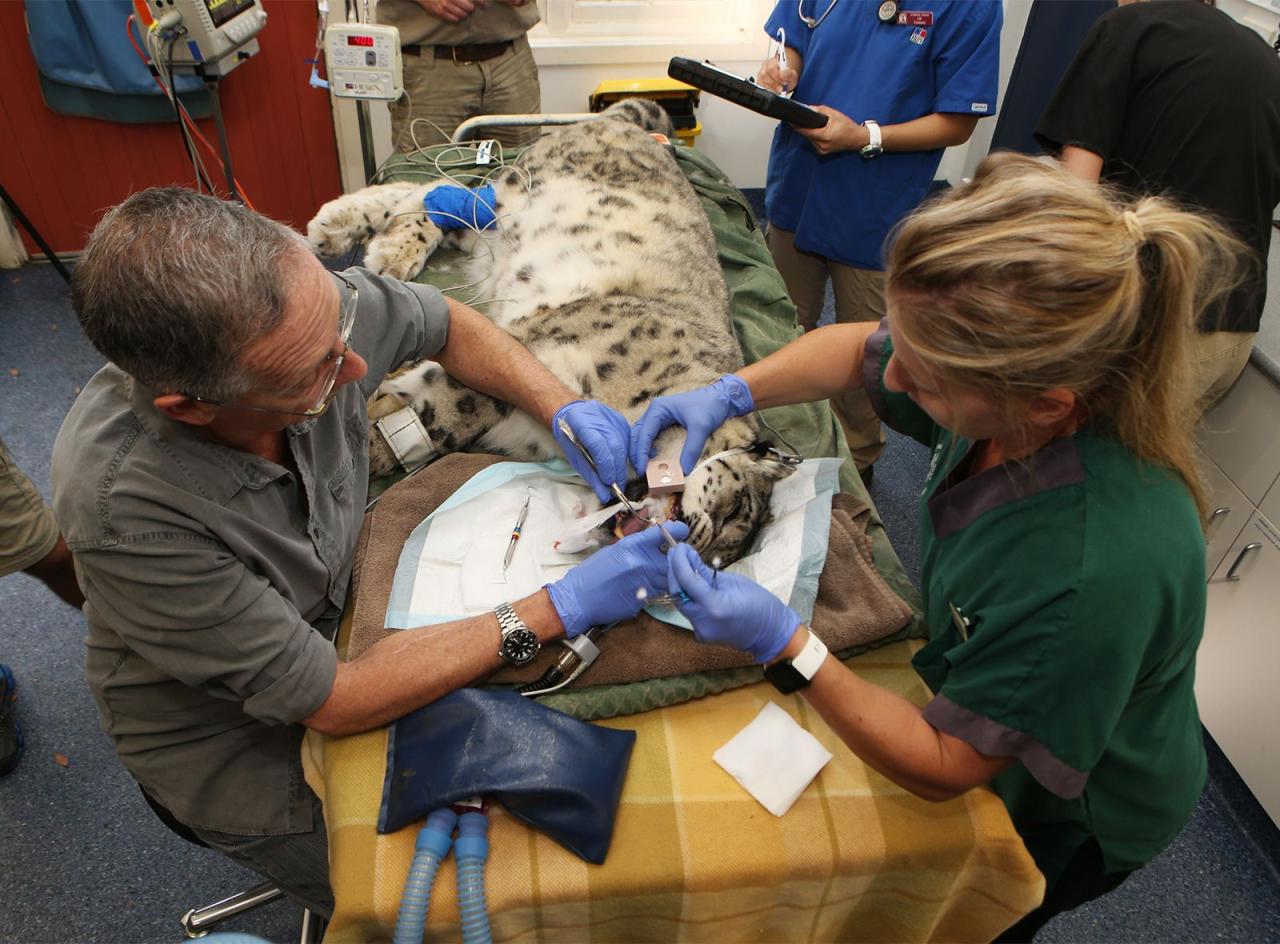
C. Over-Reliance on Automation: Clinicians must maintain strong foundational diagnostic skills, ensuring that automated AI recommendations are critically evaluated rather than blindly trusted.
D. Managing Owner Anxiety: Continuous health metrics from pet wearables can lead to hyper-vigilance among owners, resulting in unnecessary medical consultations for minor, benign physiological fluctuations.
Addressing these hurdles requires balanced collaboration between technology developers, practicing veterinarians, regulatory bodies, and pet owner advocacy groups.
The Road Ahead: What Lies on the Horizon for VetTech?
The future of veterinary healthcare promises even greater integration between technology and biological science. Over the next decade, several emerging paradigms are poised to further elevate animal care standards:
A. Nanotechnology Drug Delivery: Microscopic nano-carriers capable of delivering chemotherapeutic agents directly to tumor cells while sparing healthy surrounding tissue will revolutionize veterinary oncology.
B. Organ-on-a-Chip Research Models: Microfluidic cell culture chips mimicking organ physiology will accelerate veterinary drug discovery while significantly reducing the need for traditional animal testing models.
C. CRISPR and Advanced Gene Editing: Targeted gene therapy approaches will offer permanent cures for specific inherited genetic disorders in pedigree breeds and livestock.
D. Universal Interoperability Standards: Unified health record standards will enable seamless data sharing across primary clinics, emergency specialty centers, and research institutions globally.
As these tools mature, the focus of veterinary medicine will continue shifting toward personalized, predictive, and preventative care.
Conclusion
The revolution in veterinary technology is fundamentally altering the landscape of animal healthcare. From artificial intelligence that detects microscopic radiograph abnormalities to smart wearables that monitor vital signs in real time, technology is empowering veterinarians to deliver faster, more precise, and far less invasive care.
Crucially, these innovations do not replace the art of veterinary medicine; rather, they amplify the capabilities of dedicated veterinary professionals. By combining cutting-edge tools with hands-on clinical intuition and compassionate care, the veterinary industry is entering a new era where animals live longer, healthier, and more comfortable lives alongside the humans who care for them.